How often should you walk your dog? The answer is: It depends! Your dog's walking needs vary based on breed, age, and energy level. As a dog owner myself, I've learned that there's no one-size-fits-all answer, but understanding your pup's unique needs makes all the difference.Here's the deal: Most healthy adult dogs need at least one good walk per day, but high-energy breeds might require two or three. Puppies? They're like toddlers with endless energy - they need multiple short walks throughout the day. And our senior dogs? They still need exercise, just at a gentler pace.In this guide, we'll break down exactly how to determine your dog's perfect walking schedule. You'll learn how to read your dog's signals, adjust for weather conditions, and fit walks into even the busiest schedule. Because let's face it - we all want our furry friends happy and healthy, right?
E.g. :10 Proven Ways to Remove Ticks from Cats Fast and Safely
- 1、Understanding Your Dog's Walking Needs
- 2、Age: The Energy Equation
- 3、Building Your Dog's Fitness
- 4、Making It Work With Your Busy Life
- 5、Reading Your Dog's Exercise Needs
- 6、Creating a Balanced Routine
- 7、Troubleshooting Common Issues
- 8、The Science Behind Dog Walking
- 9、Creative Alternatives to Traditional Walks
- 10、Understanding Your Dog's Unique Needs
- 11、Making Walks More Enjoyable for You Both
- 12、The Bigger Picture of Canine Health
- 13、FAQs
Understanding Your Dog's Walking Needs
Why Breed Matters (But Isn't Everything)
Let's talk about your pup's DNA! Different breeds have wildly different energy levels - it's like comparing a marathon runner to a couch potato. Herding breeds like Collies could probably walk the length of a football field before breakfast, while your Yorkie might be perfectly happy with a quick stroll around the block.
But here's the funny thing - dogs have personalities too! I've met Basset Hounds who could out-hike most humans, and Border Collies who'd rather snuggle than sprint. Watch your dog's behavior closely - if they're chewing your shoes or pacing nervously, that's their way of saying "Hey human, I need more exercise!"
Special Considerations for Flat-Faced Friends
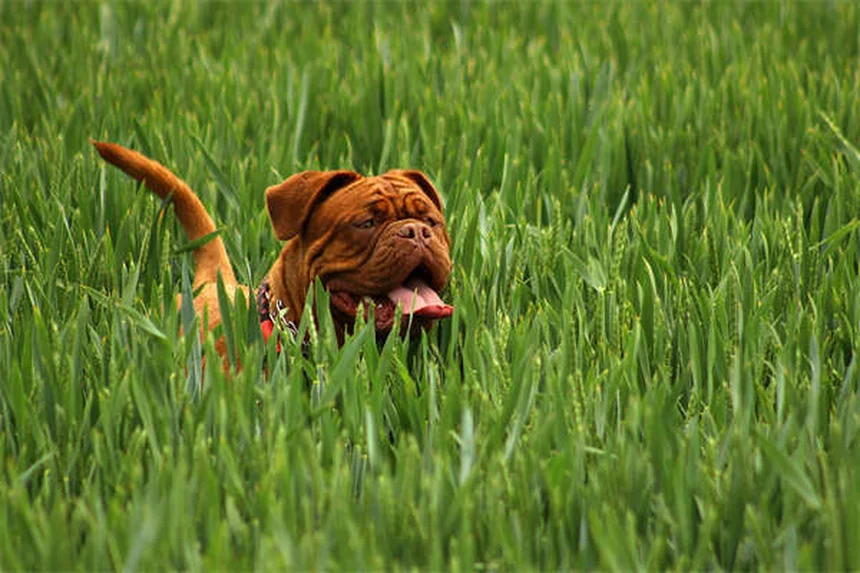
Pugs and Boxers need extra care - their cute smushed faces make breathing harder. On hot days, these guys can overheat faster than ice cream in the sun. Keep walks short and sweet, and always bring water. If you see excessive panting or bright red gums, it's time to head home immediately.
Age: The Energy Equation
 Photos provided by pixabay
Puppy Power vs. Senior Wisdom
Remember when you were a kid with endless energy? That's your puppy right now! Young dogs need multiple walks daily to burn off that crazy puppy energy. But as dogs age, their joints get stiffer - kind of like how your uncle complains about his knees after bowling.
| Age Group | Recommended Walk Frequency | Watch For |
|---|---|---|
| Puppy (under 1 year) | 3-4 short walks daily | Overexertion during growth |
| Adult (1-7 years) | 1-2 walks daily | Weight management |
| Senior (8+ years) | 1 gentle walk daily | Joint stiffness |
Reading Your Dog's Signals
Ever notice how your dog starts sniffing every blade of grass when they're tired? That's not them being curious - it's their version of saying "Let's take a break!" Other signs include lagging behind, excessive panting, or suddenly plopping down on the sidewalk.
Building Your Dog's Fitness
Start Slow, Go Far
Would you run a marathon without training? Neither should your dog! If Fido's been living the good life on the couch, start with 10-minute walks and gradually increase by 5 minutes each week. Before you know it, you'll have a four-legged athlete who can handle longer adventures.
Here's a pro tip: Mix up your routes. New smells and sights provide mental stimulation that tires dogs out faster than physical exercise alone. It's like reading a good book versus running on a treadmill - both are great, but in different ways!
 Photos provided by pixabay
Puppy Power vs. Senior Wisdom
Some dogs have health issues that limit exercise. But guess what? Swimming is fantastic low-impact exercise! Or try puzzle toys that make them work for treats. Mental exercise can tire a dog out just as effectively as physical activity - it's like doing crossword puzzles versus going to the gym.
Making It Work With Your Busy Life
Realistic Routines for Real People
Let's be honest - between work, kids, and binge-watching your favorite show, finding time for dog walks can be tough. But here's the thing: your dog doesn't care if it's a fancy hike or just playing fetch in the backyard. They just want quality time with you!
Did you know that 15 minutes of intense play can equal a 30-minute walk? Try these time-saving ideas:
- Flirt pole sessions (like a giant cat toy for dogs)
- Hide-and-seek with treats
- Stair climbing games
When to Call in Reinforcements
Some days, you just can't make it happen - and that's okay! Dog walkers aren't just for rich people. Many affordable options exist, from neighborhood teens to professional services. Think of it as hiring a personal trainer for your pup!
Reading Your Dog's Exercise Needs
 Photos provided by pixabay
Puppy Power vs. Senior Wisdom
Here's a question: Does your dog chug water then pass out for hours after walks? That's the canine equivalent of collapsing on the couch after leg day at the gym! It means you might be overdoing it. Aim for walks where your dog comes home tired but still alert enough to beg for dinner.
Seasonal Adjustments
Would you wear a winter coat in July? Neither should your dog! Adjust walk times for weather - early mornings in summer, midday in winter. Hot pavement can burn paws, while icy sidewalks can be slippery hazards. Test pavement with your hand - if it's too hot or cold for you, it's the same for your pup.
Creating a Balanced Routine
More Than Just Walks
A well-exercised dog needs both physical and mental stimulation. Try combining walks with training sessions - practice "sit" at every corner or "stay" when squirrels appear. It turns exercise into brain games that satisfy your dog's natural instincts.
Here's a fun fact: Sniffing is mentally exhausting for dogs! Letting your dog stop and smell actually provides more stimulation than power-walking past everything. It's like letting someone browse in a bookstore versus rushing them through the mall.
Quality Over Quantity
Ever notice how a 20-minute walk in the woods feels more satisfying than an hour on city streets? Dogs feel the same! Vary your routes and let your dog explore - it makes shorter walks more fulfilling. Sometimes a 15-minute adventure hike beats a 30-minute sidewalk stroll.
Troubleshooting Common Issues
When Walks Aren't Enough
Is your dog still bouncing off the walls after walks? They might need more intense exercise. Try biking with your dog (with proper training) or find a local dog park for off-leash play. Some dogs need to RUN, not just walk - it's the difference between a leisurely stroll and sprinting intervals!
Special Cases
Dogs recovering from surgery or with chronic conditions need modified exercise. Ask your vet about hydrotherapy or gentle stretching routines. Even five minutes of careful movement can maintain muscle tone without causing strain - think of it as physical therapy for pups!
Remember, every dog is unique. What works for your neighbor's Labrador might not suit your Dachshund. The key is observing your dog's responses and adjusting accordingly. After all, nobody knows your furry friend better than you do!
The Science Behind Dog Walking
How Walking Affects Your Dog's Brain
You know that happy look your dog gets during walks? That's not just excitement - it's their brain releasing dopamine and serotonin, the same "feel-good" chemicals humans experience. Regular walks can actually help reduce anxiety and destructive behaviors in dogs. Think of it as nature's antidepressant for your pup!
Here's something fascinating: Dogs process smells through a special organ called the vomeronasal organ. When they stop to sniff that fire hydrant for five minutes, they're essentially "reading the neighborhood newspaper." Letting your dog sniff during walks provides crucial mental stimulation that satisfies their natural curiosity about the world.
The Hidden Benefits of Routine
Ever notice how your dog starts getting excited at the same time every day for walks? Dogs thrive on predictability. Establishing a consistent walking schedule helps regulate their biological clock, improves digestion, and even leads to better sleep patterns. It's like how you feel better when you stick to a regular bedtime!
Creative Alternatives to Traditional Walks
Indoor Exercise Solutions
Rainy day? No problem! You can create an obstacle course using household items like broomsticks (for jumps) and chairs (for weaving). Ten minutes of indoor agility training can tire out a dog just as effectively as a 30-minute walk. Plus, it's hilarious to watch your golden retriever try to navigate your makeshift course!
Have you tried food puzzles? These aren't just toys - they're canine brain teasers that make your dog work for their kibble. The mental effort required to solve these puzzles provides excellent stimulation. I've seen dogs fall asleep immediately after finishing one, completely worn out from "thinking" so hard!
Socialization Opportunities
Why walk alone when you can make it a party? Organizing regular "pack walks" with neighbor dogs provides socialization that's just as important as physical exercise. Dogs learn proper social cues from each other, and you get to chat with fellow dog lovers. It's a win-win!
| Activity | Physical Benefit | Mental Benefit |
|---|---|---|
| Traditional Walk | Cardio exercise | Environmental stimulation |
| Food Puzzle | Minimal | High problem-solving |
| Agility Course | Full-body workout | Coordination training |
Understanding Your Dog's Unique Needs
The Personality Factor
Did you know some dogs are introverts while others are extroverts? My neighbor's Shiba Inu prefers solitary walks, while the Labrador across the street lives for dog park meetups. Tailoring walks to your dog's personality makes the experience more enjoyable for both of you. An anxious dog might prefer quiet routes, while a social butterfly thrives on busy paths.
Here's a question: Does your dog seem more interested in people-watching than walking? Some dogs are natural observers who enjoy stationary "socialization walks" where they can sit and watch the world go by. This counts as mental exercise too - it's like people-watching at a café for humans!
Seasonal Adjustments You Haven't Considered
We all know about avoiding hot pavement, but have you thought about how changing seasons affect scent trails? In autumn, the abundance of falling leaves creates new smells that can overwhelm some dogs. You might need to shorten walks during peak leaf-fall to prevent sensory overload. Similarly, spring brings a burst of new scents that can make walks more mentally taxing (in a good way)!
Making Walks More Enjoyable for You Both
Gear That Makes a Difference
Investing in the right equipment can transform your walking experience. A hands-free leash belt lets you walk while carrying coffee (genius!), and LED collar lights make evening walks safer. Comfortable harnesses prevent pulling and make walks more pleasant for both of you. I recently switched to a padded harness, and it's like going from uncomfortable dress shoes to sneakers!
Have you tried treat pouches with easy-access pockets? These let you reward good behavior instantly during walks. My dog now heels perfectly because she knows treats come when she walks nicely. It's turned our walks from tug-of-war sessions into peaceful strolls!
Turning Walks Into Training Sessions
Why just walk when you can train? Every curb is an opportunity to practice "sit," and every squirrel sighting is a chance to reinforce "leave it." Incorporating training into walks strengthens your bond while providing mental stimulation. I've taught my dog to "touch" lampposts on command - it's our silly little game that makes walks more fun!
The Bigger Picture of Canine Health
How Walking Affects Overall Wellness
Regular walks do more than burn energy - they help maintain joint health, prevent obesity, and even improve dental health (chewing sticks and grass helps clean teeth naturally). Dogs who get consistent exercise tend to have fewer health issues as they age. It's like how active humans often stay healthier longer!
Here's something vets don't always mention: Walking on varied surfaces (grass, dirt, pavement) helps naturally file down nails and strengthens paw pads. My dog used to need monthly nail trims, but now our regular walks on sidewalks keep them perfectly maintained. Talk about a time (and money) saver!
The Human Benefits You Might Not Realize
While we focus on our dogs' needs, let's not forget how walking benefits us humans too! Dog owners who walk their pets regularly tend to have lower blood pressure, increased vitamin D levels, and more social interactions. That "annoying" neighbor who always stops to pet your dog? They're actually boosting your social health! I've made more friends through dog walking than I ever did at the gym.
And here's the kicker - walking your dog forces you to unplug from screens and be present in the moment. In our hyper-connected world, these daily digital detoxes might be just what we need. My evening walks have become my favorite form of meditation - just me, my dog, and the sunset.
E.g. :How often and long does everyone walk their dogs? : r/dogs
FAQs
Q: How long should I walk my dog each day?
A: Most healthy adult dogs do great with 20-30 minute walks, but this can vary widely. High-energy breeds like Border Collies might need 60+ minutes, while smaller or less active dogs may be satisfied with shorter strolls. The key is observing your dog - if they're panting heavily or slowing down, it's time to head home. I always tell my clients: "It's better to end a walk while your dog still has energy than to push them too far." Remember, you can always do multiple short walks instead of one long one!
Q: Can I walk my dog too much?
A: Absolutely! Just like humans, dogs can overdo it. Over-exercising can lead to sore muscles, joint problems, or even heat stroke in warm weather. Watch for signs like excessive panting, limping, or your dog collapsing after walks. Puppies are especially vulnerable - their growing bones need careful exercise management. A good rule of thumb? If your dog sleeps soundly after a walk but still has energy for play later, you've hit the sweet spot!
Q: What if I don't have time for long walks every day?
A: Hey, we're all busy! The good news is quality often beats quantity when it comes to dog walks. A 15-minute sniffari (letting your dog explore smells) can be more tiring than a 30-minute power walk. Try incorporating play sessions with fetch or flirt poles, or hire a dog walker for busy days. I've found that mixing up activities keeps dogs engaged even when walk time is limited. Remember - something is always better than nothing!
Q: How do I know if my dog is getting enough exercise?
A: Your dog will tell you - you just need to understand their language! A well-exercised dog will be calm (not hyper), sleep well, and maintain a healthy weight. If your dog is destructive, pacing, or barking excessively, they might need more activity. But here's the thing: mental stimulation counts too. Puzzle toys and training sessions can supplement physical exercise beautifully. It's all about finding the right balance for your individual pup!
Q: Are walks the only way to exercise my dog?
A: Not at all! While walks are important, there are plenty of other ways to keep your dog active. Swimming is fantastic for joint health, play dates burn energy through social interaction, and nose work games provide mental exercise. I often recommend dog sports like agility or flyball for high-energy breeds. The bottom line? Get creative - your dog doesn't care how they get their exercise, as long as they're having fun with you!