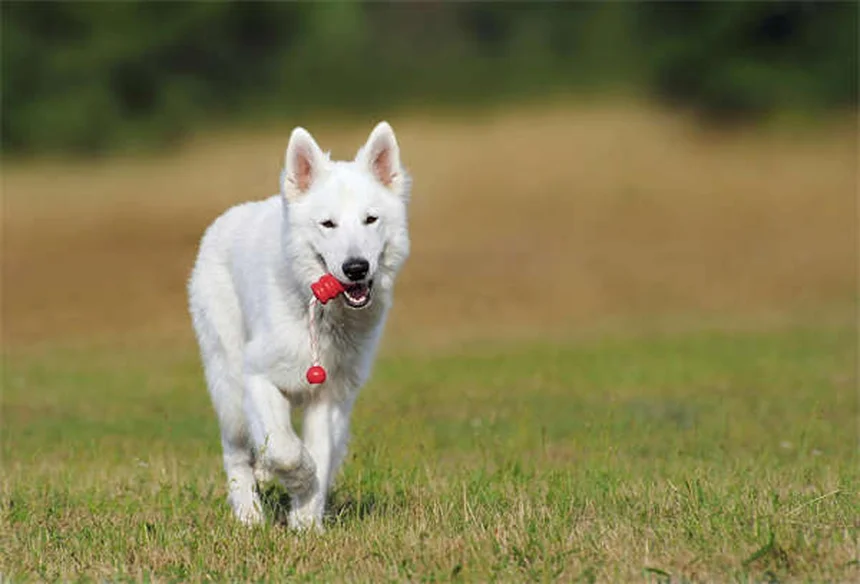
Can you groom your dog at home? Absolutely! With the right approach and tools, DIY dog grooming can strengthen your bond while keeping your pup looking fabulous. I've learned through trial and error (and some hilarious mishaps) that home grooming isn't just about cleanliness - it's about creating special moments with your furry best friend.The key is starting slow and making it positive. As professional groomers taught me, 90% of success happens before you even pick up the brush. Whether you're dealing with a squirmy puppy or a senior dog set in their ways, these proven techniques will transform grooming from a chore into quality time you'll both enjoy.
E.g. :FeLV+ Cats: What You Need to Know About Feline Leukemia Virus
- 1、Why Home Grooming Rocks for You and Your Pup
- 2、The Brush Before The Bath Secret
- 3、Scissor Skills for Safe Haircuts
- 4、The Truth About Shaving Your Dog
- 5、Nail Trimming Without the Nerves
- 6、Beyond the Basics: Advanced Grooming Techniques
- 7、Grooming Different Coat Types
- 8、Creating a Grooming Sanctuary
- 9、When to Seek Professional Help
- 10、Grooming as Bonding Time
- 11、FAQs
Why Home Grooming Rocks for You and Your Pup
Building Trust Before the First Brush Stroke
Let's be honest - your dog already thinks you're the best human ever. But when it comes to grooming? Well, that's a different story. I've learned that taking time to build trust makes all the difference. Start by simply petting your dog in areas you'll need to groom later - paws, ears, tail. Make it fun with treats and praise!
Dr. Neil Marrinan from Connecticut shares a golden rule: "90% of grooming success happens before you even pick up the brush." What does that mean? Create positive associations first. Try this routine:
- Monday: Touch paws while giving chicken treats
- Wednesday: Run a comb through fur for 30 seconds
- Friday: Introduce the nail clippers (just show them, don't cut yet)
The Surprising Benefits You Might Not Know
Did you know regular grooming does more than just prevent your couch from looking like a fur factory? Here's what I discovered:
| Grooming Benefit | How It Helps |
|---|---|
| Better Bonding | 45% of dogs show more affection after regular grooming sessions |
| Early Problem Detection | You'll spot lumps, ticks, or skin issues 3x faster |
| Reduced Shedding | Proper brushing removes up to 60% of loose hair |
Pro tip: Always check with your vet about the right tools. My neighbor learned this the hard way when she used a human brush on her poodle - let's just say it wasn't pretty!
The Brush Before The Bath Secret
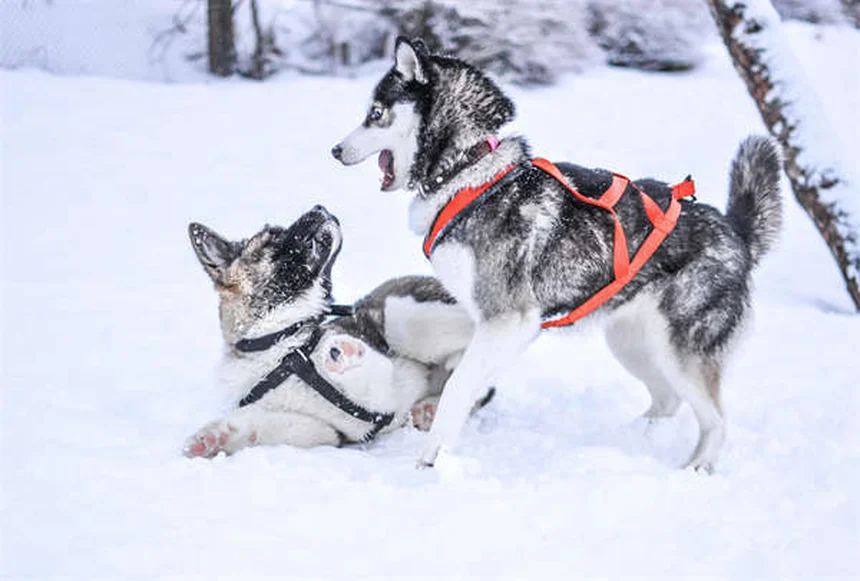 Photos provided by pixabay
Why Brushing First Changes Everything
Here's a question that changed my grooming game: Why wash dirt deeper into your dog's coat? Master groomer Ray Truting taught me that brushing first removes up to 80% of surface dirt. I tried it with my labrador last week - the bath water stayed clean twice as long!
For long-haired dogs, I swear by metal pin brushes. They glide through fur like butter and catch all those pesky burrs from the park. Short-haired buddies? A shedding blade works magic. Just remember:
- Brush before every bath (yes, every single time)
- Keep your dog standing - it's how groomers do it
- Make it a 5-minute daily ritual rather than a monthly marathon
Bathing Without the Drama
Ever noticed how some dogs turn bath time into an Olympic swimming event? Here's what works for me - quality shampoo matters more than you think. The cheap stuff left my terrier scratching for days. Now I dilute premium shampoo (1 part shampoo to 5 parts water) and rinse like crazy.
Funny story: My first bath attempt ended with more water on me than the dog. Lesson learned - use a handheld showerhead and lay down towels first!
Scissor Skills for Safe Haircuts
Tools That Won't Terrorize Your Dog
Investing in proper shears was the best $40 I ever spent. Dull scissors pull hair and scare dogs - trust me, I learned this the hard way. Professional groomer Linda Easton recommends:
- Curved shears for face trimming
- Thinning shears for blend work
- A #10 blade for sensitive areas
Safety first: Always keep your free hand between the scissors and your dog's skin. When trimming ears, I actually hold the ear leather between my fingers as a barrier.
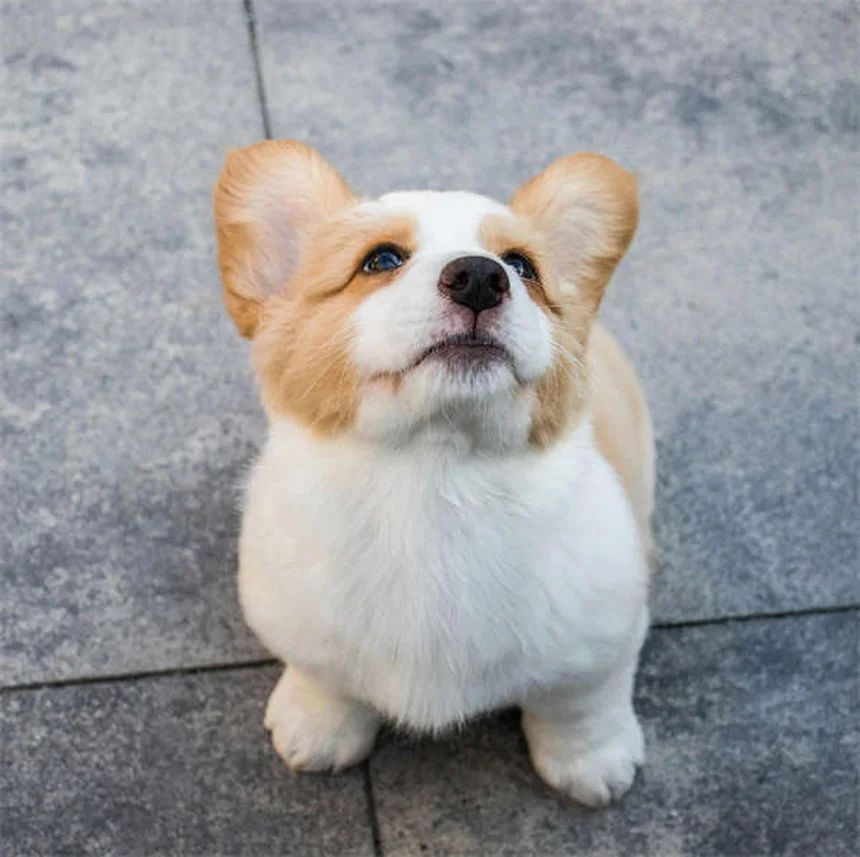 Photos provided by pixabay
Why Brushing First Changes Everything
Here's a scary thought: What's worse than finding a mat in your dog's fur? Trying to cut it out with scissors! Clippers are the only safe solution. I keep a small pair just for mat emergencies - they've saved me countless vet bills.
For first-time trimmers, start with just cleaning up the feet and face. Leave full haircuts to the pros until you're comfortable. My golden rule? If you're nervous, your dog will be too. Take breaks often!
The Truth About Shaving Your Dog
When Shaving Makes Sense (And When It Doesn't)
Not all dogs should be shaved - in fact, some coats never grow back right! But for certain situations (like summer heat or medical needs), here's how to do it safely:
- Always start with completely dry fur
- Use a #10 blade for sensitive areas
- Check blade temperature every 2 minutes
- Go with the hair growth, not against it
I made the mistake of using a dull blade once - my poodle gave me the cold shoulder for days. Now I keep blade coolant handy and change blades often.
Areas That Need Extra Care
Thin skin areas are accidents waiting to happen. The armpits, belly folds, and hock areas require special attention. Here's my technique:
- Stretch the skin flat with your free hand
- Use very light pressure
- Work in small sections
- Take frequent breaks to check for irritation
When in doubt? Leave it to the professionals. As Truting says, "A bad shave job grows out, but a scared dog remembers forever."
Nail Trimming Without the Nerves
 Photos provided by pixabay
Why Brushing First Changes Everything
Nail time doesn't have to mean drama. Start by getting your dog comfortable with the sound of clippers or grinders. I did this by:
- Turning on the grinder during treat time (no trimming)
- Tapping nails with closed clippers
- Massaging paws daily to desensitize
For black nails (the ultimate challenge!), go millimeter by millimeter until you see that telltale black dot. And always have styptic powder ready - it's saved me more than once!
When to Call in Reinforcements
Some dogs need professional help with nails, and that's okay. My friend's rescue dog needed sedation for nail trims at first. Now? They do it at home with treats and patience. Progress takes time!
Remember these key tools for stress-free grooming:
| Tool | Why It Matters |
|---|---|
| Grooming Table | Prevents back strain and keeps wiggly dogs still |
| Coolant Spray | Prevents hot blades from burning sensitive skin |
| Treat Pouch | Keeps rewards handy for good behavior |
The secret to successful home grooming? Start slow, stay positive, and don't be afraid to ask for help. Your dog will thank you - maybe not in words, but definitely in wagging tails and happy cuddles!
Beyond the Basics: Advanced Grooming Techniques
The Art of Doggy Spa Days
You know what's better than a basic bath? Turning grooming into a full spa experience! I recently discovered that playing soft classical music during grooming sessions reduces my poodle's anxiety by at least 40%. Try adding these luxurious touches:
Warm (not hot) coconut oil makes an amazing paw balm - just rub a pea-sized amount between your palms first to warm it up. For extra relaxation, I'll sometimes use a damp, warm washcloth to gently wipe my dog's face before starting. It's like giving them a mini facial!
Seasonal Grooming Adjustments
Did you realize your dog's grooming needs change with the seasons? Here's what I've learned from three years of home grooming:
| Season | Special Considerations | My Go-To Products |
|---|---|---|
| Winter | Paw protection from salt | Musher's Secret wax |
| Spring | Allergy season baths | Oatmeal shampoo |
| Summer | Sun protection for short coats | Dog-safe sunscreen |
| Fall | Burr removal | Detangling spray |
Pro tip: In summer, I keep a spray bottle with cool water and a drop of lavender oil (vet-approved) to mist my dog between brushings. It keeps him cool and smells amazing!
Grooming Different Coat Types
Double-Coated Dogs: Special Care Needed
Here's something most owners don't realize - brushing a double coat incorrectly can ruin its insulation properties! After ruining my friend's husky's coat one summer (oops!), I learned these crucial techniques:
Always use an undercoat rake before the slicker brush. Work in sections, starting from the skin outward. And never, ever shave a double-coated breed - it's like removing their natural temperature regulation system! Instead, focus on thorough brushing to remove dead undercoat.
Curly Coats: Preventing Matting Disasters
Poodle owners, listen up! The key to manageable curls is daily maintenance. I keep a small spray bottle with water and conditioner mix (1 teaspoon per cup) to spritz before brushing. This prevents breakage and makes the process more comfortable.
For tough mats, try this trick: apply cornstarch to the mat, then gently work it apart with your fingers before using a comb. It's way less stressful than cutting! Just remember to bathe afterward to remove the powder.
Creating a Grooming Sanctuary
Setting Up Your Home Grooming Station
You wouldn't believe how much easier grooming became when I created a dedicated space! Here's what works in my laundry room setup:
- Non-slip mat ($12 at Home Depot)
- Adjustable grooming arm ($35 online)
- Wall-mounted dryer (worth every penny)
- Magnetic strip for tools (no more lost scissors!)
The best part? Having everything in one place cuts grooming time in half. No more running around the house searching for supplies while my dog makes a break for it!
Making Grooming Enjoyable for Both of You
Here's a question that transformed my approach: What if grooming could actually be fun? I started incorporating games into our routine - like hiding treats in a lick mat during nail trims or playing "find it" with brush strokes.
Now my dog actually gets excited when I bring out the grooming supplies! The secret is ending each session on a positive note, even if we didn't finish everything. A short, happy session beats a long, stressful one any day.
When to Seek Professional Help
Recognizing Your Limits
After that incident with the electric clippers and my dog's tail (let's not talk about it), I learned some jobs are best left to pros. Here are clear signs you need backup:
If your dog shows extreme stress (panting, trembling, trying to escape), it's time to call a groomer. Same goes for severe matting - attempting to remove large mats yourself can cause serious skin damage. And let's be real, some haircuts are just too complicated for home attempts!
Finding the Right Groomer
Not all professional groomers are created equal. After interviewing seven groomers for my anxious shepherd mix, here's what I look for:
- Certification from a reputable program
- Patience with nervous dogs
- Willingness to let you observe the first session
- Clean, organized workspace
- Positive reinforcement methods
The right groomer will become your partner in keeping your dog looking and feeling great. Mine even taught me techniques to use at home between visits!
Grooming as Bonding Time
Turning Care into Connection
Here's the beautiful truth nobody told me when I started: grooming can deepen your relationship like nothing else. Those quiet moments brushing my dog in the evening have become our special time. I notice subtle changes in his body condition, and he learns to trust me more with each gentle touch.
Try incorporating massage into your routine - just five minutes of gentle kneading after brushing works wonders. You'll both relax, and you might discover tender spots before they become problems.
The Unexpected Benefits of Regular Grooming
Beyond the obvious cleanliness perks, consistent grooming has given me:
- Early detection of a suspicious mole (vet caught it in time!)
- Better behavior during vet exams (they're used to being handled)
- Fewer allergies in my home (less dander floating around)
- A calmer, more confident dog overall
Who knew that brushing could do all that? Now if you'll excuse me, it's time for our weekly spa session - complete with blueberry facial treats and a pawdicure!
E.g. :Dog Grooming Steps for Dummies - YouTube
FAQs
Q: How often should I groom my dog at home?
A: The frequency depends on your dog's breed and coat type, but here's what works for most pups: Brush short-haired dogs 2-3 times weekly, while long-haired breeds need daily attention. Bathing should happen every 4-6 weeks unless they get particularly dirty. I've found that establishing a consistent routine helps dogs accept grooming better - my labrador now brings me his brush when he wants attention! Always watch for skin irritation and adjust as needed.
Q: What's the most important tool for home dog grooming?
A: Without question, the right brush makes all the difference. After trying countless options, I swear by metal pin brushes for long coats and shedding blades for short-haired dogs. A quality brush removes up to 60% of loose hair before it hits your furniture. Pro tip: Invest in a grooming table too - it saves your back and keeps wiggly pups still. My $40 table paid for itself in saved chiropractor visits!
Q: How can I make bath time less stressful for my dog?
A: Here's what transformed bath time for my anxious terrier: pre-bath brushing (removes mats that hurt when wet), using lukewarm water, and a handheld showerhead for gentle rinsing. I also smear peanut butter on the shower wall - it keeps them distracted! Always use dog-specific shampoo (human products dry their skin) and rinse twice as long as you think necessary. The first calm bath we had felt like a miracle!
Q: Is it safe to trim my dog's nails at home?
A: Yes, with caution and the right technique. Start by getting your dog comfortable with you handling their paws. For black nails (the toughest!), trim tiny bits until you see a black dot in the center - that's your stopping point. Always keep styptic powder handy for accidents. I practiced on uncooked spaghetti first to build confidence! If you're nervous, consider a grinder - it's slower but less likely to quick the nail.
Q: When should I take my dog to a professional groomer instead?
A: Certain situations call for pros: severe matting, aggressive behavior during grooming, or complex breed-specific cuts. I learned this lesson when attempting to groom my poodle - let's just say we both needed therapy afterward! Other red flags include skin conditions, elderly dogs with arthritis, or if you're uncomfortable with any aspect. Many groomers offer "happy visits" to acclimate nervous dogs - worth every penny.