Why does my dog chase everything that moves? The answer is simple: prey drive is hardwired into your pup's DNA! That intense focus on squirrels, the way they pounce on toys, even their obsession with digging - it's all part of their natural hunting instincts. Here's the good news: while you can't eliminate prey drive (and wouldn't want to!), you can absolutely manage it effectively.I've worked with dozens of high-prey-drive dogs, from determined terriers to scent-obsessed hounds, and I can tell you this: understanding this instinct is the first step to creating a happy, safe life for your furry hunter. Whether your dog is chasing leaves or stalking the neighbor's cat, we'll explore practical solutions that work with their nature, not against it.In this guide, you'll discover how to recognize prey drive behaviors, prevent dangerous situations, and even turn that chasing instinct into fun activities that'll tire your pup out (finally!). Let's dive in - your more peaceful walks start here!
E.g. :Is Tylenol Safe for Dogs? The Shocking Truth Revealed
- 1、Understanding Your Dog's Prey Drive
- 2、Recognizing Prey Drive Behaviors
- 3、Smart Strategies for Managing Prey Drive
- 4、Turning Instinct Into Fun Activities
- 5、Living Happily With Your Little Hunter
- 6、Embracing Your Dog's Natural Instincts
- 7、The Science Behind Prey Drive
- 8、Prey Drive Through the Life Stages
- 9、Prey Drive vs. Aggression: Knowing the Difference
- 10、Prey Drive in Urban Environments
- 11、Prey Drive and Multi-Dog Households
- 12、Prey Drive in Senior Dogs
- 13、FAQs
Understanding Your Dog's Prey Drive
Why Does My Dog Chase Everything That Moves?
Ever wonder why your pup goes crazy when they see a squirrel? Prey drive is that natural instinct that makes dogs chase, pounce, and play with toys in ways that resemble hunting. It's not just hunting breeds - even your couch potato pug might surprise you with sudden bursts of energy when something moves quickly!
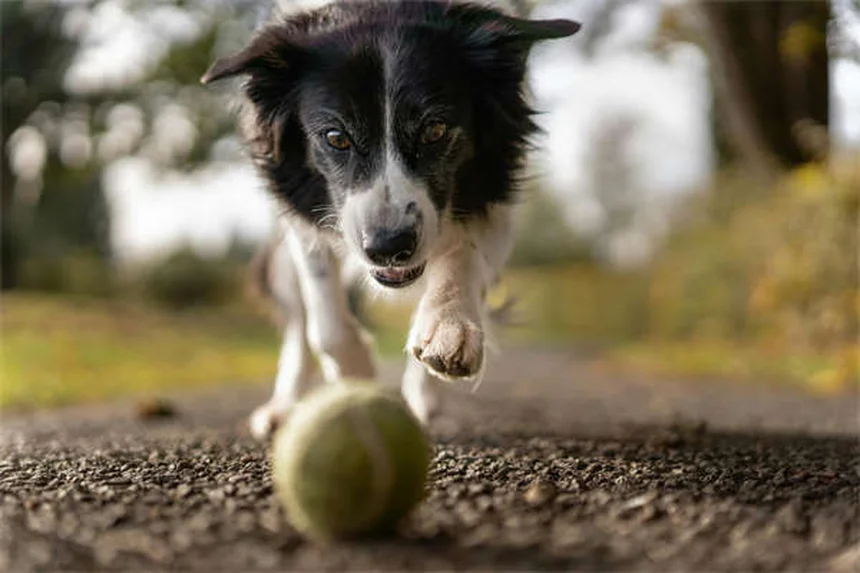
Let me break it down for you. The full hunting sequence includes: hunting (sniffing and tracking), stalking (that intense focus), chasing (the fun part!), catching (though most pets don't actually kill), and consuming (again, rare in house pets). But here's the interesting part - different breeds show different parts of this sequence. My neighbor's Border Collie does this hilarious low crouch when she sees birds, but she'd never actually hurt them - she's just practicing her herding instincts!
Which Breeds Have the Strongest Prey Drive?
While any dog can show prey drive, some breeds are practically Olympic athletes when it comes to chasing. Check out this comparison:
| Breed Type | Prey Drive Level | Typical Behaviors |
|---|---|---|
| Terriers | Extreme | Digging, shaking toys violently |
| Hounds | High | Tracking scents for hours |
| Herding Dogs | Moderate-High | Stalking and chasing movements |
| Companion Breeds | Low-Moderate | Occasional bursts of chasing |
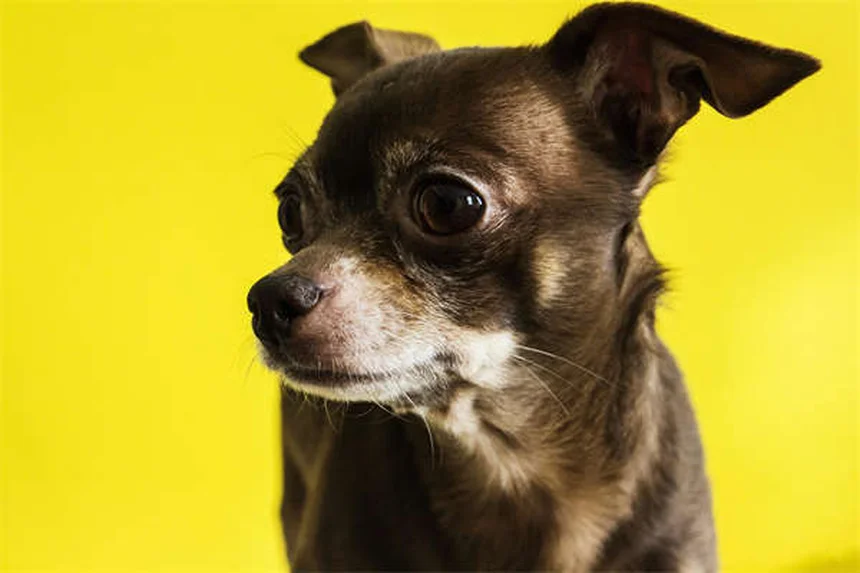
But here's a funny story - my friend's tiny Chihuahua once chased a squirrel up a tree and looked so proud of himself! Prey drive doesn't discriminate by size - it's all about that instinct kicking in.
Recognizing Prey Drive Behaviors
 Photos provided by pixabay
Is My Dog Just Playing or Following Instincts?
You know that intense look your dog gets when they see a rabbit? That's prey drive in action. Common signs include:
- Laser focus on moving objects (squirrels, bikes, even leaves!)
- That hilarious butt-in-the-air, front-down "I'm gonna get you" pose
- Digging like they're searching for buried treasure (actually looking for rodents)
Here's a personal example: My Labrador once spent an entire afternoon staring at a gopher hole, convinced his big break was coming any minute. The dedication was impressive, if not particularly productive!
When Should I Be Concerned?
Did you know that prey drive can actually be dangerous? Not just for squirrels, but for your dog too. I once saw a dog chase a rabbit across a busy street - scary stuff!
Watch out for these red flags:
- Your dog ignores commands when focused on prey
- They become aggressive around small pets
- The behavior interrupts normal activities like walks
Remember, prey drive itself isn't bad - it's natural dog behavior. The challenge is managing it safely.
Smart Strategies for Managing Prey Drive
Creating Safe Spaces for Your Hunter
First rule of prey drive club: secure your yard. And I don't mean those invisible fences - a determined terrier will run right through the shock to chase a squirrel (trust me, I've seen it happen).
Here's what works:
- Solid wood fences (no seeing temptations)
- Supervised outdoor time
- Creating a "dig zone" for terriers
Pro tip: My cousin solved her Beagle's escape attempts by burying chicken wire under the fence line. No more digging out!
 Photos provided by pixabay
Is My Dog Just Playing or Following Instincts?
Walking a dog with high prey drive? Been there! Here's what I've learned:
- Use a no-escape harness (those Houdini dogs are tricky!)
- Choose quiet routes away from wildlife
- Bring high-value treats for distraction
Ever tried the "emergency recall" technique? It's a special command (like "BANANA!") that means "drop everything and come now." Train it with amazing rewards, and only use it for real emergencies. It saved my dog from chasing a deer last fall!
Turning Instinct Into Fun Activities
Channeling the Chase Instinct Positively
Here's a secret: prey drive can be your training ally! Instead of fighting nature, work with it through:
- Flirt pole games (like giant cat toys for dogs)
- Scent work (hide treats around the house)
- Fetch variations (try different retrieval toys)
My personal favorite? The "find it" game where I hide a toy and my dog searches by scent. It tires him out mentally and physically - win/win!
Sports for the Driven Dog
Did you know there are actual sports designed for prey-driven dogs? Check these out:
- Lure coursing: Dogs chase a mechanical lure
- Barn hunt: Rats safely hidden in tubes for dogs to find
- Earthdog: Terriers navigate tunnels to find quarry
I took my Jack Russell to an Earthdog event last month - you should have seen her joy! She came home exhausted and happy, with no actual rodents harmed.
Living Happily With Your Little Hunter
 Photos provided by pixabay
Is My Dog Just Playing or Following Instincts?
Thinking of adding a cat to your prey-driven dog's home? Go slow! Here's how we did it:
- Start with scent swapping (exchange blankets)
- Use baby gates for visual introductions
- Always supervise interactions
It took three months, but now my Greyhound and cat nap together (though he still chases squirrels outside - old habits die hard!).
Training Tips That Actually Work
Want to know the most effective prey drive management technique? Consistency! Daily five-minute training sessions work better than occasional long ones.
Try these:
- "Watch me" command to break focus
- Distraction with favorite toys
- Reward calm behavior around triggers
Remember that time I mentioned earlier about my dog and the deer? That "BANANA!" command worked because we'd practiced it weekly for months. Training pays off!
Embracing Your Dog's Natural Instincts
Why Fighting Nature Doesn't Work
Here's something important: you'll never eliminate prey drive completely - and you shouldn't try! It's like telling a teenager not to text - totally unrealistic.
Instead, focus on:
- Providing safe outlets
- Managing environments
- Celebrating your dog's natural abilities
My neighbor made the mistake of trying to suppress his terrier's digging instinct completely. The dog just found more creative (and destructive) outlets. Once they built a sandbox digging area? Problem solved!
Creating a Balanced Life for Your Dog
The key is balance. Yes, manage the dangerous impulses, but also celebrate what makes your dog unique. That intense focus? Channel it into search games. The endless energy? Try agility training.
At the end of the day, prey drive is part of what makes dogs so fascinating to live with. With patience and creativity, you can help your pup enjoy their natural instincts safely. Now if you'll excuse me, I need to go play flirt pole with my terrier - it's his favorite part of the day!
The Science Behind Prey Drive
What's Actually Happening in Your Dog's Brain?
Ever wonder why your dog's eyes seem to glaze over when they spot a squirrel? That's the predatory motor sequence kicking in - a hardwired neurological pathway that's been developing for thousands of years. It's not just about chasing; it's a complex chain reaction in their brain that releases dopamine (the feel-good chemical) when they engage in hunting behaviors.
Here's something fascinating I learned from a dog behaviorist: The sequence activates different parts of the brain depending on the breed. Sighthounds like Greyhounds get visual triggers, while scent hounds like Beagles respond to smells. That's why my Basset Hound can ignore a rabbit running right past him but goes nuts over a three-day-old scent trail!
How Domestication Changed Prey Drive
You might think domesticated dogs would have lost their hunting instincts, but nope! Selective breeding actually enhanced certain aspects of prey drive in different breeds. Check out how these common breeds were shaped by human needs:
| Breed | Original Purpose | Modern Prey Drive Expression |
|---|---|---|
| Border Collie | Herding sheep | Stalking/chasing without biting |
| Jack Russell Terrier | Vermin control | Digging and shaking toys violently |
| Labrador Retriever | Retrieving waterfowl | Soft-mouthed carrying of objects |
Isn't it wild how we've essentially created specialized hunting partners without even realizing it? My Lab still does this adorable "gentle carry" with his toys that traces back to his ancestors carefully bringing back ducks without damaging them.
Prey Drive Through the Life Stages
Puppyhood: When the Instincts First Appear
Remember when your puppy first discovered their tail? That's prey drive in its earliest form! Puppies typically show hunting behaviors as young as 4-6 weeks old. The pouncing, chasing, and biting during play are actually practice for the real deal.
Here's a funny story from when my terrier was a pup: She'd "hunt" dust bunnies under the couch with such intensity you'd think they were prize-winning rabbits. The best part? She'd proudly present them to me like trophies. Those early experiences are crucial for developing confidence and coordination.
The Teenage Years: Prey Drive on Steroids
If you think human teenagers are challenging, try living with an adolescent dog discovering their prey drive! Between 6-18 months, hormones amplify those natural instincts. Suddenly, that sweet puppy becomes a determined hunter who forgets all their training when prey is around.
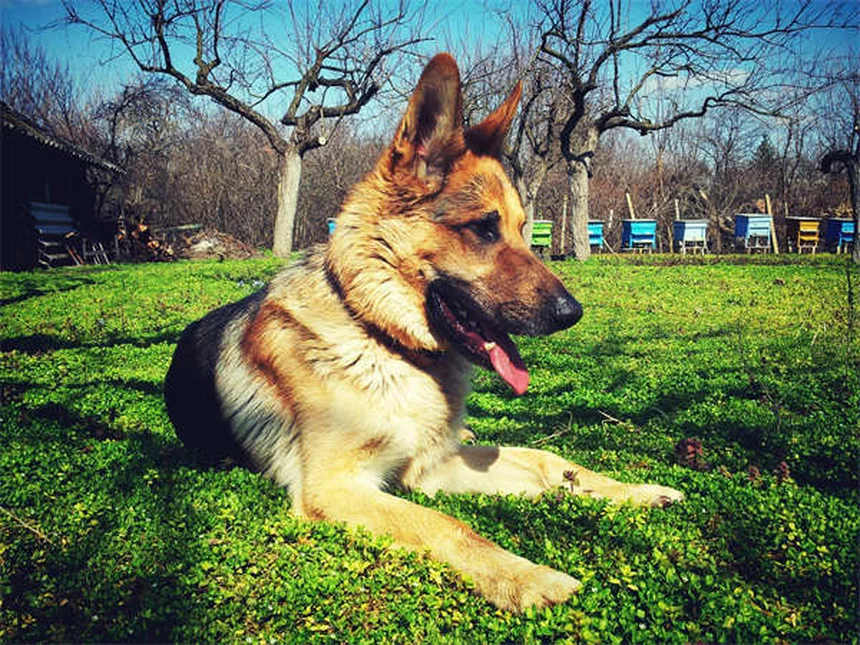
I'll never forget when my teenage German Shepherd discovered squirrels. He went from zero to sixty in half a second, nearly pulling my arm out of its socket! This is when management becomes crucial - keeping them leashed, reinforcing recall, and providing appropriate outlets.
Prey Drive vs. Aggression: Knowing the Difference
Reading Your Dog's Body Language
How can you tell if your dog is in prey mode versus being aggressive? The body language tells completely different stories. During prey drive, you'll see:
- Loose, bouncy movements (like play)
- Tail wagging at medium height
- Ears perked forward with excited expression
Aggression looks totally different - stiff body, high tail, direct stare. Here's a pro tip: If your dog makes noise (barking, growling), it's likely frustration, not true prey drive. My neighbor's dog barks his head off at squirrels but would probably run away if one actually approached him!
When Prey Drive Becomes a Problem
Can prey drive ever cross the line into dangerous behavior? Absolutely. While most dogs will chase but not harm, some develop problematic patterns. Watch for:
- Obsessive focus that interrupts normal life
- Redirected aggression (biting the leash when frustrated)
- Self-injury from excessive digging or fence-running
I once worked with a terrier who dug until his paws bled - that's when we knew we needed professional help. The vet behaviorist created a customized plan combining medication with environmental changes and training.
Prey Drive in Urban Environments
The Concrete Jungle Challenge
Living in the city with a high-prey-drive dog? Been there! Urban environments present unique challenges with all the squirrels, pigeons, and skateboarders triggering your dog's instincts. Here's what I've learned from city living with my terrier:
- Early morning walks are golden - fewer triggers
- Play "find the treat" games on sidewalks to redirect focus
- Use buildings as visual barriers when you spot triggers
My favorite trick? Teaching "watch me" using city landmarks. Every time we pass a certain fire hydrant, my dog looks to me for a treat. Now he automatically checks in at all fire hydrants - turning potential trigger points into positive experiences!
The Suburban Sweet Spot
Suburbs can be the perfect middle ground for prey-driven dogs. You get enough wildlife to satisfy their instincts but enough control to manage safety. Here's how we've set up our suburban yard:
- A 6-foot privacy fence (no visual triggers)
- Designated digging pit filled with sand
- Rotating selection of interactive toys
The best investment? A flirt pole - it's like a giant cat toy for dogs. Ten minutes of chasing that tires my terrier out more than an hour-long walk. Just be sure to teach a solid "drop it" first unless you want to play tug-of-war forever!
Prey Drive and Multi-Dog Households
When Pack Instincts Kick In
Ever seen dogs team up to chase something? That's cooperative hunting behavior, and it's incredible to watch. In my two-dog household, the terrier spots prey while the retriever chases it down. They've got this unspoken teamwork that's both impressive and slightly terrifying!
But here's the catch: Group dynamics can amplify prey drive. What one dog might ignore, the pack will chase. We manage this by:
- Walking dogs separately when prey is active
- Training solid recalls individually first
- Using visual barriers in the yard
Introducing New Dogs to the Mix
Thinking of adding another dog to your prey-driven pack? Take it slow! We introduced our terrier to a new housemate over several weeks:
Week 1: Scent swapping with blankets
Week 2: Parallel walks on neutral territory
Week 3: Supervised play sessions
Week 4: Full integration with watchful eyes
The key moment? When they both spotted a squirrel and looked at each other like "Teamwork?" That's when we knew we had to double down on training!
Prey Drive in Senior Dogs
When Age Meets Instinct
You'd think older dogs would mellow out, but prey drive often persists well into the golden years. My 12-year-old terrier might nap more, but she'll still bolt after a squirrel like she's a puppy! The difference is recovery time - she needs longer naps afterward.
We've adapted by:
- Shorter but more frequent play sessions
- Softer toys for aging teeth
- Ramps instead of jumps
The funniest part? She's developed this "strategic hunting" approach where she waits by the bird feeder instead of chasing. Smart girl - let dinner come to you!
Health Considerations
Can prey drive mask health issues? You bet. Dogs will often push through pain to chase, so watch for subtle signs:
- Hesitation before jumping
- Less endurance during play
- Change in gait after intense activity
Our vet taught us to do monthly "prey drive check-ups" - basically observing how our dog moves during her favorite games. It helped us catch early arthritis that she was hiding like a champ!
E.g. :How to control an insane prey drive : r/Dogtraining
FAQs
Q: Can you train prey drive out of a dog?
A: Here's the truth: you can't train prey drive out of a dog completely - and you shouldn't try! Prey drive is as natural to dogs as barking or wagging their tails. What you can do is manage it effectively. Through my years working with dogs, I've found that the most successful approach involves redirecting that energy into appropriate outlets. For example, teaching a solid "leave it" command, using high-value treats during walks when distractions appear, and providing plenty of structured playtime with flirt poles or scent games. Remember, a dog expressing prey drive isn't being "bad" - they're just being a dog!
Q: What dog breeds have the strongest prey drive?
A: While any dog can show prey drive behaviors, some breeds are practically Olympic-level chasers! Based on my experience, the top contenders include:
1. Terriers (Jack Russells, Rat Terriers) - bred to hunt rodents, they'll dig and shake toys violently
2. Sighthounds (Greyhounds, Whippets) - can spot movement a mile away and love the chase
3. Herding breeds (Border Collies, Australian Shepherds) - that intense stare is actually modified prey drive
But here's a funny story - I once met a Pug who was obsessed with chasing laser pointers! Prey drive doesn't discriminate by size.
Q: Is prey drive dangerous for small pets in the household?
A: This is a question I hear often from pet parents, and the answer requires careful consideration. Prey drive can potentially be dangerous for small pets like rabbits, cats, or guinea pigs - but with proper management, many households successfully keep predator and prey species together. The key is gradual, supervised introductions and never leaving them alone together. I helped one client introduce their rescue Greyhound to a cat, and after months of training, they now coexist peacefully (though the dog still chases squirrels outside!). Always err on the side of caution - your small pet's safety comes first.
Q: How can I stop my dog from chasing cars and bikes?
A: As someone who's rehabilitated several car-chasing dogs, I can tell you this behavior requires immediate attention. First, invest in escape-proof walking gear (I recommend double-clip harnesses). Second, practice the "watch me" command at home with high-value treats, then gradually introduce distractions. Most importantly, avoid situations where your dog can rehearse the behavior - that means crossing the street when you see a bike coming. One of my client's dogs went from lunging at every passing car to calmly sitting at curbs within six months of consistent training. It takes work, but it's absolutely possible!
Q: What are good activities for dogs with high prey drive?
A: Channeling that energy into positive activities is my favorite part of working with high-drive dogs! Here are five proven activities that satisfy their instincts safely:
1. Flirt pole play - like a giant cat toy that lets them chase and "catch"
2. Scent work - hide treats around your house or yard for them to find
3. Lure coursing - organized sport where dogs chase a mechanical lure
4. Barn hunt - rats safely contained in tubes for dogs to locate
5. Interactive fetch - use toys that mimic prey movement
I've seen these activities transform frustrated, understimulated dogs into happy, tired companions. Remember - a tired dog is a good dog!