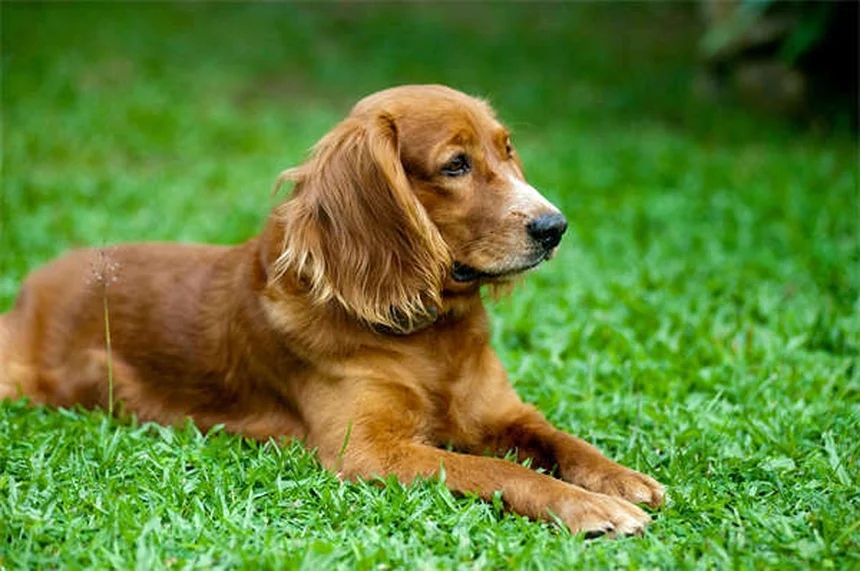
Can dogs get salmonella? The answer is yes, but here's the catch - while salmonella infection (salmonellosis) is uncommon in healthy dogs, it can become serious quickly if your pup's immune system is compromised. We've seen too many cases where pet owners didn't recognize the early signs until their dog became severely ill. The truth is, even if your dog seems fine after eating raw chicken or those tempting pig ear treats, they could still be carrying salmonella bacteria that can make you sick. That's why understanding salmonella in dogs isn't just about protecting your furry friend - it's about keeping your whole family safe from this zoonotic disease.
E.g. :Pepcid for Pets: 5 Must-Know Facts About Famotidine
- 1、What Exactly Is Salmonella in Dogs?
- 2、Spotting Salmonella Symptoms in Your Pup
- 3、How Dogs Catch Salmonella
- 4、Diagnosing Salmonella: What to Expect at the Vet
- 5、Treating Salmonella in Dogs
- 6、Prevention: Your Best Defense
- 7、Your Burning Questions Answered
- 8、Beyond the Basics: More You Should Know About Salmonella
- 9、The Human Connection
- 10、Alternative Prevention Methods
- 11、When to Call the Vet Immediately
- 12、Myth Busting Common Misconceptions
- 13、Long-Term Effects You Might Not Expect
- 14、FAQs
What Exactly Is Salmonella in Dogs?
The Bacteria Behind the Scenes
Picture this: you're enjoying a backyard barbecue when suddenly your golden retriever snags a piece of raw chicken off the table. That's salmonella's favorite party trick! Salmonella is that uninvited guest - a type of bacteria that loves crashing the gastrointestinal tract. While it's famous for causing food poisoning in humans, our canine companions typically handle it better than we do.
Here's the fascinating part: most salmonella strains are picky about their hosts. The strain that makes cows sick usually won't bother your dog, and vice versa. But don't let that fool you - even when dogs don't show symptoms, they can still spread these bacteria through their poop or slobbery kisses. That's why we call it a zoonotic disease - it can jump between species.
When Should You Worry?
Ever wonder why some dogs get sick while others don't? It's all about the immune system. Puppies, senior dogs, or pups with weakened immunity are like open doors for salmonella. The risk skyrockets when dogs eat raw or undercooked meats - it's like rolling out the red carpet for these bacteria!
Here's a quick comparison of how salmonella affects different animals:
| Animal | Susceptibility | Common Symptoms |
|---|---|---|
| Dogs | Low (unless immune compromised) | Often none, sometimes diarrhea |
| Humans | High | Severe diarrhea, fever, cramps |
| Cows | Moderate | Diarrhea, dehydration |
Spotting Salmonella Symptoms in Your Pup
 Photos provided by pixabay
The Telltale Signs
Imagine your dog's digestive system as a plumbing system - salmonella is like pouring concrete down the pipes! The most obvious red flag is sudden, watery diarrhea that might contain blood. Your normally energetic pup might turn into a couch potato, refusing food and running a fever.
But here's the kicker - these symptoms could mean many things. Is it salmonella or just that sock your dog swallowed yesterday? That's why we look at the whole picture: diet history, recent travels, or any stress that might have weakened their immune system.
The Rare But Serious Stuff
Did you know salmonella can sometimes pull a surprise attack? In rare cases, it can travel to the lungs causing pneumonia, or mess with a pregnant dog's reproductive system. These situations are like salmonella's special ops missions - uncommon but dangerous when they happen.
How Dogs Catch Salmonella
The Usual Suspects
Let's play detective! The most common crime scenes for salmonella transmission are:
1. Raw chicken or beef (especially in trendy raw diets)
2. Contaminated pig ears (those tasty treats can be trouble!)
3. Farm environments (country dogs face higher risks)
Here's some good news: if your dog sneaks a small piece of raw meat, they'll probably be fine. Their stomach acid is like a bouncer at a club - it usually keeps the bad bacteria in check. But make it a habit, and you're asking for trouble.
 Photos provided by pixabay
The Telltale Signs
Think of salmonella prevention like teaching table manners - it's all about good habits! Always wash your hands after poop duty (yes, we know it's gross but necessary). And please, skip the raw diet fad unless you want to turn your home into a bacteria breeding ground.
Diagnosing Salmonella: What to Expect at the Vet
The Detective Work Begins
Ever tried solving a mystery where all clues point in different directions? That's salmonella diagnosis for you! Your vet will play Sherlock Holmes, looking at symptoms and asking about your dog's diet history. If anyone in your household has been sick, that's a major clue.
But wait - couldn't it be something else? Absolutely! From swallowed toys to parasites, many culprits can cause similar symptoms. Your vet might order blood tests, x-rays, or poop exams to rule out other possibilities before pointing the finger at salmonella.
When Testing Makes Sense
Here's a question: when does your vet actually test for salmonella? Usually only when there's recurring illness or they need to track down the source. Most treatment plans don't require knowing the exact strain - it's like treating food poisoning without knowing which restaurant caused it.
Treating Salmonella in Dogs
 Photos provided by pixabay
The Telltale Signs
Fighting salmonella is like nursing a bad hangover - lots of fluids and rest! Treatment focuses on supportive care:
1. IV fluids to combat dehydration
2. Anti-nausea meds to stop the vomiting
3. Antibiotics for severe cases
Some patients might need extra help like feeding tubes or probiotics to rebuild their gut army. Think of it as rehab for their digestive system!
Recovery Roadmap
How long until your pup bounces back? It's like asking how long a cold lasts - depends how bad it is! Mild cases might improve in days, while severe infections could take weeks of intensive care. The key is catching it early and sticking to the treatment plan.
Prevention: Your Best Defense
Smart Feeding Choices
Here's a reality check: commercial dog foods go through rigorous safety testing that raw diets simply don't. They're like the difference between eating at a inspected restaurant versus a sketchy food truck. Stick to cooked, processed foods and treats to keep salmonella off the menu.
And here's a pro tip: always check the FDA's pet food recall list. It's like having a food safety radar for your pup!
Kitchen Safety 101
If you must feed homemade meals, cook all meats thoroughly - we're talking well-done, not medium rare! And please, no sneaking raw eggs to your dog (yes, we've seen people try this). Proper food handling is your best insurance against salmonella.
Your Burning Questions Answered
Can Dogs Really Get Salmonella?
Here's the surprising truth: while dogs don't often get sick from salmonella, they're like undercover agents carrying it to humans! Their strong stomachs usually handle the bacteria fine, but they can still spread it to more vulnerable family members.
Is Raw Chicken Really That Dangerous?
Think of raw chicken as a salmonella piñata - break it open and bacteria go everywhere! Between raw poultry and those popular pig ear treats, these are the most common ways dogs pick up salmonella. The raw food trend might sound natural, but nature can be pretty gross sometimes!
Could Salmonella Actually Kill My Dog?
Here's the scary part: untreated salmonella can turn deadly through severe dehydration or blood infections. But before you panic, remember that with prompt vet care, most dogs recover completely. It's all about acting fast when symptoms appear.
Featured Image: iStock.com/fpphotobank
References
Kaindama L, Jenkins C, Aird H, Jorgensen F, Stoker K, Byrne L. A cluster of Shiga Toxin-producing Escherichia coli O157:H7 highlights raw pet food as an emerging potential source of infection in humans. Epidemiology & Infection. 2021;149.
Medicine C for V. FDA Investigates Contaminated Pig Ear Pet Treats Connected to Human Salmonella Infections. US Food and Drug Administration. July 2019.
OHalloran C, Gunn-Moore D. Tuberculosis in UK cats associated with a commercial raw food diet. Journal of Feline Medicine and Surgery. 2019;21(8):665-666.
Get the Facts about Salmonella. US Food and Drug Administration. July 2020.
Beyond the Basics: More You Should Know About Salmonella
The Hidden Dangers in Everyday Items
You'd be shocked to learn where salmonella hides beyond raw food! That cute little rawhide bone? Potential breeding ground. The water bowl you only clean weekly? Bacterial party central. Even your dog's favorite stuffed toy can harbor these nasty germs if they drool on it after eating contaminated food.
Here's something most pet owners never consider - your shoes track in salmonella from outside! When your dog licks your shoes or the floor where you walked, they're potentially exposing themselves. Makes you think twice about where you place those muddy boots, doesn't it?
Seasonal Surprises
Did you know salmonella cases spike in summer? Heat and humidity create perfect conditions for bacteria to multiply. That picnic where your dog snags some potato salad left in the sun? Potential disaster. Frozen treats made with raw ingredients? Not as safe as they seem when thawed improperly.
Winter brings its own risks too. Holiday meals mean more table scraps, and that turkey carcass could be loaded with bacteria. I've seen more salmonella cases around Thanksgiving than any other time of year!
The Human Connection
When Your Dog Makes You Sick
Here's a wake-up call - your healthy dog could give YOU salmonella without ever showing symptoms. That face lick after they've eaten something questionable? Potential trouble. Not washing hands after picking up poop? You're playing Russian roulette with your health.
Certain groups need extra caution around dogs who might carry salmonella:
- Pregnant women (risk to the baby)
- Elderly family members
- Anyone with compromised immunity
- Young children who put everything in their mouths
The Raw Food Debate
Why do so many people still feed raw despite the risks? Some believe it's more "natural," but nature isn't always kind! Modern dogs have evolved alongside humans for thousands of years - their digestive systems adapted to our cooking methods.
Here's an interesting fact: wolves in the wild actually get salmonella too! They just don't have vets to tell them about it. The difference is wild canines have much shorter lifespans than our pampered pets.
Alternative Prevention Methods
Probiotics: The Good Bacteria Army
Think of probiotics as your dog's microscopic bodyguards. These beneficial bacteria help crowd out salmonella and other pathogens. Many quality dog foods now include probiotics, or you can add supplements to their meals.
Not all probiotics are equal though! Look for strains specifically studied for dogs like:
| Strain | Benefits | Found In |
|---|---|---|
| Enterococcus faecium | Supports immune function | Many commercial dog foods |
| Bifidobacterium animalis | Aids digestion | Some yogurts (check with vet first) |
| Lactobacillus acidophilus | Helps prevent diarrhea | Certain supplements |
Environmental Control
Your cleaning routine makes a huge difference! Regular disinfection of food bowls, toys, and sleeping areas creates a hostile environment for salmonella. But beware - not all cleaners are pet-safe or effective against these stubborn bacteria.
Here's a pro tip: steam cleaning kills salmonella without chemicals. And don't forget about your yard if your dog goes outside - salmonella can survive in soil for months!
When to Call the Vet Immediately
Red Flags You Can't Ignore
How do you know when it's more than just an upset stomach? If your dog shows any of these emergency signs, skip the "wait and see" approach:
• Bloody diarrhea that looks like raspberry jam
• Collapse or inability to stand
• Seizures (rare but possible in severe cases)
Puppies and small breeds dehydrate frighteningly fast. I once saw a Chihuahua puppy go from playful to critical in just six hours because the owner waited too long to seek help.
The Cost Factor
Isn't veterinary care for salmonella expensive? It can be, but early treatment is always cheaper than waiting until your dog needs hospitalization. Think of it like car maintenance - that $200 checkup now could prevent a $2000 engine rebuild later.
Many pet insurance plans cover salmonella treatment, and some clinics offer payment plans. Don't let cost concerns delay care - most vets would rather work with you than see a pet suffer.
Myth Busting Common Misconceptions
"Freeze-Drying Kills Salmonella"
Here's a shocker - freeze-drying doesn't reliably kill salmonella! The bacteria go dormant in cold temperatures but reactivate when rehydrated. That expensive freeze-dried raw food? Potentially just as risky as fresh raw meat.
Only proper cooking or irradiation (used in some commercial pet foods) guarantees salmonella destruction. Even then, improper handling after processing can reintroduce bacteria.
"My Dog's Stomach Acid Kills Everything"
While dogs do have stronger stomach acid than humans, it's not a magic bullet. Stress, medications, or existing health conditions can reduce acid effectiveness. And some salmonella strains have evolved protective mechanisms against stomach acid.
Remember that time your dog ate something gross and got sick? That was their stomach acid failing against whatever they ingested. Same principle applies to salmonella!
Long-Term Effects You Might Not Expect
Digestive System Changes
Severe salmonella infections can leave lasting marks on your dog's gut. Some patients develop chronic digestive issues or food sensitivities after recovering. It's like the bacteria remodel the intestinal landscape during their stay.
I've seen cases where dogs developed permanent aversion to foods they ate when infected. One Labrador refused chicken for years after getting salmonella from raw chicken - talk about holding a grudge!
Behavioral Impacts
The trauma of being sick can change your dog's habits. Some become anxious around food bowls or develop obsessive cleaning behaviors. Others might start guarding resources more aggressively after experiencing illness-related food scarcity.
Positive reinforcement during recovery helps prevent these issues. Make mealtimes happy again with praise and gentle encouragement if your dog seems hesitant to eat.
E.g. :Salmonella in Dogs | PetMD
FAQs
Q: How do dogs usually get salmonella?
A: Let me tell you, as someone who's treated countless cases, the most common way dogs pick up salmonella is through their food. Those trendy raw diets? They're like a salmonella buffet! We also see lots of cases from contaminated pig ear treats - they might be your dog's favorite chew toy, but they're often crawling with bacteria. Farm dogs are at higher risk too, since they're more likely to encounter infected animal waste. The scary part? Even if your dog doesn't show symptoms, they can still spread it through their poop or slobbery kisses. That's why we always recommend cooking your dog's food thoroughly and skipping the raw food fad.
Q: What are the first signs of salmonella poisoning in dogs?
A: Picture this - one minute your dog's fine, the next they're having explosive, watery diarrhea (sometimes with blood). That's typically the first red flag we see. But here's what many owners miss: the subtle signs like decreased energy and appetite. Your normally food-obsessed pup might suddenly turn their nose up at dinner. We've had cases where owners thought their dog was just having an "off day," only to discover it was salmonella taking hold. If you notice diarrhea plus lethargy, fever, or vomiting, don't wait - get to the vet. Early treatment makes all the difference in recovery time.
Q: Can I get salmonella from my dog?
A: This is the question that shocks most pet owners - yes, you absolutely can! Here's how it usually happens: your dog eats contaminated food, the bacteria hangs out in their system, then they lick their butt (because dogs gonna dog) and later lick your face. Gross but true! We've seen entire families get sick this way. The bacteria can also spread through improper poop cleanup. That's why we're so adamant about good hygiene - wash your hands after handling dog waste, and maybe skip those slobbery kisses when your dog's been eating raw food or questionable treats.
Q: How is salmonella in dogs treated?
A: Treatment depends on how sick your dog is, but here's what we typically do: First, we hit them with IV fluids to combat dehydration - that diarrhea can drain them fast! For nausea, we use medications to settle their stomach. Now, here's where many owners are surprised - we don't always use antibiotics unless the infection has entered the bloodstream. Why? Because overusing antibiotics can create superbugs. Severe cases might need hospitalization with feeding tubes or even fecal transplants to restore healthy gut bacteria. The good news? With prompt treatment, most dogs bounce back within a few days to a week.
Q: Are some dogs more at risk for salmonella?
A: Absolutely, and this is crucial to understand. Puppies and senior dogs are like salmonella magnets because their immune systems aren't as strong. We also see more cases in dogs with chronic illnesses or those on medications that suppress immunity. Here's an interesting fact: certain breeds with sensitive stomachs (like German Shepherds) might show symptoms sooner than hardier breeds. But remember - even if your dog is the picture of health, they can still carry and spread salmonella. That's why prevention (like avoiding raw diets and practicing good hygiene) is so important for every dog owner.