Ever wondered what your dog's sleeping position means? The answer is: Your pup's favorite snooze style speaks volumes about their personality, comfort level, and even health! As a dog owner myself, I've spent years decoding these adorable (and sometimes hilarious) sleeping habits. Whether your furry friend sprawls like a starfish or curls into a tight ball, each position tells a unique story about how they're feeling.From my experience with my Labrador Max, I've learned that side sleepers are typically the most relaxed pups, while lion pose dogs stay alert to protect their family. And if you've ever walked in on your dog sleeping belly-up like a dying cockroach, you've witnessed the ultimate display of trust! We'll break down all the common positions and what they really mean - plus share some vet-approved bed recommendations to keep your pup comfortable in their favorite pose.
E.g. :Emergency Ferret Care: 5 Critical Signs Your Fuzzy Friend Needs Help Now
- 1、Decoding Your Dog's Sleeping Positions
- 2、More Than Just Cute Positions
- 3、Reading Between the Paws
- 4、Beyond the Basics: Understanding Your Dog's Sleep Language
- 5、Creating the Perfect Sleep Environment
- 6、When to Worry About Sleep Changes
- 7、FAQs
Decoding Your Dog's Sleeping Positions
The Side Sleeper: Comfort & Vulnerability
Ever walked into a room to find your pup sprawled on their side like a sunbathing tourist? This "side sleeper" position with limbs extended and belly partly exposed is the canine equivalent of kicking back in a hammock. Dr. Patrik Holmboe explains this vulnerable posture actually signals deep trust - your dog feels 100% safe in their environment.
During summer months, you might catch your side sleeper pancaked against cool tile floors. That's their natural AC system at work! I always keep an Arf Pets cooling pad handy for my Labrador when temperatures spike. Pro tip: These relaxed pups adore spacious beds like the FurHaven™ Ultra Plush Lounger where they can starfish to their heart's content.
The Lion Pose: Alert & Protective
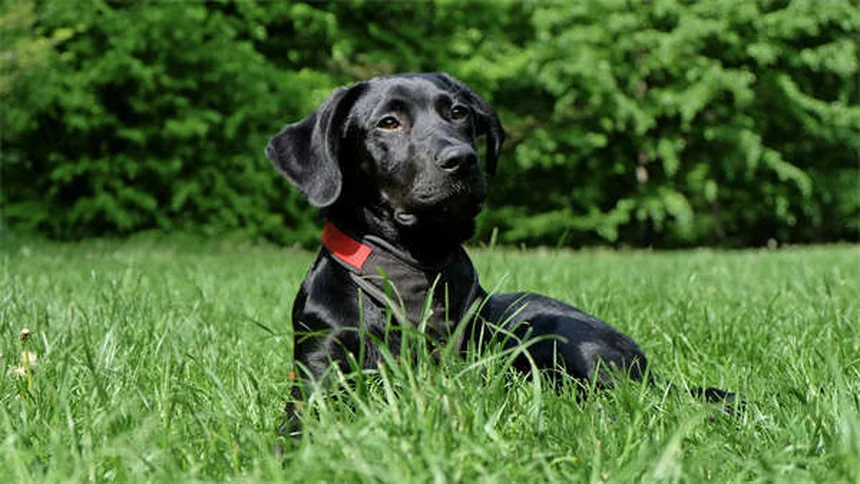
Picture this: Your dog lies belly-down with front paws stretched forward, head upright like a sphinx. This "lion pose" means they're in light sleep mode, ready to spring into action. My neighbor's German Shepherd does this nightly near the baby's crib - the ultimate furry guardian.
But here's something interesting: Is your lion-poser actually anxious? Sometimes this position indicates stress. That's why I recommend the Best Friends by Sheri Donut Cuddler - its raised edges create a security blanket effect. For daytime lounging, the Frisco Orthopedic Pillow gives perfect paw support while maintaining their vigilant posture.
 Photos provided by pixabay
Superman Style: The Energizer Pup
French Bulldogs and Pugs have turned the "superman pose" into an art form - belly down with all limbs extended like they're flying through dreamland. These little comedians wake up ready to party! My friend's Pug does this daily on his Chewy Elevated Bed before zooming around the backyard.
Fun fact: This position helps brachycephalic (short-nosed) breeds breathe easier while sleeping. The steel-framed outdoor beds work great for superman sleepers who alternate between napping and spontaneous play sessions.
More Than Just Cute Positions
Belly-Up: Ultimate Trust Display
Nothing beats the hilarious sight of a "dying cockroach" pose - legs in the air, belly fully exposed. Greyhounds especially love this vulnerable position. But is it safe? Absolutely! Dogs naturally avoid uncomfortable positions. Though older pups might switch to side sleeping as this can strain their backs.
For belly-up enthusiasts, the FurHaven Orthopedic Chaise provides perfect spinal support with its dual bolsters. Check out this comparison of ideal beds for different sleeping styles:
| Sleep Position | Recommended Bed Type | Special Features |
|---|---|---|
| Side Sleeper | Plush lounger | Spacious, cooling options |
| Lion Pose | Orthopedic pillow | Head/neck support |
| Superman | Elevated bed | Breathable fabric |
The Donut: Security Seekers
When your dog curls into a tight ball with nose tucked near tail, they're conserving warmth and seeking security. New rescues often sleep like this until they feel at home. My shelter-adopted Beagle did this for weeks before finally stretching out.
The K&H Thermo-Pet Heated Bed works wonders for these pups. But here's an important question: Could curled-up sleeping signal illness? Yes - if it's unusual for your dog, schedule a vet visit. Otherwise, enjoy watching your little cinnamon roll snuggle into warmth.
 Photos provided by pixabay
Superman Style: The Energizer Pup
Some dogs transform into living hot water bottles, pressing against you all night. These "Velcro dogs" form intense bonds - my sister's Golden Retriever literally sleeps draped across her feet like a furry blanket.
While sharing beds is personal preference, every cuddle bug deserves their own Sheri Shag Blanket for couch snuggles. Fun fact: Puppies sleep 16-20 hours daily! So whether they're supermanning across the floor or donut-ed on their bed, let sleeping dogs lie... in whatever ridiculous position they choose.
Reading Between the Paws
Temperature Tells
Ever notice how your dog's sleeping location changes with the weather? In summer, mine becomes a tile-seeking missile, while winter transforms him into a blanket burrower. Cooling pads and heated beds help regulate their comfort year-round.
Age-Related Changes
Puppies often sleep belly-up or in crazy contortions, while seniors tend toward more supported positions. My 12-year-old Lab gradually transitioned from superman to side sleeping as his joints needed more cushioning. The orthopedic beds we invested in made this transition much smoother.
Remember - there's no single "right" sleeping position. Whether your pup resembles a pretzel or a pancake, their chosen posture offers fascinating insights into their comfort, personality and health. Now if you'll excuse me, I need to go document my dog's latest sleeping acrobatics... for science, of course!
Beyond the Basics: Understanding Your Dog's Sleep Language
 Photos provided by pixabay
Superman Style: The Energizer Pup
You know how we humans kick off blankets when we're hot? Dogs have their own clever ways of regulating body temperature through sleep positions. When my golden retriever starts sleeping with all four paws spread out like a starfish, I know summer's coming. This "heat dump" position maximizes air circulation around their body.
Ever wonder why your dog suddenly abandons their cozy bed for the bathroom tiles? Dogs have temperature-sensitive paw pads that help them find the coolest spots in your home. I've trained mine to use a Green Pet Shop cooling mat instead of my kitchen floor - it's been a game changer for both of us!
The Personality Factor
Here's something fascinating - your dog's sleeping style might reveal their personality traits. The confident extroverts in my dog park tend to sleep belly-up, while the more cautious ones prefer the lion pose. Dr. Stanley Coren's research shows sleeping positions correlate with temperament more than we realize.
My neighbor's anxious rescue dog always slept in tight balls until we introduced the Thundershirt calming wrap during naptime. Within weeks, she started stretching out more. Now she alternates between the donut and side positions - progress we can all celebrate!
Dream Interpretation 101
Those twitching paws and muffled barks during sleep aren't just cute - they're signs your dog is in REM sleep, processing their daily adventures. Smaller breeds dream more frequently than larger dogs, which explains why my Jack Russell seems to run marathons in his sleep!
But here's a question that keeps me up at night: Do dogs have nightmares? Veterinary behaviorists confirm they do. If your pup suddenly wakes up distressed, gentle reassurance works better than waking them abruptly. I keep a Adaptil calming spray near my dog's bed for such occasions.
Creating the Perfect Sleep Environment
Bed Placement Matters
You wouldn't put your bed in a noisy hallway, right? Dogs need quiet zones too. After noticing my dog kept abandoning his expensive bed, I realized it was placed near the laundry room. Moving it to a corner with visual barriers on two sides made all the difference.
Consider these ideal bed locations:
- Against a wall for security
- Away from high-traffic areas
- With a view of family activity (but not too close)
The Multi-Bed Solution
Why settle for one bed when your dog clearly needs options? I've adopted the "three bed rule" - one in the bedroom, one in the living area, and one portable option. The Petmaker travel bed folds into my backpack for park outings, while the PetFusion Ultimate Lounge stays in our TV room.
Different surfaces serve different needs too. My dog uses:
| Bed Type | When Used | Favorite Position |
|---|---|---|
| Memory foam | Nighttime | Side sleeper |
| Cooling gel | Afternoon naps | Superman |
| Shag carpet | Morning sun patches | Donut |
Bedtime Routines That Work
Dogs thrive on consistency just like kids do. Our nightly ritual includes:
- A final potty break
- 5 minutes of gentle brushing
- A dental chew (the Greenies brand is our favorite)
- Turning on the white noise machine
This routine signals "wind down time" so effectively that my dog now heads to bed before I finish saying "goodnight." Can dogs tell time? Research suggests they have an incredible sense of routine timing - mine certainly knows exactly when 9:30 PM rolls around!
When to Worry About Sleep Changes
Signs of Discomfort
While occasional position changes are normal, sudden shifts might indicate health issues. When my senior dog started sleeping exclusively in the lion pose, our vet diagnosed early arthritis. The Ortho Dog bed with extra lumbar support helped tremendously.
Watch for these red flags:
- Frequent position changes (can't get comfortable)
- Excessive circling before lying down
- New reluctance to use familiar sleeping spots
The Senior Sleep Transition
As dogs age, their sleep needs evolve. My 14-year-old lab now takes shorter but more frequent naps throughout the day. We've adapted by:
- Adding ramps to favorite sleeping furniture
- Using heated beds in winter
- Scheduling more potty breaks
The K&H Memory Foam Bed with low entry has been perfect for his golden years. Remember - quality sleep becomes even more crucial for senior dogs' cognitive health.
When to Call the Vet
While most sleep position changes are harmless, certain situations warrant professional advice. If your dog shows any of these signs, schedule a checkup:
- Labored breathing during sleep
- Extreme difficulty getting comfortable
- Significant changes in sleep duration
Our canine companions spend about 50% of their lives sleeping, so understanding their sleep language helps us provide better care. Whether your dog sleeps like a contortionist or a statue, each position tells a story about their comfort, health and happiness. Now if you'll excuse me, I need to go adjust my dog's blanket - he's giving me the "more covers please" look!
E.g. :6 Dog Sleeping Positions and What They Mean | PetMD
FAQs
Q: Why does my dog sleep on their back with legs in the air?
A: The belly-up position (affectionately called the "dying cockroach") is actually your dog's way of saying "I feel completely safe!" When my Lab does this, I know he's in total relaxation mode. According to veterinarians, this vulnerable posture means your pup trusts their environment completely. Some breeds like Greyhounds naturally prefer this position, while others might do it to cool down on hot days. Just remember - older dogs might need extra support if they sleep this way, so consider an orthopedic bed like the FurHaven Chaise to protect their spine.
Q: Is it normal for my dog to sleep curled up in a ball?
A: Absolutely! The donut position (curled up nose-to-tail) is super common, especially in new rescues or when dogs feel chilly. My friend's adopted Beagle slept like this for weeks before feeling at home. However, if this is new behavior for your dog, it could signal discomfort or illness. I always recommend the K&H Thermo-Pet Heated Bed for donut sleepers - the warmth helps them relax while the bolstered sides provide security. Pro tip: Watch for other signs of distress if the curled-up position seems unusual for your pup.
Q: What does it mean when my dog sleeps in the lion pose?
A: The lion pose (belly down with head up) shows your dog is in light sleep mode, ready to spring into action if needed. My neighbor's German Shepherd does this nightly near the baby's room - it's their natural protective instinct kicking in! Some anxious dogs also adopt this position, so I suggest trying a calming bed like Best Friends by Sheri's Donut Cuddler. For daytime lion posers, the Frisco Orthopedic Pillow gives perfect support while letting them stay alert to household happenings.
Q: Why does my French Bulldog sleep like Superman?
A: That adorable superman pose (all limbs stretched out) is especially common in short-nosed breeds! As a Frenchie owner, you've probably noticed this position helps your pup breathe easier while sleeping. These playful dogs wake up ready to zoom - my friend's Pug does his morning "superman" before tearing around the yard. An elevated bed like Chewy's Steel-Framed option works perfectly for these energetic sleepers, keeping them cool during naps and ready for action when awake.
Q: Should I be concerned if my dog changes sleeping positions?
A: Not necessarily! Dogs naturally switch positions throughout the night (and day - they sleep 16+ hours!). My Lab cycles through at least three different poses before breakfast. However, sudden changes in preferred sleeping positions, especially in older dogs, might indicate discomfort. When my senior dog stopped his belly-up sleeping, our vet recommended an orthopedic bed to support his aging joints. Always monitor changes along with other behaviors - if something seems off, schedule a check-up.