Looking for the best dog harness for your furry friend? The answer is: Yes, a properly fitted harness is safer and more comfortable than a collar for most dogs! As a dog owner who's tried dozens of harnesses, I can tell you that getting the right fit makes all the difference in your walks together. Whether you have a tiny Chihuahua or a strong-willed German Shepherd, we'll walk you through everything you need to know about measuring your dog, choosing the right style, and ensuring a perfect fit. You'll discover why harnesses are especially great for pullers, small breeds, and dogs with short noses - and how they can actually make your walks more enjoyable for both of you!
E.g. :Cimetidine for Dogs: Vet-Approved Uses, Dosage & Side Effects
- 1、Finding the Perfect Harness for Your Pup
- 2、Measuring Your Dog Like a Pro
- 3、Getting That Perfect Fit
- 4、Harness Types for Every Dog
- 5、Special Needs Solutions
- 6、Final Thoughts on Harness Happiness
- 7、The Hidden Benefits of Dog Harnesses You Never Considered
- 8、Harness Materials Matter More Than You Think
- 9、Seasonal Harness Considerations
- 10、Harness Maintenance 101
- 11、Harness Safety Myths Debunked
- 12、Making the Switch Easier
- 13、FAQs
Finding the Perfect Harness for Your Pup
Hey there fellow dog lovers! Let's talk about dog harnesses - one of the most important accessories for your furry friend. I've been through dozens of harnesses with my three dogs, and trust me, getting the right fit makes all the difference!
Why Choose a Harness Over a Collar?
Ever seen a dog coughing and wheezing while pulling on their leash? That's exactly why we use harnesses! For pullers, small breeds, or dogs with short noses (like Pugs or Bulldogs), harnesses distribute pressure safely across the chest instead of putting all the strain on the neck.
Just last week, my neighbor's Boston Terrier was choking himself on walks until they switched to a harness. Now he walks comfortably, and my neighbor doesn't have to worry about trachea damage. That's the power of choosing the right gear!
Measuring Your Dog Like a Pro
You wouldn't buy shoes without knowing your size, right? Same goes for dog harness sizing. Let me walk you through the simple steps I use for all my dogs.
Girth Measurement - The Most Important Number
Wrap a soft measuring tape around the widest part of your dog's ribcage, about an inch behind their front legs. Make it snug but not tight - you should be able to slip two fingers underneath. No measuring tape? Use a string and measure it against a ruler later!
Here's a funny story: When measuring my Labrador, I accidentally tickled his belly and he rolled over for belly rubs! Moral of the story? Have treats ready to keep your pup standing still.
 Photos provided by pixabay
Other Key Measurements
Some harnesses need extra measurements:
| Measurement | How To Take It | Example (My Lab) |
|---|---|---|
| Neck | Around the base where collar sits | 18 inches |
| Chest Width | Across breastbone behind legs | 10 inches |
| Weight | Weigh yourself holding dog, then subtract your weight | 65 lbs |
Pro tip: Manufacturers size differently - a "Medium" in one brand could be a "Large" in another. Always check their specific size chart!
Getting That Perfect Fit
Ever worn shoes that rub your heels raw? A poorly fitted harness feels just as bad for your dog. Let's make sure your pup stays comfortable.
Adjusting for Comfort
When first putting on the harness, watch for these signs:
- No red marks or irritation (especially under the armpits)
- You can fit two fingers under any strap
- Your dog can move naturally without restriction
Did you know dogs are escape artists? Mine once backed out of a loose harness to chase a squirrel! Always check that the harness is secure but not constricting.
Testing the Fit
Here's my foolproof test: After adjusting, give gentle tugs on the leash in different directions. Your dog shouldn't be able to slip out either forward or backward. If they can, tighten the straps incrementally until it's secure.
Harness Types for Every Dog
With so many options available, how do you choose? Let me break it down based on my experience with different dog personalities and needs.
 Photos provided by pixabay
Other Key Measurements
Who says safety can't be stylish? My friend's Pomeranian rocks a floral harness that gets compliments everywhere! Breathable mesh harnesses work great for warm climates, while traditional nylon ones offer endless color options.
Just remember - pretty is nice, but function comes first. That bedazzled harness might look cute, but if it doesn't fit properly, it's not worth it!
For the Uniquely Shaped Dogs
Bulldogs, Dachshunds, and other special shapes need special consideration. My Bulldog mix needed a harness with extra chest room and minimal neck restriction.
We found success with a step-in harness that buckles on top. No struggling to pull it over his big head! The wide straps distribute weight evenly across his broad chest without rubbing.
For the Strong Pullers
Does your dog walk you instead of the other way around? No-pull harnesses are game changers! The front-clip design gently redirects your dog's momentum sideways when they pull.
I trained my rescue Pit Bull mix using a no-pull harness. Within weeks, our walks went from arm-wrenching struggles to pleasant strolls. The difference was incredible!
Special Needs Solutions
Not all dogs can use standard harnesses. Some need extra support or special features. Let's look at these important options.
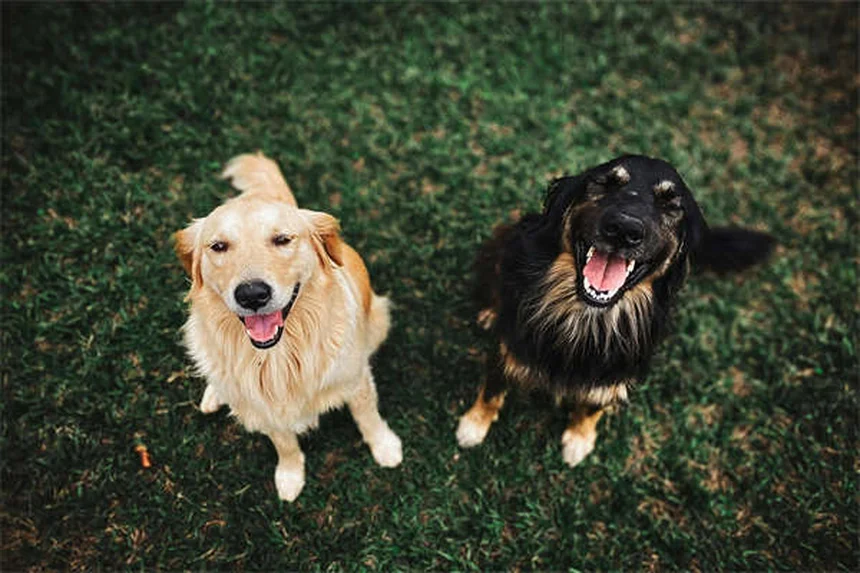 Photos provided by pixabay
Other Key Measurements
When my old Lab developed arthritis, a support harness with a handle made it easier to help him up stairs. Rehabilitation harnesses can literally be lifesavers for dogs with mobility issues.
These harnesses often have handles to help lift your dog's hindquarters gently. It's like giving them a helping hand when they need it most!
For the Car-Loving Adventurers
Did you know most dog car accidents happen at low speeds? A crash-tested harness keeps your pup safe during drives and converts to a walking harness at your destination.
We use one for road trips - it gives me peace of mind knowing my dogs are secure, and we don't have to switch gear at rest stops. Convenience and safety in one package!
Final Thoughts on Harness Happiness
Choosing the right harness makes walks better for both you and your dog. Remember:
- Measure carefully and check sizing charts
- Prioritize comfort and safety over style
- Consider your dog's specific needs and habits
Now get out there and enjoy those walks with your perfectly harnessed pup! And if you see me at the dog park with my trio, come say hi - I love talking dogs and comparing gear!
The Hidden Benefits of Dog Harnesses You Never Considered
You know harnesses keep your dog safe, but did you realize they can actually improve your dog's behavior? I discovered this accidentally when my hyperactive Boxer suddenly started paying attention to me on walks. The secret? A properly fitted harness gives you better control without discomfort, making training commands actually stick!
Harnesses as Training Tools
Ever tried teaching loose-leash walking with just a collar? It's like trying to steer a shopping cart with a broken wheel! With a front-clip harness, your corrections become clearer signals rather than confusing tugs on the neck.
My dog trainer friend swears by harnesses for puppies. "That first year is crucial," she always says. "A harness protects their developing neck while they learn leash manners." And she's right - my last puppy mastered "heel" in half the time my previous collar-trained dogs did!
The Confidence Boost Factor
Here's something most owners miss: anxious dogs often feel more secure in harnesses. Think about it - would you rather be guided by your shoulders or dragged by your throat? My rescue Shepherd mix went from trembling on walks to confidently exploring once we switched to a harness.
Veterinarians see this all the time. Dr. Martinez at our local clinic told me, "I've had countless patients whose anxiety symptoms improved just from switching to a harness." Now that's what I call an easy fix!
Harness Materials Matter More Than You Think
That cute $10 harness at the big box store? It might cost you more in the long run. After testing dozens of harnesses, I've learned that material choice makes a huge difference in durability and comfort.
Breathability vs. Durability
Let's compare two popular options:
| Material | Best For | Lifespan | My Experience |
|---|---|---|---|
| Mesh | Hot climates, short-haired dogs | 6-12 months | Great for summer but frays quickly |
| Reinforced Nylon | Strong pullers, all-weather use | 2-3 years | My Lab's current harness is going strong for 18 months |
See that lifespan difference? That $40 nylon harness actually costs less per year than replacing cheap mesh ones every season. And your dog gets consistent comfort too!
The Hidden Danger of Poor Materials
Here's something that might surprise you: some budget harnesses use dyes that can irritate sensitive skin. My friend's Bulldog developed a rash that cleared up immediately when they switched to a higher-quality harness. Always check for non-toxic certifications, especially if your dog likes to chew!
And let's talk about those metal clips - ever had one snap unexpectedly? I have, during a squirrel chase! Now I only buy harnesses with aircraft-grade aluminum buckles. Your dog's safety is worth the extra few dollars.
Seasonal Harness Considerations
Would you wear a winter coat in July? Your dog's harness needs change with the weather too! After years of trial and error, here's what I've learned about seasonal harness adjustments.
Winter Woes and Solutions
Ever tried putting a harness over a puffy dog coat? It's like trying to buckle a seatbelt over a marshmallow! For winter, I use harnesses with extendable straps to accommodate thicker coats without compromising fit.
Salt and ice melt chemicals can damage harness materials too. I make a habit of wiping down the harness after every winter walk. Pro tip: A quick rinse with vinegar water neutralizes those harsh chemicals!
Summer Survival Tactics
Did you know dark-colored harnesses can get scorching hot in the sun? I learned this the hard way when my black Lab's harness burned my hand on a 90° day! Now we stick to light colors in summer and always check the temperature before putting it on.
And here's a summer hack you'll love: Keep a spare harness! Rotating between two allows each to fully dry after those inevitable lake or sprinkler adventures. No more stinky, mildew-y harnesses!
Harness Maintenance 101
You wash your dog's bed regularly, but when was the last time you cleaned their harness? Most owners overlook this, but proper maintenance extends your harness's life and keeps your dog healthier.
Cleaning Like a Pro
Here's my simple routine: Once a week, I toss the harness in a mesh laundry bag and run it through the gentle cycle with my dog's bedding. Air dry only - heat can weaken the materials! For spot cleaning between washes, pet-safe wipes work wonders.
But wait - did you know some harnesses have hidden dirt traps? Check where straps connect - gunk builds up there! I use an old toothbrush to scrub these areas during monthly deep cleans.
Inspection Checklist
Make this a monthly habit:
- Check all stitching for fraying (especially where leash attaches)
- Test buckles for smooth operation
- Look for metal corrosion
- Feel for stiff spots that might chafe
Caught early, most wear issues can be fixed with simple repairs. My current harness is going on three years thanks to regular maintenance!
Harness Safety Myths Debunked
You've probably heard some wild claims about harnesses. Let's separate fact from fiction based on my experiences and vet consultations.
"Harnesses Encourage Pulling" - Really?
This is the most common misconception! Actually, any equipment can encourage pulling if used incorrectly. The key is proper training combined with the right harness type. Front-clip harnesses specifically discourage pulling by redirecting momentum.
Think about it - sled dogs wear harnesses designed FOR pulling, yet they respond perfectly to commands. It's all about how you use the tool!
"My Small Dog Doesn't Need One"
Would you believe tiny dogs are actually more prone to tracheal injuries from collars? Their delicate necks can't handle the pressure. My Chihuahua mix wears a vest-style harness that protects her while still looking adorable.
Vets see more collar-related injuries in small breeds than large ones. That should tell you something!
Making the Switch Easier
Some dogs act like you're torturing them when introducing a harness. Here's how I've successfully transitioned even the most stubborn pups.
The Cookie Connection
I turn harness time into treat time! First, let your dog sniff the harness while giving treats. Then drape it over their back with more treats. Gradually work up to buckling it - all while keeping the snacks flowing!
My most resistant foster dog went from hiding to happily sticking his head through the harness in just three days using this method. Positive association works wonders!
Timing is Everything
Introduce the harness when your dog is already relaxed - after meals or playtime. Trying to put it on an excited dog is like putting socks on a toddler! I always do harness training sessions separate from actual walks at first.
And here's a pro tip: Leave the harness out where your dog can investigate it. Familiarity reduces fear - my dogs now bring me their harnesses when they want to go out!
E.g. :Interesting recent 2024 study done on dog harnesses and how they ...
FAQs
Q: How do I measure my dog for a harness?
A: Measuring your dog for a harness is easier than you think! The most important measurement is the girth - wrap a soft tape measure around the widest part of your dog's ribcage, about an inch behind their front legs. Make it snug but not tight (you should fit two fingers underneath). Some harnesses also need neck and chest width measurements. Pro tip: Have treats ready to keep your pup still! I learned this the hard way when my Lab rolled over for belly rubs mid-measurement. Always check the manufacturer's size chart, as sizing varies between brands - what's "Medium" for one might be "Large" for another.
Q: What's the difference between a no-pull harness and regular harness?
A: Great question! A no-pull harness is specifically designed to discourage pulling, usually by having the leash clip in front of the chest. When your dog pulls, it gently turns them sideways instead of letting them power forward. Regular harnesses (especially back-clip ones) can actually make pulling easier for strong dogs. I saw this firsthand with my rescue Pit Bull - switching to a no-pull harness transformed our walks from exhausting to enjoyable in just a few weeks. However, no-pull harnesses aren't right for every dog - small breeds or dogs with respiratory issues often do better with standard harnesses.
Q: How tight should a dog harness be?
A: A properly fitted harness should be snug but not restrictive. Here's my simple test: You should be able to slip two fingers under any strap, but your dog shouldn't be able to slip out either forward or backward (trust me, they'll try!). Watch for rubbing under the armpits - that's a common trouble spot. When adjusting, go one strap at a time until it sits comfortably on your dog's body. Remember, a harness that's too loose is dangerous (hello, squirrel chases!), but too tight can chafe and restrict movement. It's all about finding that Goldilocks zone - not too tight, not too loose, but just right!
Q: Are harnesses better than collars for all dogs?
A: While we love harnesses for most situations, they're not necessarily better for every dog. Harnesses are ideal for pullers, small breeds, and dogs with short noses (like Pugs or Bulldogs) because they distribute pressure across the chest instead of the delicate neck area. However, some well-trained dogs who walk nicely on leash might prefer a collar for quick potty breaks. My neighbor's Greyhound actually does better with a martingale collar because of her deep chest and narrow head. The bottom line? Consider your dog's specific needs, health, and walking style when choosing between a collar and harness.
Q: What type of harness is best for a car ride?
A: For car safety, you'll want a crash-tested harness specifically designed for vehicles. These have reinforced stitching and sturdy buckles to protect your pup in case of sudden stops. My personal favorite is one that converts from car harness to walking harness - super convenient for road trips! Just remember: Never use a regular walking harness as a car restraint, as it won't provide proper protection. I learned this the hard way when a quick stop sent my dog tumbling (he was fine, but it scared us both!). Now we always buckle up with proper car-safe gear.