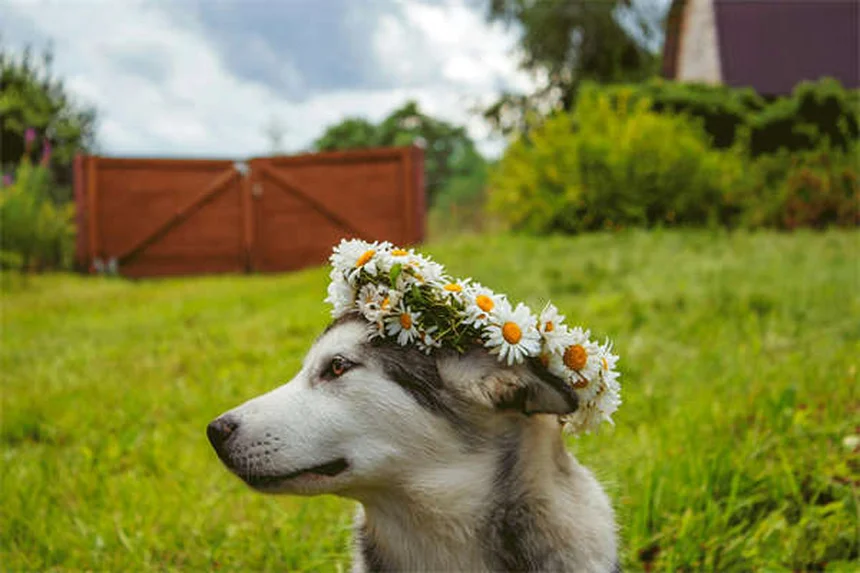
How long do dogs live? The answer isn't as simple as you might think! Dog lifespan varies dramatically by size and breed, with small dogs often living nearly twice as long as giant breeds. On average, dogs live 10-13 years, but your tiny Chihuahua could reach 16 while a Great Dane might only make it to 8. The key factors? Genetics, size, and the quality of care you provide.Here's what I've learned after years of researching canine longevity: smaller dogs typically outlive larger ones, mixed breeds often have genetic advantages, and your care choices can add years to your pup's life. We'll break down exactly what to expect based on your dog's size, plus share vet-approved tips to maximize those precious years together. Because let's face it - we all want our furry best friends around as long as possible!
E.g. :How to Teach a Dog to Lie Down: 7 Easy Steps for Beginners
- 1、Understanding Your Dog's Lifespan
- 2、Breaking Down Lifespans By Size
- 3、Giant Breeds: Loving Them While We Can
- 4、Extending Your Dog's Golden Years
- 5、Making Every Moment Count
- 6、The Science Behind Dog Aging
- 7、Breed-Specific Longevity Secrets
- 8、Environmental Factors You Control
- 9、Cutting-Edge Longevity Research
- 10、Practical Tips From Long-Lived Dogs
- 11、FAQs
Understanding Your Dog's Lifespan
Why Size and Breed Matter So Much
Ever looked at your pup and wondered, "How many years will we get to share together?" The answer isn't as simple as "one human year equals seven dog years." Size and breed play massive roles in determining lifespan. While the average dog lives 10-13 years, your tiny Chihuahua might outlive your neighbor's Great Dane by half a decade!
Here's a fun fact that surprises many owners: smaller dogs typically live longer than larger ones. Why? Scientists aren't completely sure, but we suspect it's because big dogs age faster at the cellular level. Their bodies work harder, their joints endure more stress, and they're prone to specific health issues like bone cancer. Imagine carrying around 150 pounds all day - you'd wear out faster too!
The Mixed Breed Advantage
Did you know mutts often have a genetic advantage? Purebred dogs, while beautiful, often inherit health issues from generations of selective breeding. Mixed breeds benefit from hybrid vigor - that magical genetic diversity that reduces risks for hereditary diseases. Think of it like this: if one parent's genes carry a weakness, the other parent's genes might compensate.
| Dog Size | Average Lifespan | Common Health Concerns |
|---|---|---|
| Small (under 20 lbs) | 12-16 years | Dental disease, heart issues |
| Medium (20-50 lbs) | 10-14 years | Breed-specific issues |
| Large (50-90 lbs) | 9-12 years | Arthritis, cancer |
| Giant (90+ lbs) | 7-10 years | Joint problems, heart disease |
Breaking Down Lifespans By Size
 Photos provided by pixabay
Tiny But Mighty: Small Dogs
Your pocket-sized companions are the marathon runners of the dog world. Take the Chihuahua - these feisty little guys frequently hit 15-16 years! But their longevity comes with trade-offs. Those adorable tiny mouths? Perfect breeding grounds for dental disease. And their petite frames often mean delicate organs that need extra care as they age.
Here's something I always tell small dog owners: don't skip dental cleanings. What seems like minor tartar buildup can lead to serious heart and kidney issues down the road. Prevention is way cheaper (and less painful for your pup) than treatment!
The Middle Ground: Medium Dogs
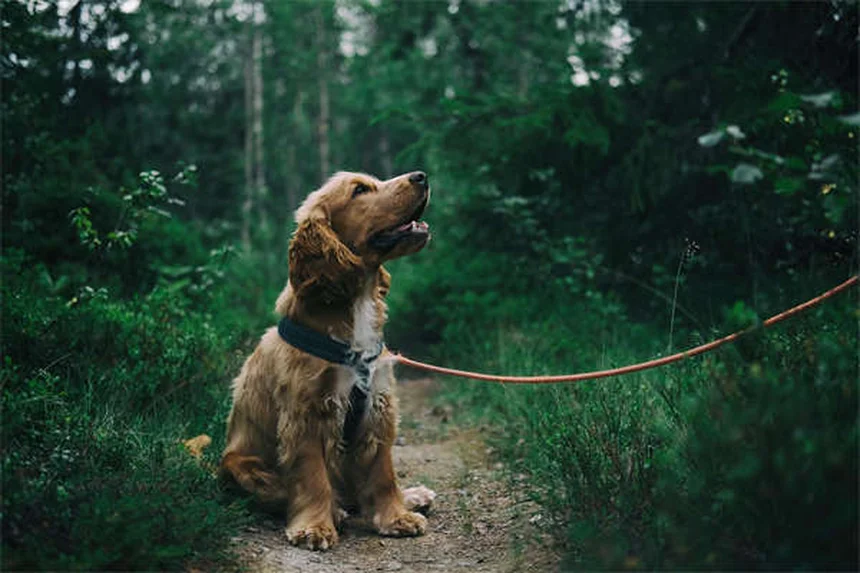
Medium dogs offer the perfect balance for many families. Breeds like Cocker Spaniels and Australian Cattle Dogs typically live 10-14 years - right around that average dog lifespan. But here's where it gets interesting: within this category, lifespan varies wildly based on breed health.
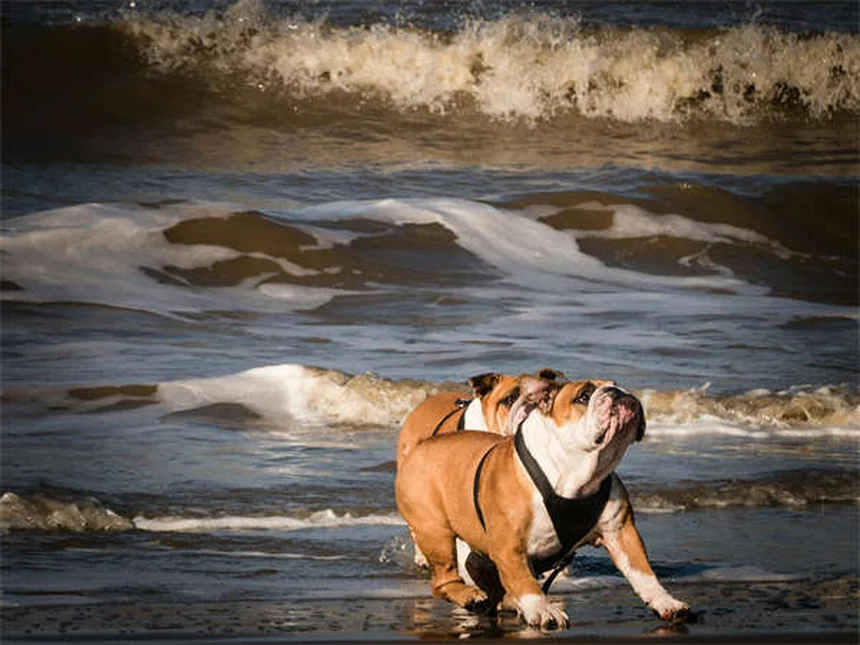
Ever wonder why Bulldogs only live 8-10 years while similar-sized Cattle Dogs reach 16? It's all in the breeding. Bulldogs' cute squished faces cause breathing problems, while Cattle Dogs were bred for hard ranch work - creating robust genetics. When choosing a medium breed, look beyond size to their specific health predispositions.
Giant Breeds: Loving Them While We Can
The Heartbreak of Short Lifespans
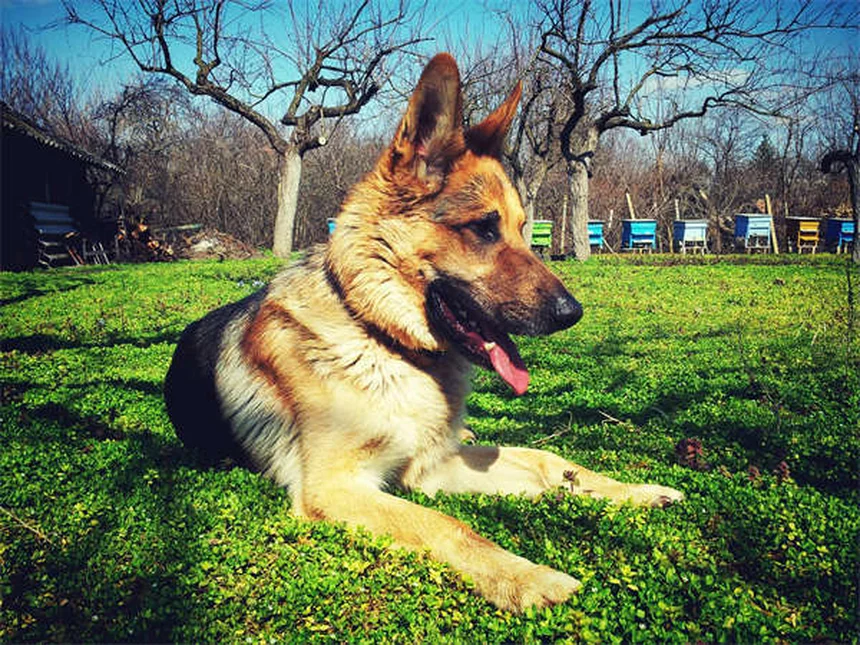
There's nothing quite like the love of a giant breed - but that love comes with an expiration date. Great Danes and Newfoundlands rarely see double digits in age. Why? Simple physics. Their massive bodies endure incredible stress. A 6-year-old Great Dane is essentially a senior citizen, often struggling with arthritis and mobility issues.
Here's a tip for giant breed owners: start joint supplements early. Glucosamine and omega-3s can't turn back time, but they might buy you extra quality months with your gentle giant. And invest in orthopedic beds - their joints will thank you!
 Photos provided by pixabay
Tiny But Mighty: Small Dogs
Did you know large dogs develop cancer at nearly twice the rate of small dogs? Golden Retrievers in particular face staggering cancer rates - about 60% will develop it in their lifetime. But before you panic, remember: early detection saves lives. Regular vet checks and being alert to lumps or behavior changes can make all the difference.
Extending Your Dog's Golden Years
Nutrition: The Foundation of Longevity
You are what you eat - and that goes double for dogs! A landmark study showed lean Labs lived two years longer than their chubby buddies. Measure meals, limit treats, and choose high-quality food appropriate for your dog's life stage. Puppy food for seniors? Recipe for weight gain and joint stress!
Here's my golden rule: if you can't easily feel (but not see) your dog's ribs, it's time to cut back on snacks. And no, those sad puppy eyes aren't actually starving - they're just really good at guilt trips!
Preventive Care Pays Off
Why wait until your dog is sick? Annual vet visits catch problems early, when they're easier (and cheaper) to treat. Bloodwork establishes baselines, dental cleanings prevent systemic disease, and vaccines protect against deadly illnesses. Think of it like changing your car's oil - skip maintenance, and you'll pay more later.
Pro tip: many vets offer wellness plans that spread preventive care costs over monthly payments. Ask about these - your budget (and your pup) will thank you!
 Photos provided by pixabay
Tiny But Mighty: Small Dogs
Here's something most owners don't realize: exercise needs change with age. Your hyper Labrador puppy needs hours of running, but that same dog at 10 might do better with shorter, more frequent walks. Tailor activities to your dog's current abilities to keep them moving without causing pain or injury.
Remember that arthritic senior? Swimming is fantastic low-impact exercise! Many rehab centers offer canine hydrotherapy - it's like a spa day with health benefits. Just don't tell your dog it's "exercise" - they think they're just having fun!
Making Every Moment Count
Quality Over Quantity
While we all want our dogs to live forever, what matters most is making their years joyful. Pay attention to subtle changes - is your food-motivated dog suddenly indifferent to treats? That's a red flag worth investigating. Keep mentally stimulating them with puzzle toys and training, even in their golden years.
Here's a thought: teach an old dog new tricks! Learning keeps their brain sharp. My 12-year-old Beagle learned to "play piano" (okay, it's just nose-touching keys) last year. Was it necessary? No. Did it make his tail wag? Absolutely!
Knowing When to Say Goodbye
This is the hardest part of pet ownership, but also the most important. As dogs age, we must become advocates for their comfort. Pain medications, mobility aids, and dietary changes can extend quality life - but there comes a point when prolonging life means prolonging suffering.
Ask yourself: "Is my dog still enjoying their favorite activities?" If the answer is consistently "no," it might be time to have that difficult conversation with your vet. Remember, the kindest gift we can give our faithful companions is a peaceful passing when the time comes.
The Science Behind Dog Aging
Cracking the Canine Biological Clock
You've probably heard the "one human year equals seven dog years" rule, but let me tell you - that's about as accurate as using a sundial to time your microwave! Recent DNA methylation studies show dogs actually age fastest in their first two years, then the process slows down. That puppy turning one? Biologically, they're more like a 30-year-old human!
Here's something fascinating I learned from veterinary researchers: dogs experience telomere shortening just like humans. These protective caps on our chromosomes wear down with age, and certain breeds lose them faster. Want to guess which dogs maintain their telomeres best? Those active mixed breeds we talked about earlier!
Epigenetics and Your Dog's Health
Ever wonder why some dogs seem to defy aging while others struggle? It's not just genetics - environment plays a huge role through epigenetics. The air your dog breathes, the stress they experience, even how often you pet them can activate or silence genes. That's right, your Netflix-and-cuddle sessions might actually be extending your pup's life!
Let me give you an example. Two Labrador retrievers from the same litter could age completely differently based on lifestyle. The couch potato pup might develop arthritis at 8, while his hiking buddy stays spry at 12. Moral of the story? Get those tails wagging!
Breed-Specific Longevity Secrets
The Australian Cattle Dog Phenomenon
Why do these medium-sized herders regularly hit 16+ years when similar-sized breeds fade at 12? Their working dog heritage selected for incredible resilience. But here's the kicker - modern pet Cattle Dogs often outlive their working counterparts because they avoid the injuries and stress of ranch life while keeping those robust genes.
I met a 19-year-old Cattle Dog named Blue last year who could still play fetch (slowly). His secret? Daily brain games, lean weight, and an owner who brushed his teeth religiously. Makes you rethink those dental chews, doesn't it?
The Paradox of Toy Breeds
Tiny dogs live long... except when they don't. Some toy breeds like the English Toy Spaniel average just 10-12 years despite their size. What gives? Turns out, when we miniaturize dogs too extremely, we often introduce heart and neurological issues. That teacup Yorker might fit in your purse, but their lifespan might not fill your heart for long.
Here's a table comparing some surprising breed lifespans:
| Breed | Average Lifespan | Longevity Factors |
|---|---|---|
| Chihuahua | 14-16 years | Small size, low cancer rates |
| Bulldog | 8-10 years | Respiratory issues, joint problems |
| Shiba Inu | 12-15 years | Ancient genetics, few hereditary issues |
| Bernese Mountain Dog | 7-8 years | High cancer rates, giant breed issues |
Environmental Factors You Control
The Air They Breathe
Did you know secondhand smoke affects dogs even more than humans? Their faster respiratory rates and closer proximity to carpets (where toxins settle) make them especially vulnerable. I once fostered a pug with asthma whose symptoms disappeared when his smoking owner quit. Coincidence? Science says no.
Here's an easy win: add some houseplants. Spider plants and Boston ferns naturally filter air, and they're non-toxic if your curious pup takes a nibble. Just maybe don't tell them they're basically living in a giant salad bar.
The Stress Connection
You think you're stressed? Imagine being a dog in a chaotic household with unpredictable routines. Chronic stress floods their bodies with cortisol, accelerating aging at the cellular level. That anxious rescue dog might be biologically older than his calm same-age buddy at the dog park.
Want to reduce your dog's stress? Try this: establish predictable routines for feeding and walks. Dogs thrive on consistency. And maybe skip those embarrassing Halloween costumes unless your pup genuinely enjoys playing dress-up (most don't!).
Cutting-Edge Longevity Research
The Dog Aging Project
Ever wish your dog could participate in real scientific research? The Dog Aging Project is studying thousands of dogs to understand what makes some live longer, healthier lives. They're investigating everything from rapamycin (a drug that extends lifespan in mice) to the impact of neighborhood walkability on canine health.
Here's something cool - participants get their dog's biological age calculated through DNA analysis. Imagine knowing your 8-year-old mutt has the body of a 6-year-old! Makes that daily walk feel even more worthwhile, doesn't it?
Stem Cell Therapy Breakthroughs
What if we could regenerate your dog's arthritic joints instead of just managing the pain? Veterinary stem cell therapies are doing exactly that, using fat cells harvested from the dog's own body. While still expensive, these treatments are becoming more accessible and could revolutionize how we manage aging in pets.
I recently spoke with a Greyhound owner whose 10-year-old racer regained his ability to jump on the couch after stem cell therapy. Sure, maybe we shouldn't encourage couch-jumping, but seeing that tail wag? Priceless.
Practical Tips From Long-Lived Dogs
The Okinawan Connection
You've heard of the Blue Zones where humans live longest, but did you know dogs in Okinawa also enjoy exceptional longevity? Their secret? A fish-rich diet, plenty of outdoor activity, and strong social bonds within multi-generational households. Maybe we should all move to Japan with our pups!
Can't relocate? Try incorporating some of these principles: add omega-rich fish to your dog's diet, create sniffari walks where they explore new routes, and involve them in family activities. That last one's easy - who doesn't want more puppy cuddles during movie night?
The Power of Purpose
Ever noticed how working dogs often stay sharp into old age? That's no coincidence. Dogs need mental stimulation just like physical exercise. Even if your pup isn't herding sheep, you can give them jobs: carrying the newspaper (or their own leash), finding hidden treats, or "guarding" their favorite spot on the couch.
Here's a fun idea: teach your senior dog to be a "mentor" to puppies at the dog park. Older dogs often enjoy gentle interactions with youngsters, and it keeps their social skills sharp. Just maybe don't expect them to keep up with the zoomies!
E.g. :How Long Do Dogs Live? | PetMD
FAQs
Q: Why do small dogs live longer than big dogs?
A: Science still hasn't completely solved this mystery, but we've got some solid theories. First, larger dogs experience faster cellular aging - their bodies work harder just to function at that size. Imagine carrying around 150 pounds 24/7! Second, big dogs are prone to specific health issues like bone cancer and joint problems that small dogs rarely face. Their massive frames also put incredible stress on organs and joints. While your teacup poodle might bounce around at 15, that 6-year-old Great Dane is already considered a senior. It's not fair, but understanding these differences helps us give each dog the best care for their size.
Q: Do mixed breed dogs really live longer?
A: Yes, mutts often have a lifespan advantage! Here's why: purebred dogs frequently inherit health issues from generations of selective breeding for specific traits. Mixed breeds benefit from what we call "hybrid vigor" - genetic diversity that reduces risks for hereditary diseases. Think of it like having backup plans in their DNA! While that designer Labradoodle might inherit the worst traits from both parents, your shelter mutt's varied ancestry often creates healthier combinations. Of course, every dog is unique, but statistically, mixed breeds do tend to outlive their purebred counterparts by 1-3 years on average.
Q: What's the best way to help my dog live longer?
A: Start with these three game-changers: First, keep your dog lean - studies show fit dogs live up to two years longer! Measure meals and limit treats. Second, don't skip preventive care. Annual vet visits catch problems early when they're easier to treat. Third, match exercise to your dog's life stage - that hyper puppy needs different activities than your senior. Remember, quality matters as much as quantity. A 12-year-old dog who's still enjoying walks and playtime is winning at life, even if they don't break longevity records!
Q: How can I estimate my dog's lifespan?
A: Look at three key factors: size, breed, and family history. Small dogs (under 20 lbs) typically live 12-16 years, mediums 10-14, larges 9-12, and giants 7-10. But within those ranges, specific breeds have different averages - a healthy Australian Cattle Dog might hit 16 while a Bulldog averages just 8-10. If you know your dog's parents' ages, that's helpful too. Pro tip: Dog DNA tests can reveal genetic risks for certain diseases, helping you anticipate and prevent problems. Just remember these are estimates - with great care, many dogs outlive their expected ranges!
Q: Are there warning signs my dog is aging faster than normal?
A: Watch for these red flags: difficulty with stairs or jumping (could indicate joint pain), sudden weight changes, loss of interest in food or play, excessive panting, or new lumps. Smaller dogs showing dental issues or coughing might have heart disease, while large dogs limping could signal bone cancer. The key? Know what's normal for YOUR dog. That 10-year-old Chihuahua who slows down a bit is probably fine, but a 5-year-old Golden Retriever who can't keep up needs a vet visit ASAP. When in doubt, get it checked out - early intervention makes all the difference!