Is Tylenol safe for dogs? The answer is clear: No, Tylenol is not safe for dogs without veterinary supervision. As a pet owner myself, I understand how tempting it can be to reach for human medications when our furry friends are in pain. But here's the hard truth - acetaminophen (the active ingredient in Tylenol) is one of the top 10 causes of pet poisoning according to ASPCA data. I've seen too many heartbreaking cases where well-meaning owners accidentally harmed their pets with over-the-counter meds. The risks simply aren't worth it - Tylenol can cause liver damage and oxygen transport problems in dogs, sometimes with just one pill. But don't worry, we'll explore safer alternatives that actually work for canine pain relief!
E.g. :Guinea Pig Hair Loss: 5 Barbering Causes & Quick Fixes
- 1、Why Tylenol is Dangerous for Dogs
- 2、When Vets Might Consider Tylenol
- 3、Recognizing Tylenol Poisoning
- 4、Safer Alternatives for Pain Relief
- 5、Preventing Medication Mishaps
- 6、When to Seek Veterinary Help
- 7、The Hidden Dangers in Your Medicine Cabinet
- 8、The Science Behind Canine Toxicity
- 9、First Aid Myths That Could Hurt Your Dog
- 10、Beyond Medications: Unexpected Household Hazards
- 11、Building a Dog-Safe Lifestyle
- 12、When Prevention Fails: Understanding Treatment Options
- 13、Turning Knowledge Into Action
- 14、FAQs
Why Tylenol is Dangerous for Dogs
The Shocking Truth About Human Medications
Did you know that Tylenol (acetaminophen) ranks among the top 10 pet poisons according to ASPCA? I was shocked when I first learned this! Many well-meaning pet owners accidentally harm their furry friends by giving human medications.
Here's why it's so dangerous: Tylenol can cause liver damage and prevent your dog's blood from carrying oxygen properly. Imagine your pup's red blood cells turning into little deflated balloons - that's essentially what happens with acetaminophen toxicity. The scary part? Just one extra-strength tablet could send a 50-pound dog to the emergency vet!
What Happens Inside Your Dog's Body
When your dog swallows Tylenol, their liver goes into overdrive trying to process it. Unlike humans, dogs have limited ability to break down this medication. It's like asking a Chihuahua to pull a sled - their system just isn't built for it!
The toxic byproducts attack two crucial systems:
- Liver cells start dying, leading to potential liver failure
- Red blood cells lose their oxygen-carrying capacity
When Vets Might Consider Tylenol
 Photos provided by pixabay
The Rare Cases Where It's Used
While I'd never recommend giving Tylenol at home, some veterinarians might prescribe it in very specific situations. Think of it like using a flamethrower to light a candle - only professionals should attempt it, and only when absolutely necessary!
Here's a comparison of common pain relief options:
| Medication | Safe for Dogs? | Pain Relief | Anti-inflammatory |
|---|---|---|---|
| Tylenol | Rarely | Yes | No |
| Carprofen | Yes | Yes | Yes |
| Meloxicam | Yes | Yes | Yes |
Why Dog-Specific Meds Are Better
You might wonder, "If vets sometimes use Tylenol, why can't I?" Great question! The difference is that veterinarians:
- Use precise, weight-based dosing
- Combine it with protective medications
- Monitor liver function closely
- Only use it when other options fail
At home, you don't have blood tests or emergency medications available if things go wrong. It's like performing surgery with kitchen knives - possible in theory, but definitely not recommended!
Recognizing Tylenol Poisoning
Early Warning Signs
If your dog accidentally gets into your medicine cabinet, watch for these red flags:
• Gum color changes (blue, brown, or yellow)
• Rapid breathing (like they just ran a marathon)
• Extreme tiredness (more than their usual nap routine)
These symptoms can appear within 1-4 hours. Time is critical - the sooner you act, the better their chances!
 Photos provided by pixabay
The Rare Cases Where It's Used
What should you do if you suspect Tylenol ingestion? Follow these steps:
- Check how much is missing (count remaining pills)
- Call your vet or pet poison control immediately
- Don't induce vomiting unless instructed
- Get to the nearest animal hospital
Remember, the ASPCA Animal Poison Control Center (888-426-4435) is available 24/7. I keep this number saved in my phone - you should too!
Safer Alternatives for Pain Relief
Vet-Approved Options
Instead of risking Tylenol, ask your vet about these safer alternatives:
NSAIDs specifically made for dogs - These target both pain and inflammation, unlike Tylenol. They're like precision tools instead of blunt instruments!
Other options include:• Physical therapy• Acupuncture• Weight management• Joint supplements
Creating a Pain Management Plan
Every dog's needs are different. My golden retriever needed a combination of medication and hydrotherapy after his knee surgery. Your vet can create a customized plan that might include:
- Short-term pain relievers
- Long-term joint support
- Lifestyle modifications
- Regular monitoring
The key is working with professionals who understand canine physiology. After all, you wouldn't take medical advice from your dog about your health - return the favor!
Preventing Medication Mishaps
 Photos provided by pixabay
The Rare Cases Where It's Used
Curious pups can get into trouble faster than you can say "drop it!" Here's how to medication-proof your home:
• Store all meds in child-proof containers (dog-proof is even better!)
• Keep purses and bags off the floor (dogs love pill hunting)
• Never leave pills on counters or nightstands
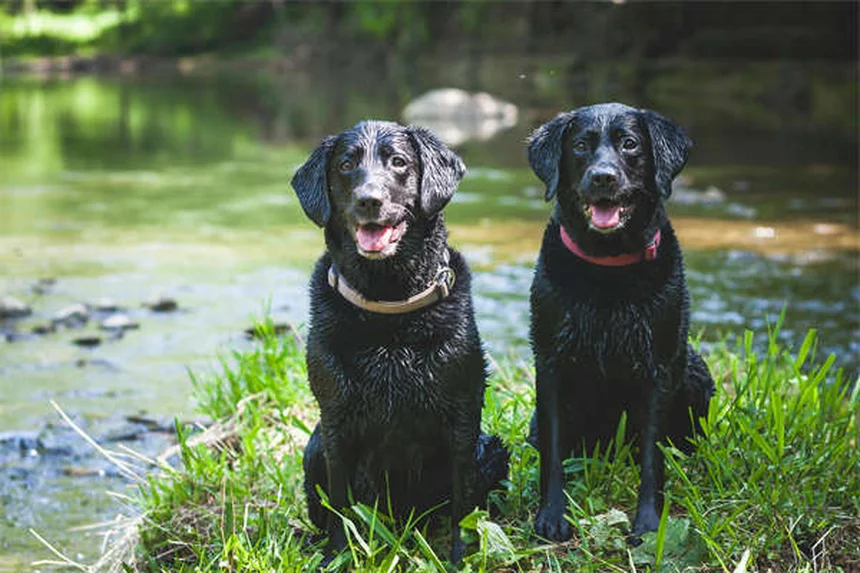
I learned this the hard way when my labrador ate an entire bottle of vitamins off the coffee table. $500 later, I became a storage container enthusiast!
Educating Family Members
Does grandma think a "little Tylenol" won't hurt? Gently explain that dogs aren't just small humans in fur coats. Share these facts:
• Human medications are the #1 cause of pet poisonings
• Dogs process drugs very differently than we do
• Even "safe" human foods can be dangerous
Make sure everyone in your household understands the risks. It takes a village to keep a dog safe!
When to Seek Veterinary Help
Better Safe Than Sorry
You might think, "But my dog seems fine after eating that pill!" Here's the scary truth: some symptoms take hours or days to appear. By then, serious damage may have already occurred.
When in doubt, call your vet. They'd much rather reassure you over the phone than treat a preventable emergency. Most clinics won't charge for quick advice calls - it's cheaper than an ER visit!
Building a Relationship With Your Vet
The best time to find a vet isn't during an emergency. Schedule regular check-ups and discuss pain management options before problems arise. A good vet will:
- Explain all available options
- Discuss costs upfront
- Create a prevention plan
- Be available for questions
Think of it like finding a good mechanic - when your car breaks down, you'll be glad you did your homework!
By: Dr. Monica Tarantino, DVM
Featured Image: iStock.com/Andrii Borodai
The Hidden Dangers in Your Medicine Cabinet
Other Common Household Items That Harm Dogs
While we're talking about Tylenol, let me tell you about other everyday items that could send your pup to the ER. Ibuprofen and naproxen (like Advil or Aleve) are even more dangerous than Tylenol for dogs! They can cause stomach ulcers and kidney failure faster than you can say "bad dog."
Here's something that might surprise you - even vitamins can be toxic. My neighbor's beagle once ate a whole bottle of vitamin D supplements and needed three days of IV fluids. Who knew something so "healthy" could be so dangerous?
Why Human Medications Hit Dogs Harder
You ever notice how a single glass of wine makes your small friend tipsy while you're still sober? That's kind of how medications affect dogs differently. Their livers process toxins about seven times slower than ours. Plus, they can't tell us when they're feeling "off" until it's serious.
Here's a quick comparison of how long common medications stay in dog vs human systems:
| Medication | Human Metabolism Time | Dog Metabolism Time |
|---|---|---|
| Tylenol | 4-6 hours | 24-48 hours |
| Ibuprofen | 6-8 hours | 48-72 hours |
| Antihistamines | 12 hours | 36 hours |
The Science Behind Canine Toxicity
What Makes Dogs So Vulnerable?
Ever wonder why chocolate kills dogs but not humans? It's all about those missing enzymes. Dogs lack the specific liver enzymes we have to break down certain compounds. It's like trying to open a can without a can opener - their bodies just don't have the right tools!
Here's a fun fact that isn't so fun: acetaminophen toxicity causes something called methemoglobinemia. That's a fancy word meaning your dog's blood turns from oxygen-rich red to oxygen-poor brown. Not a good look on anyone!
Size Matters More Than You Think
You might assume a Great Dane could handle more Tylenol than a Chihuahua, right? Well, here's the twist - all dogs are equally sensitive to acetaminophen toxicity regardless of size. That's because the danger comes from how their livers process it, not just the dosage amount.
Think of it like this: whether you're filling a shot glass or a bucket with poison, the liquid is equally deadly. The container size doesn't change the toxicity!
First Aid Myths That Could Hurt Your Dog
Dangerous Home Remedies
When panic sets in, well-meaning owners often try these harmful "solutions":• Making the dog vomit with salt (can cause salt poisoning)• Giving milk (doesn't neutralize toxins)• Waiting to see if symptoms appear (wastes critical time)
I once saw a client force-feed their dog charcoal from the grill after medication ingestion. While activated charcoal is a real treatment, grill charcoal contains dangerous chemicals. Leave the medical treatments to the professionals!
What Actually Works in Emergencies
Here's your action plan straight from my vet friends:1. Stay calm - your dog picks up on your energy2. Gather information - what was ingested, how much, when3. Call for help - keep these numbers handy: - Your regular vet - Nearest emergency clinic - ASPCA Poison Control (888-426-4435)
Pro tip: Take a photo of the medication bottle to show the vet. It's faster than trying to remember details in a crisis!
Beyond Medications: Unexpected Household Hazards
Foods That Act Like Poison
We all know about chocolate, but did you know xylitol (in sugar-free gum) can cause deadly low blood sugar in dogs? Or that grapes can trigger sudden kidney failure? My cousin's golden retriever once ate an entire fruitcake (raisins included) and needed a $3,000 hospital stay!
Here's a scary thought - raw bread dough continues rising in a dog's stomach, causing dangerous bloating and alcohol poisoning from the yeast. Who knew baking could be so hazardous?
Seasonal Dangers Throughout the Year
Different times of year bring unique risks:• Spring: Fertilizers and garden products• Summer: Sunscreen and insect repellents• Fall: Rodenticides as mice seek shelter• Winter: Antifreeze and holiday decorations
Antifreeze deserves special warning - its sweet taste attracts dogs, but just one teaspoon can kill a medium-sized dog. I keep my garage locked tighter than Fort Knox after hearing horror stories from emergency vets!
Building a Dog-Safe Lifestyle
Creating Safe Zones in Your Home
Designate medication-free areas where your dog spends time. I use these rules:• No pills taken outside the bathroom• All medications live in high cabinets• Weekly "puppy patrol" to check for dropped items
You'd be amazed what dogs can reach! My friend's dachshund once scaled bookshelves like Mount Everest to score a bottle of allergy meds. Never underestimate a determined dog!
Travel Safety Tips
Road trips require extra caution:• Pack dog meds separately from human medications• Use childproof containers even in suitcases• Research emergency vets along your route
I keep a pet first aid kit in my car with my vet's number sharpied on the side. After seeing one too many "we're on vacation and Fido ate something bad" emergencies, I don't take chances!
When Prevention Fails: Understanding Treatment Options
What Vets Can Do That You Can't
Ever wonder why rushing to the vet matters so much? Here's the inside scoop on professional treatments:• IV N-acetylcysteine - the antidote for Tylenol poisoning• Blood transfusions - for severe methemoglobinemia• Liver protectants - to minimize permanent damage
The first four hours after ingestion are golden. That's when vets can often prevent the worst effects. It's like catching a falling glass before it shatters!
The Long Road to Recovery
If the worst happens, here's what rehabilitation might look like:• Weekly blood tests to monitor liver function• Special prescription diets to support healing• Limited activity to prevent stress on damaged organs
I once fostered a rescue who survived Tylenol poisoning. His medical bills topped $8,000, and he needed six months of care. Prevention isn't just safer - it's way more affordable!
Turning Knowledge Into Action
Simple Changes That Save Lives
Let's make this practical with steps you can take today:1. Download the ASPCA Animal Poison Control app2. Pet-proof your medicine cabinet with child locks3. Educate everyone in your household
Remember that time I mentioned my labrador eating vitamins? That incident taught me to store all medications in locking containers, even ones I think are "safe." Because when it comes to curious canines, better safe than sorry!
Becoming Your Dog's Best Advocate
The most important lesson? Trust your gut. If something feels off with your dog, don't wait. I can't count how many clients say, "I knew something was wrong yesterday but..." Early intervention makes all the difference.
Your dog counts on you to be their protector. With some simple precautions and quick thinking, you can keep them safe from hidden household dangers. Now go give your pup some safe belly rubs from me!
E.g. :Can Dogs Have Tylenol? Beware the Toxic Risk for Urgent Pet Care
FAQs
Q: Can I give my dog Tylenol for pain?
A: Never give your dog Tylenol without explicit veterinary instruction. While some vets might prescribe it in rare, carefully controlled situations, the risks far outweigh any potential benefits when used at home. I've treated dogs who developed liver failure from just one extra-strength tablet. Instead, ask your vet about dog-specific pain relievers like carprofen or meloxicam - these are specially formulated for canine metabolism and provide better pain control without the dangerous side effects.
Q: What happens if a dog eats Tylenol accidentally?
A: Tylenol poisoning in dogs is a medical emergency that requires immediate veterinary attention. Here's what happens inside your pup's body: the liver becomes overwhelmed trying to process the medication, leading to toxic byproducts that attack both liver cells and red blood cells. Within hours, you might notice symptoms like brown gums, rapid breathing, or extreme lethargy. If you suspect ingestion, call your vet or the ASPCA Poison Control (888-426-4435) immediately - every minute counts when dealing with acetaminophen toxicity.
Q: Are there any safe human pain meds for dogs?
A: Very few human medications are safe for dogs, and none should be given without veterinary approval. I always tell my clients: "Dogs aren't just small humans in fur coats!" Their metabolism works completely differently. Even "safe" options like baby aspirin can cause stomach ulcers or kidney problems in dogs. The good news? We have fantastic canine-specific medications that work better than human drugs anyway. Your vet can recommend options tailored to your dog's size, age, and health condition.
Q: How can I tell if my dog is in pain?
A: Dogs often hide pain surprisingly well, a leftover instinct from their wild ancestors. As a vet, I look for subtle signs like decreased appetite, reluctance to jump or climb stairs, excessive panting, or changes in sleeping patterns. You might notice your dog licking a specific area repeatedly or acting more withdrawn. If you suspect pain, don't try to medicate at home - schedule a vet visit instead. We can identify the source of discomfort and create a safe, effective treatment plan that actually addresses the root cause.
Q: What's the safest way to store medications with pets at home?
A: Treat your medications like chocolate - keep them completely inaccessible to curious noses! I recommend high cabinets with child-proof locks (because some dogs can open drawers), and never leave pills in purses or on nightstands. After my own labrador raided my vitamin stash, I became religious about using pill containers with screw-top lids. Remember, prevention is always better than treatment - one study showed that over 50% of pet poisonings occur when medications are left within reach, even briefly.