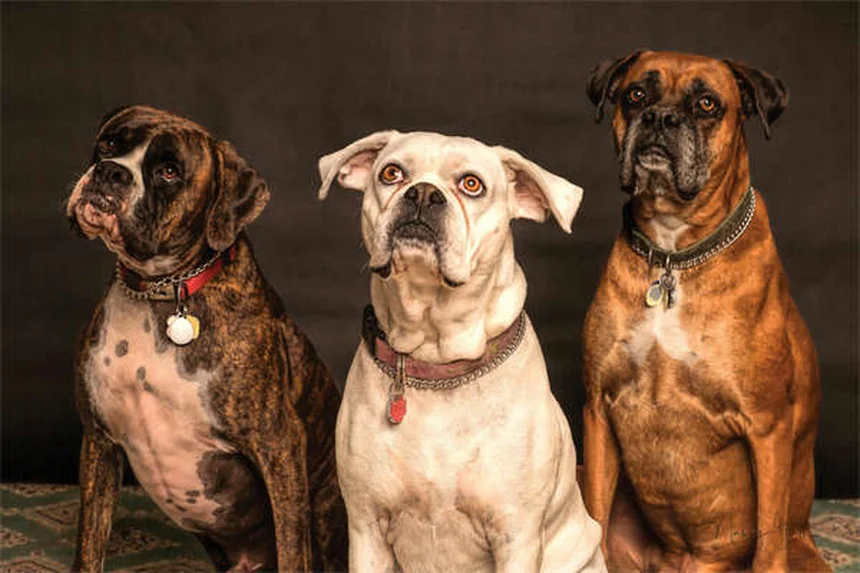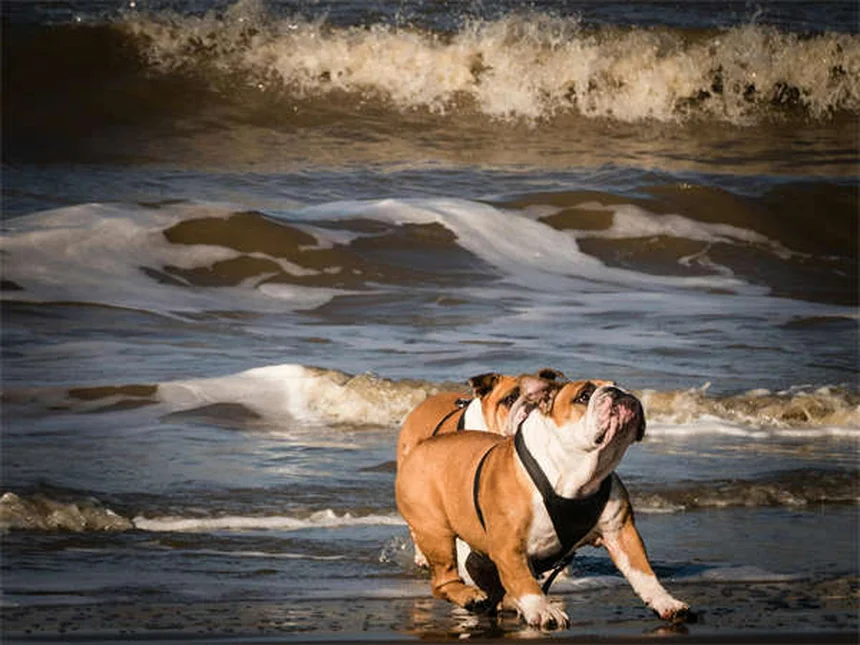
Why is my dog drinking so much water? The answer is: Your dog's excessive thirst could signal anything from hot weather to serious health conditions like diabetes or kidney disease. While some increased drinking is normal (especially in summer or after exercise), sudden changes in water consumption often indicate medical issues that need veterinary attention. I've seen many cases where early detection made all the difference - like when my neighbor's golden retriever started drinking twice her normal amount, which turned out to be early-stage diabetes. In this guide, we'll walk you through the 7 most common reasons for excessive thirst in dogs, how to track your pup's water intake, and exactly when you should call the vet.
E.g. :Shy Dog Behavior: Why Some Pups Prefer Solitude & How to Help
- 1、Is Your Dog Drinking Too Much Water? Let’s Find Out!
- 2、Why Is My Dog Suddenly So Thirsty?
- 3、When Should You Really Worry?
- 4、What Will the Vet Do?
- 5、Prevention and Home Care
- 6、The Hidden Dangers of Dehydration in Dogs
- 7、The Surprising Connection Between Water and Behavior
- 8、Water Bowl Wars: Solving Common Problems
- 9、Fun Water Facts Every Dog Owner Should Know
- 10、FAQs
Is Your Dog Drinking Too Much Water? Let’s Find Out!
What’s Normal Water Intake for Dogs?
You might be surprised to learn that dogs need about 1 ounce of water per pound of body weight daily. That means your 20-pound pup should drink roughly 20 ounces (about 2.5 cups) each day. But here’s the thing – this isn’t set in stone. Active dogs, puppies, nursing moms, and those living in hot climates often need more.
Ever wonder why your dog might drink less sometimes? If they’re eating wet food, they’re getting extra hydration from their meals. My neighbor’s Labrador, Max, drinks noticeably less when he’s on canned food compared to kibble. Always keep fresh water available – restricting water can lead to serious health issues.
How to Track Your Dog’s Water Intake
Here’s a simple trick I use: measure the water you put in the bowl each morning and check what’s left at night. Some smart bowls even have measurements marked on the side – though these might not work if you’ve got a clumsy pup like mine who constantly tips his bowl over!
For multi-pet households, microchip-activated bowls are game-changers. They only open for specific pets, so you can track each dog’s intake separately. If you notice sudden changes in drinking habits, it’s vet time.
Why Is My Dog Suddenly So Thirsty?
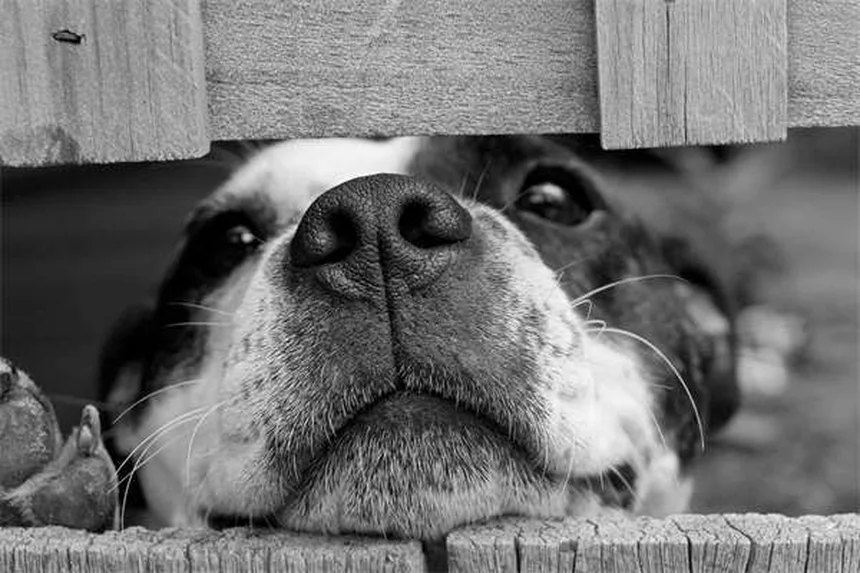 Photos provided by pixabay
Common Everyday Reasons
Before you panic, consider these normal causes:
- Hot weather – Just like us, dogs drink more when it’s warm
- Increased activity – That extra-long walk means extra water needs
- Dry food diet – Kibble-fed dogs naturally drink more than those on wet food
Remember that time last summer when your dog couldn’t get enough water after playing fetch? That’s completely normal hydration behavior.
Medical Reasons for Excessive Thirst
Now let’s talk about when increased drinking signals health issues. Did you know diabetes can make dogs drink like they’ve crossed a desert? Here’s a quick comparison of common conditions:
| Condition | Additional Symptoms | Urgency Level |
|---|---|---|
| Diabetes | Weight loss, sweet-smelling breath | See vet within days |
| Kidney Disease | Bad breath, decreased appetite | See vet within days |
| Cushing’s Disease | Pot belly, thinning fur | Schedule checkup |
| UTI | Accidents, straining to pee | See vet ASAP |
Notice your older dog drinking more at night? That could be cognitive dysfunction – basically doggy dementia. My 12-year-old Beagle started doing this, and her vet recommended keeping water available but limiting evening intake to reduce nighttime accidents.
When Should You Really Worry?
Red Flag Symptoms
Some signs mean you should get to the vet immediately:
- Vomiting or diarrhea that won’t stop
- Complete loss of appetite
- Extreme lethargy
- Stumbling or weakness
Here’s something important: never restrict water unless your vet specifically tells you to. I made this mistake once with my dog after he kept having accidents – turns out he had a UTI and needed more water, not less!
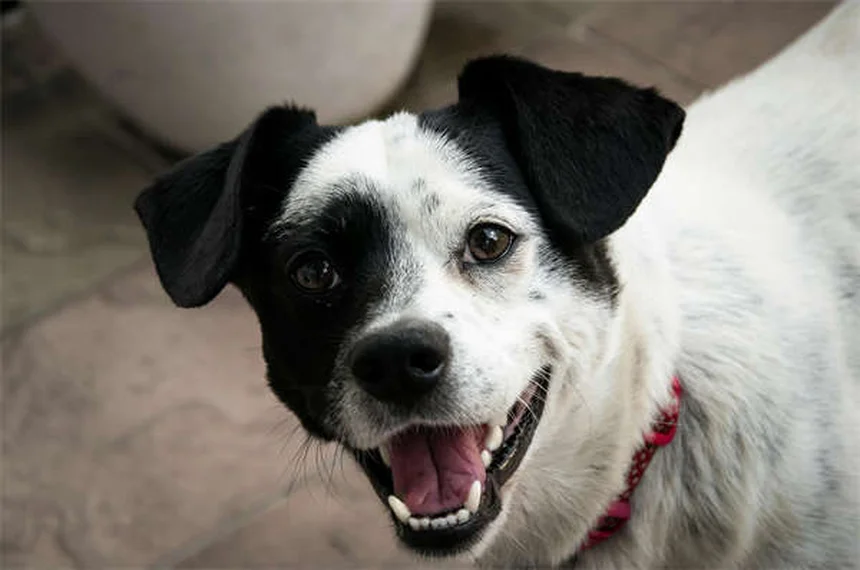 Photos provided by pixabay
Common Everyday Reasons
Ever seen your dog gulp water then immediately throw up? This frustrating cycle often happens with upset stomachs. The body tries to flush out whatever’s bothering it, but drinking too much too fast just makes things worse. Offer small amounts of water frequently instead of leaving a full bowl.
What Will the Vet Do?
Diagnostic Process
When you visit the vet for excessive thirst, expect:
- A thorough history – be ready to share details about your dog’s drinking habits
- Physical exam – checking gums, skin elasticity, and abdomen
- Diagnostic tests which might include:
- Blood work (checking kidneys, liver, electrolytes)
- Urine tests (looking for infection or concentration issues)
- X-rays or ultrasound
Pro tip: Bring a fresh urine sample if you can – it saves time and money! I keep a clean soup ladle specifically for this purpose (washed thoroughly, of course).
Treatment Options
Treatment depends entirely on the cause. For diabetes, it might mean insulin shots. Kidney disease often requires special food and medications. Simple dehydration? Maybe just some subcutaneous fluids.
The good news is many causes of excessive thirst are manageable. My friend’s dog was diagnosed with Cushing’s disease last year – with proper treatment, she’s back to her normal water-drinking habits and doing great!
Prevention and Home Care
 Photos provided by pixabay
Common Everyday Reasons
Here’s how to support healthy hydration:
- Always provide clean, fresh water
- Consider a pet fountain – many dogs prefer running water
- Add water to dry food if your dog isn’t drinking enough
- During summer, provide shade and limit exercise during peak heat
Did you know some dogs are picky about their water bowls? My dog refused to drink from stainless steel until I switched to ceramic. Sometimes it’s the little things!
When to Offer (and Limit) Water
While constant access to water is ideal, there are exceptions:
- After surgery (follow your vet’s instructions)
- For dogs with nighttime accidents (small amounts frequently instead of free access)
- During house training (scheduled water breaks help predict potty needs)
Remember that old saying “You can lead a horse to water but you can’t make it drink”? Turns out the opposite is true for dogs – if they’re drinking excessively, there’s usually a reason worth investigating.
The Hidden Dangers of Dehydration in Dogs
Why Dehydration Sneaks Up on Dogs
You'd think it would be obvious when your dog needs water, right? Wrong. Unlike humans who get headaches or feel thirsty, dogs often show subtle signs until dehydration becomes severe. That tongue hanging out might not just be your pup being cute - it could be their way of cooling down when they're already dehydrated.
Here's something most owners don't realize: by the time your dog shows obvious thirst, they're already about 3% dehydrated. That's like you going an entire day without drinking anything! I learned this the hard way when my terrier got heat exhaustion after just 30 minutes at the dog park. Now I always bring a collapsible water bowl and offer drinks every 15 minutes during playtime.
Creative Ways to Get Your Dog to Drink More
If your dog isn't drinking enough, try these fun tricks:
- Make "pupsicles" by freezing low-sodium chicken broth in ice cube trays
- Add a splash of tuna water (the kind packed in water, not oil) to their bowl
- Use a pet fountain - the running water attracts many dogs
My neighbor's picky poodle wouldn't touch water until they started floating a few pieces of his favorite kibble on top. Now he "fishes" for his food and drinks at the same time! What weird tricks have you tried that actually worked?
The Surprising Connection Between Water and Behavior
How Hydration Affects Your Dog's Mood
Ever notice your dog gets cranky when they're thirsty? There's actual science behind this! Dehydration causes a drop in serotonin levels, which can make dogs irritable or anxious. That "afternoon slump" where your dog seems extra lazy might just mean they need a water break.
Here's an interesting experiment you can try: track your dog's water intake and behavior for a week. You might discover patterns like my friend did - her golden retriever starts chewing furniture when he's even slightly dehydrated. Now she keeps water bowls in every room and the destructive behavior stopped!
Water Intake and Training Success
Did you know proper hydration can improve training results by up to 40%? A well-hydrated dog has better focus and faster reaction times. Next time you're working on a new trick, offer small water breaks every 10 minutes.
But here's the catch - too much water right before training can lead to accidents. I learned this during puppy classes when my labrador got so excited about the water breaks that he... well, let's just say we had to cut the session short!
Water Bowl Wars: Solving Common Problems
Why Some Dogs Hate Their Water Bowls
It's not just pickiness - there are real reasons your dog might avoid drinking:
| Problem | Solution |
|---|---|
| Whisker fatigue (sensitive whiskers hitting bowl sides) | Use wide, shallow bowls |
| Reflective surfaces scare some dogs | Try matte-finish ceramic bowls |
| Metal bowls make scary noises | Switch to silent silicone |
| Static electricity shocks | Ground the bowl or use plastic |
My sister's rescue dog wouldn't drink for days until they realized his metal bowl reflected ceiling lights in a way that scared him. A simple $5 plastic bowl fixed the issue immediately!
The Great Water Bowl Placement Debate
Where you put the water bowl matters more than you think. Most people make these mistakes:
- Placing it next to food (many dogs prefer separate locations)
- Putting it in high-traffic areas (some dogs want privacy to drink)
- Keeping it near loud appliances (the humming scares sensitive pups)
Here's a pro tip: try placing water bowls in at least two different locations. You might be surprised to find your dog prefers drinking in that quiet corner by the bookshelf instead of the kitchen where everyone walks by!
Fun Water Facts Every Dog Owner Should Know
How Dogs Drink: The Amazing Science
Ever really watched how your dog drinks? They don't scoop water like we do - they actually create a water column with their tongue then snap their jaws shut to catch it. This method lets them lap up to 4 times per second!
Here's something even cooler: researchers at Virginia Tech discovered that dogs adjust their licking technique based on water depth. In shallow bowls, they use faster, shorter licks. Deep water gets slower, more deliberate movements. Isn't that incredible?
Historical Water Habits of Dogs
Did you know wild canids get most of their water from prey? That's why our domestic dogs often drink less when eating raw food. Ancient dogs would drink from streams and rivers, which explains why many modern dogs prefer running water.
This also explains why some dogs love drinking from puddles (though you should discourage this). Their ancestors survived on whatever water sources they could find! My border collie goes nuts for the sprinkler - turns out it's not just play, it's instinct!
E.g. :Why Is My Dog Drinking a Lot of Water? | PetMD
FAQs
Q: How much water should my dog drink daily?
A: Here's the simple rule we veterinarians use: dogs need about 1 ounce of water per pound of body weight each day. That means your 15-pound pup should drink roughly 15 ounces (nearly 2 cups) daily. But remember - this isn't set in stone! Active dogs, puppies, nursing moms, and those in hot climates often need more. My own labrador drinks about 25% more in summer when we're hiking daily. The key is knowing your dog's normal baseline - measure their intake for a few days when they're healthy so you'll spot changes. Pro tip: Dogs eating wet food may drink less since they're getting hydration from their meals.
Q: What are the most common medical reasons for excessive thirst in dogs?
A: From my 10 years in veterinary practice, these are the 7 most frequent medical causes we see: 1) Diabetes - look for sweet-smelling breath and weight loss; 2) Kidney disease - often with bad breath and decreased appetite; 3) Cushing's disease - typically causes pot-belly and thinning fur; 4) UTIs - watch for straining to pee or accidents; 5) Liver disease - may show yellow gums or eyes; 6) Pyometra (in unspayed females) - often with vaginal discharge; 7) Electrolyte imbalances - sometimes from vomiting/diarrhea. If your dog's thirst change comes with any of these symptoms, schedule a vet visit ASAP.
Q: My dog drinks a lot at night - should I be concerned?
A: Nighttime water guzzling can be tricky! While it might signal medical issues like diabetes or kidney disease (especially in older dogs), it could also be due to: 1) Daytime water restriction (common in crated dogs); 2) Dry air from heating/cooling systems; 3) High-sodium treats before bed; or 4) Canine cognitive dysfunction (doggy dementia). I recommend trying a humidifier near their bed and offering smaller, more frequent water amounts throughout the day. If the behavior continues more than 3 nights, or you notice other symptoms, it's vet time.
Q: How can I accurately measure my dog's water intake?
A: Here's the method I teach all my clients: Use a measuring cup to fill the bowl at the same time each morning, then measure what's left at night. For multi-pet homes, microchip-activated bowls (like SureFeed) work wonders. Some owners find marked water bottles (like for sports) helpful for tracking. Last month, a client discovered her "excessive drinker" was actually sharing water with the cat using this method! Remember - consistency is key. Track for at least 3 normal days to establish a baseline before worrying.
Q: When should I take my dog to the vet for drinking too much water?
A: Immediate vet attention is needed if you see: 1) Vomiting/diarrhea that won't stop; 2) Complete loss of appetite; 3) Extreme lethargy or weakness; 4) Stumbling or collapse; 5) Straining to urinate. For less urgent cases (just increased thirst with no other symptoms), schedule a checkup within 1-2 weeks. Here's a story from my practice: A dachshund named Oscar started drinking triple his normal amount but seemed otherwise fine. His owner waited 3 weeks to call - turns out he had early kidney disease that we could've managed better with earlier detection. When in doubt, it's always better to check!