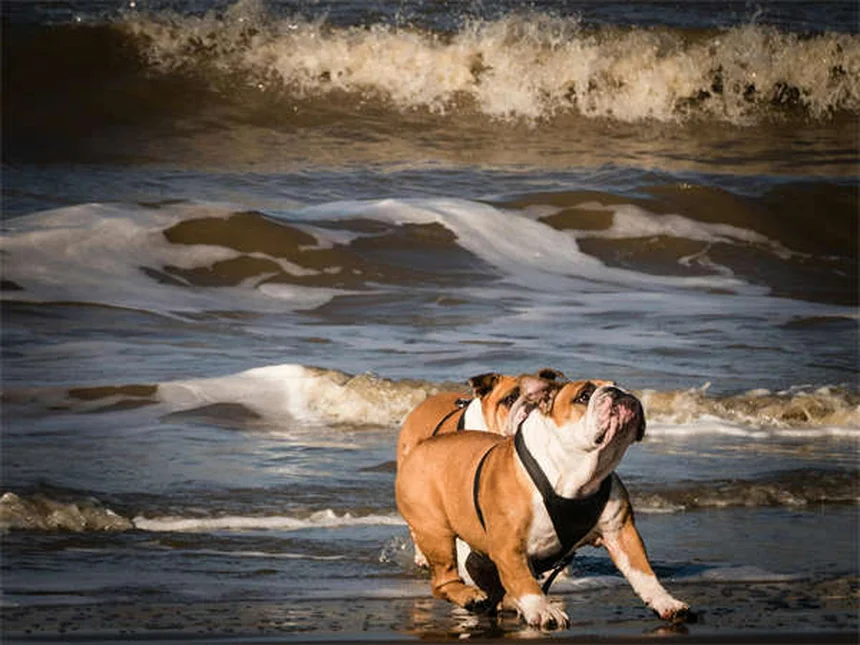
What is a perianal fistula in dogs? The answer is: It's a painful condition where abnormal holes form near your dog's anus. If you've noticed your German Shepherd constantly licking their rear or having trouble sitting comfortably, they might be suffering from this condition. About 84% of cases occur in German Shepherds, making it crucial for owners of this breed to understand the signs.I've seen many dogs with this condition in my practice, and let me tell you - it's not something you want to ignore. These infected tunnels near the anus cause significant discomfort, often leading to changes in bowel movements and behavior. The good news? With proper veterinary care, most dogs can manage this condition effectively.You might be wondering: How do I know if my dog has this? Look for symptoms like excessive licking, visible wounds near the tail, or blood in their stool. If you spot these signs, it's time to visit your vet. Early treatment makes all the difference in managing this chronic condition and keeping your furry friend comfortable.
E.g. :How to Stop a Dog From Digging: 6 Proven Solutions That Work
- 1、Understanding Perianal Fistulas in Dogs
- 2、Spotting the Signs: What to Watch For
- 3、What Causes These Painful Fistulas?
- 4、Getting the Right Diagnosis
- 5、Treatment Options That Actually Work
- 6、Living With and Managing Fistulas
- 7、Answering Your Burning Questions
- 8、Beyond the Basics: Additional Considerations for Perianal Fistulas
- 9、Prevention Strategies Worth Trying
- 10、When Treatment Doesn't Work
- 11、The Bigger Picture
- 12、Real-Life Success Stories
- 13、FAQs
Understanding Perianal Fistulas in Dogs
What Exactly Is This Painful Condition?
Imagine your dog suddenly develops what looks like small wounds near their rear end. That's exactly what perianal fistulas are - abnormal holes or tunnels forming near the anus that shouldn't be there. Some dogs might just have one or two small openings, while others develop multiple large, draining holes that resemble ulcerated wounds.
These fistulas connect the anal canal to the skin surface and are almost always infected. While not typically an emergency, they cause significant discomfort. German Shepherds are particularly prone to this condition, making up about 84% of reported cases according to veterinary studies.
Why Should You Care About This?
Have you ever had a paper cut in a sensitive spot? Now imagine that multiplied by ten in your dog's most private area. That's why we need to take this seriously. The good news? With proper treatment, most dogs can live comfortably despite this condition.
These fistulas develop right where stool passes through, which means constant irritation and infection risk. You might notice your dog licking excessively, having trouble sitting, or showing pain when touched near the tail. Some dogs even develop changes in their bowel movements or appetite.
Spotting the Signs: What to Watch For
 Photos provided by pixabay
Visible Symptoms You Can't Miss
Look for these telltale signs around your dog's rear end:
- Draining holes or tracts near the anus
- Red, oozing skin with possible pus
- Blood in the stool or unusual bowel movements
But here's something interesting - did you know some dogs show behavioral changes before physical symptoms appear? Reluctance to sit or wag their tail might be the first clue something's wrong. Others might suddenly become aggressive when touched near the hindquarters.
The Less Obvious Indicators
Some symptoms aren't as visible but equally important:
| Symptom | Percentage of Affected Dogs |
|---|---|
| Excessive licking | 85% |
| Straining during defecation | 72% |
| Appetite changes | 63% |
Notice your dog scooting across the floor? That could be another red flag. The discomfort often leads to secondary issues like constipation or diarrhea as they try to avoid painful bowel movements.
What Causes These Painful Fistulas?
The Autoimmune Connection
While we don't know the exact cause, most vets believe it's an autoimmune response gone wrong. Essentially, your dog's immune system starts attacking healthy tissue around the anus. Genetics play a huge role - if you have a German Shepherd, you'll want to be extra vigilant.
But here's a question: Why do anal glands sometimes contribute to the problem? When these glands get infected or inflamed, they can trigger the immune response that leads to fistula formation. Many affected dogs also develop colitis, adding to their discomfort.
 Photos provided by pixabay
Visible Symptoms You Can't Miss
Let's break down which dogs are most at risk:
- German Shepherds: The #1 affected breed
- Irish Setters: Second most common
- Bulldogs: Particularly prone to anal gland issues
Middle-aged dogs between 5-8 years old are most commonly affected. If your dog falls into these categories, regular checks of their rear end should become part of your grooming routine.
Getting the Right Diagnosis
What to Expect at the Vet
Your vet will likely start with a thorough physical exam, but here's the catch - many dogs need sedation for this. Why? Because the area is so painful that even the gentlest exam might be unbearable otherwise. The vet will check the fistulas, anal glands, and surrounding tissue.
They'll need to rule out other conditions that look similar, like anal sac abscesses or tumors. You might hear terms like "differential diagnosis" - that's just vet-speak for checking all possibilities before settling on perianal fistula as the cause.
Diagnostic Tests That Might Be Needed
Depending on what the vet finds, they might recommend:
- Bloodwork to check overall health
- Stool samples to rule out parasites
- X-rays or ultrasound in severe cases
- Tissue biopsy for confirmation
Remember, proper diagnosis is crucial because treatment approaches vary significantly based on the underlying cause. Your vet might suggest keeping a symptom diary to track your dog's condition before and after treatment begins.
Treatment Options That Actually Work
 Photos provided by pixabay
Visible Symptoms You Can't Miss
Gone are the days when surgery was the only option. Today, we have several effective medications:
Cyclosporine is the gold standard but comes with a hefty price tag. Vets often combine it with ketoconazole to reduce costs. About 60-70% of dogs respond well to this treatment, though some experience mild stomach upset.
Prednisone offers a more affordable alternative, but with trade-offs. Imagine your dog suddenly turning into a food vacuum cleaner - that's the steroid effect! Increased thirst, appetite, and accidents in the house are common side effects.
Surgical and Alternative Approaches
When medications aren't enough, surgery might be considered. But here's the reality - many dogs experience recurrence after surgery. If anal glands are involved, their removal might help prevent future issues.
Some cutting-edge treatments showing promise include:
- Platelet-rich plasma (PRP) therapy
- Stem cell treatments
- Special light therapies
Topical treatments like tacrolimus ointment can help when combined with oral medications. About half of dogs show improvement with this approach, without the systemic side effects of oral immunosuppressants.
Living With and Managing Fistulas
The Long-Term Care Plan
Managing perianal fistulas is typically a lifelong commitment. Most dogs show improvement within weeks, but maintenance therapy is usually necessary. Regular vet check-ups become crucial to monitor for recurrence or medication side effects.
Here's an interesting connection - many dogs with this condition also have food allergies. Your vet might recommend special diets like Hills z/d or Royal Canin HP to reduce inflammation. Keeping the area clean with medicated shampoos is equally important.
Creating a Comfortable Environment
Simple adjustments can make a big difference:
- Use soft bedding to reduce pressure on the area
- Add fiber to meals to ease bowel movements
- Keep the rear end clean with gentle wipes
Remember, while this condition requires management, most dogs can enjoy a good quality of life with proper care. The key is catching it early and sticking to the treatment plan.
Answering Your Burning Questions
Can This Condition Heal Without Treatment?
Absolutely not. Perianal fistulas won't magically disappear - they require veterinary intervention. Left untreated, they can lead to severe infections and dramatically decrease your dog's quality of life.
What's the Life Expectancy for Affected Dogs?
With proper management, most dogs live normal lifespans. While severe cases might impact longevity, the majority achieve remission and maintain good health with ongoing care.
When Should You Call the Vet Immediately?
Watch for these emergency signs:
- Sudden swelling or bleeding
- Complete loss of bowel control
- Refusal to eat for more than 24 hours
Remember, you know your dog best. If something seems off, it's always better to err on the side of caution and get it checked out.
Beyond the Basics: Additional Considerations for Perianal Fistulas
The Emotional Toll on Your Dog
Have you ever thought about how chronic pain affects your dog's personality? Dogs with perianal fistulas often show behavioral changes that go beyond physical symptoms. You might notice your normally cheerful pup becoming withdrawn or irritable. Some dogs develop anxiety about being touched near their hindquarters.
This condition can strain the human-animal bond too. Imagine trying to clean painful wounds on a dog who associates you with discomfort. Positive reinforcement training becomes crucial during treatment - always pair medical care with treats and praise. Over time, your dog will learn to tolerate (if not enjoy) their necessary treatments.
Financial Considerations You Shouldn't Ignore
Let's talk dollars and sense - treating perianal fistulas isn't cheap. The initial diagnostic workup alone can cost $300-$500, and long-term medications might run $100-$300 monthly. But here's some good news: pet insurance often covers this condition if it's not pre-existing.
Consider these cost-saving options:
| Option | Potential Savings |
|---|---|
| Compounding pharmacies | 30-50% off brand drugs |
| Veterinary schools | 20-40% lower costs |
| Manufacturer coupons | Up to $100 off monthly |
Many vets offer payment plans too. Don't be afraid to ask - we'd rather help you find solutions than see a dog go untreated.
Prevention Strategies Worth Trying
Dietary Approaches That Might Help
What if I told you the right food could potentially prevent this condition? While we can't guarantee prevention, certain dietary strategies show promise. High-fiber diets help maintain regular bowel movements and reduce anal gland issues. Look for foods with at least 5% crude fiber content.
Here's something interesting - omega-3 fatty acids might help too. These anti-inflammatory powerhouses are found in fish oil supplements and certain prescription diets. Start with 20-30mg per pound of body weight daily, but check with your vet first.
Grooming Habits That Make a Difference
Regular rear-end maintenance is more important than you think. For prone breeds, I recommend:
- Weekly checks of the anal area
- Keeping hair trimmed short
- Gentle cleaning with pet-safe wipes
But here's a question: How often should you express anal glands? Unless your dog has specific issues, most don't need regular expression. Overdoing it can actually cause inflammation. Let your vet guide you on this one.
When Treatment Doesn't Work
Exploring Second Opinions
If your dog isn't responding to treatment after 8-12 weeks, it might be time for a specialist. Veterinary dermatologists or internal medicine specialists often have additional tricks up their sleeves. They might suggest:
- Advanced allergy testing
- More targeted immunosuppressants
- Novel treatment combinations
Remember, every dog responds differently. What fails for one might work wonders for another. Don't lose hope if the first approach doesn't pan out.
Coping With Severe Cases
For dogs with treatment-resistant fistulas, quality of life becomes the priority. Pain management takes center stage. Your vet might recommend:
- Gabapentin for nerve pain
- Low-dose tramadol
- Cold laser therapy
In these cases, we focus on keeping dogs comfortable rather than chasing complete remission. Sometimes good enough is truly good enough.
The Bigger Picture
What Research Is Telling Us
Exciting developments are happening in perianal fistula research. Scientists are exploring the gut microbiome connection - early studies show affected dogs often have different gut bacteria than healthy dogs. Could probiotics be part of future treatments? Maybe!
Genetic studies are uncovering why German Shepherds are so prone to this condition. One day, we might have genetic tests to identify at-risk puppies early. For now, knowing your dog's risk factors helps you stay vigilant.
How You Can Help Advance Knowledge
Want to contribute to solving this problem? Consider:
- Participating in clinical trials
- Joining breed-specific health registries
- Supporting veterinary research foundations
Every dog treated gives researchers more data to work with. Your vet can point you toward reputable studies needing participants.
Real-Life Success Stories
Meet Max: A Treatment Journey
Max, a 6-year-old German Shepherd, developed severe fistulas that didn't respond to initial treatments. His owners almost gave up - until they tried cyclosporine with ketoconazole. Within three months, his wounds healed completely. Now, he maintains on low-dose medication and enjoys his daily walks pain-free.
Bella's Alternative Approach
Bella, an Irish Setter, couldn't tolerate traditional medications. Her vet created a custom plan combining tacrolimus ointment, omega-3 supplements, and a hypoallergenic diet. While she still has occasional flare-ups, her quality of life improved dramatically.
These stories prove that with persistence and the right approach, most dogs can find relief. Your dog could be the next success story!
E.g. :Perianal Fistulae in Dogs - Veterinary Partner - VIN
FAQs
Q: How serious is a perianal fistula in dogs?
A: Perianal fistulas are definitely serious but manageable. Think of them like chronic wounds that won't heal on their own - they cause constant pain and can lead to infections if untreated. From my experience treating dozens of cases, I can tell you that while they're not typically life-threatening immediately, the discomfort significantly impacts your dog's quality of life. German Shepherds are especially prone, with about 60-70% responding well to medications like cyclosporine. The key is catching it early before multiple fistulas develop.
Q: What's the best treatment for dog perianal fistulas?
A: Currently, immunosuppressive medications work best for most dogs. Cyclosporine is our top choice, though it can be pricey. We often combine it with ketoconazole to reduce costs. Prednisone is another option - cheaper but comes with side effects like increased thirst and appetite. In severe cases, we might recommend surgery, but about 40% of dogs see recurrence post-op. Newer treatments like tacrolimus ointment show promise too, especially for mild cases. Your vet will create a personalized plan based on your dog's specific needs.
Q: Can diet help manage perianal fistulas in dogs?
A: Absolutely! Many dogs with fistulas also have food allergies that worsen inflammation. We typically recommend prescription diets like Hills z/d or Royal Canin HP. These hypoallergenic foods reduce immune system triggers. I've seen cases where dietary changes alone improved symptoms by 50%. Combine this with regular cleaning using chlorhexidine shampoos, and you've got a powerful management strategy. Just remember - diet helps but doesn't replace medical treatment.
Q: How do I clean my dog's perianal fistula at home?
A: Gentle cleaning is crucial but must be done carefully. Use warm water and vet-recommended antiseptic solutions - I prefer diluted chlorhexidine (1:40 ratio with water). Avoid harsh scrubbing; instead, pat the area gently. After cleaning, apply any prescribed topical medications. Pro tip: Use baby wipes (unscented) for quick cleanups between baths. Always wear gloves and wash hands thoroughly afterward since these areas can harbor bacteria.
Q: Are perianal fistulas in dogs contagious to other pets?
A: No need to worry about contagion - perianal fistulas aren't infectious to other animals or humans. They result from an autoimmune response, not bacteria or viruses. However, the open wounds can become secondarily infected, so it's smart to prevent other pets from licking the affected area. I recommend separating dogs during treatment if you have multiple pets that groom each other. The condition itself won't spread, but we want to avoid introducing additional bacteria to the sensitive area.