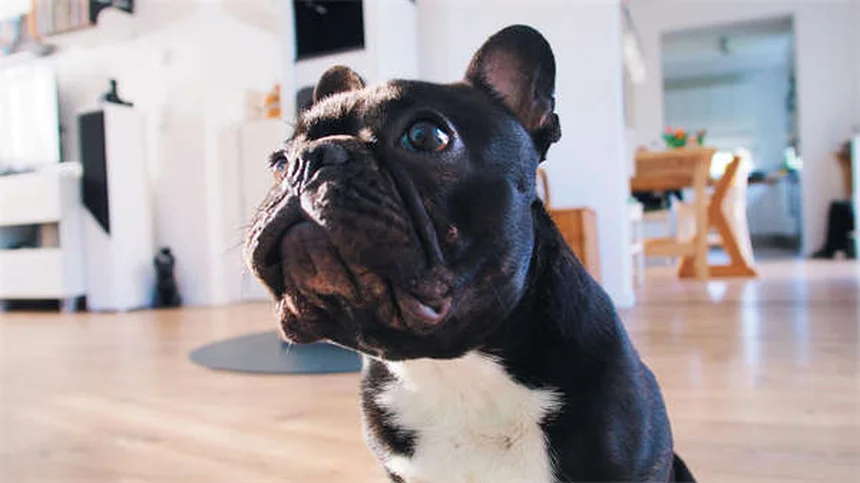
Why is my dog scared of everything? The answer lies in their critical socialization period between 7-14 weeks old. During this time, puppies develop fears that can last a lifetime if not addressed properly. Confidence-building exercises are your secret weapon to help nervous dogs overcome their fears through desensitization and positive reinforcement.I've trained hundreds of fearful dogs, and let me tell you - every dog can improve with the right approach. Whether your pup is scared of strangers, loud noises, or everyday objects, we'll walk through step-by-step techniques that actually work. You'll be amazed how simple exercises can transform your timid dog into a confident companion!The key is understanding that fear responses are learned behaviors - which means they can be unlearned too. We'll use special high-value treats and gradual exposure to help your dog associate previously scary things with positive experiences. Ready to give your furry friend the gift of confidence? Let's dive in!
E.g. :7 Amazing Facts About Your Dog's Superpower Nose
- 1、Understanding Your Dog's Fear
- 2、Building Confidence Through Training
- 3、Putting It Into Practice
- 4、The Emotional Side of Training
- 5、Advanced Techniques
- 6、Beyond Basic Fear Management
- 7、Nutrition's Role in Canine Confidence
- 8、Technology Meets Dog Training
- 9、Building a Support System
- 10、The Bigger Picture
- 11、FAQs
Understanding Your Dog's Fear
Why Puppies Develop Fears
You know that adorable puppy phase between 7-14 weeks? That's when your dog's brain is like a sponge soaking up experiences - both good and bad. This critical socialization period shapes how they'll react to the world as adults. One scary encounter with a vacuum cleaner during this time might turn into a lifelong phobia!
Let me tell you about my neighbor's golden retriever, Max. At 10 weeks old, some kids popped balloons near him during a birthday party. Now at 3 years old, poor Max still trembles at the sound of bubble wrap. That's how powerful these early experiences can be - they literally rewire a puppy's developing brain.
How Fear Manifests in Adult Dogs
Ever seen a dog suddenly freeze or tuck its tail between its legs? That's fear talking. Some dogs develop specific phobias (like Max with balloons), while others become generally timid. The good news? We can help them build confidence through targeted exercises that create new, positive associations.
Here's an interesting comparison of common dog fears and their potential causes:
| Fear Trigger | Possible Cause | Confidence-Building Approach |
|---|---|---|
| Strangers | Lack of socialization | Gradual exposure with treats |
| Thunderstorms | Loud unpredictable noises | Sound desensitization |
| Car Rides | Negative association (vet visits) | Short positive trips |
Building Confidence Through Training
 Photos provided by pixabay
The Magic of Desensitization
Think of desensitization like dipping your toes in a pool before jumping in. We start with the scary thing far enough away that your dog notices it but doesn't panic. For sound-sensitive dogs, we might begin with recordings at whisper volume.
Here's a pro tip: Use extra-special treats only for these exercises. I'm talking about the canine equivalent of filet mignon - something your dog would do backflips for. Keep the pieces tiny so they can eat quickly and stay focused on the training.
Counterconditioning: Rewriting Fearful Responses
Ever wonder why dogs suddenly sit when they're nervous? That's displacement behavior - and we can use it to our advantage! The goal is to replace fear with a positive action like sitting or making eye contact.
Let me walk you through a real-life example: Say your dog fears bicycles. We'd start with a stationary bike at 50 feet away. Each time your dog looks at the bike without reacting fearfully - jackpot! - treat and praise. Gradually decrease the distance over multiple sessions.
Putting It Into Practice
Creating Your Training Plan
First, identify your dog's "freak-out threshold" - that sweet spot where they notice the scary thing but don't panic. For some dogs it's 20 feet, others need a football field's distance. The key is starting below their reaction point.
Here's what a typical session looks like:1. Set up at safe distance2. Ask for simple command (sit/watch me)3. Reward calm behavior4. Gradually decrease distance/increase intensity
Remember my friend's dog who was terrified of skateboards? We started with just the sound of wheels on pavement from inside the house. After two weeks, she could walk past skate parks without flinching!
 Photos provided by pixabay
The Magic of Desensitization
What if your dog is too scared to even start? That's when you might need professional help. A certified behaviorist can assess your dog and create a customized plan. There's no shame in asking for help - I've consulted experts multiple times throughout my dog training journey.
Here's something important many owners overlook: Your energy affects your dog. If you're tense about the training, your dog will pick up on that. Try taking deep breaths and maintaining a cheerful tone. I like to pretend I'm hosting a puppy talk show - silly voices and all!
The Emotional Side of Training
Patience Pays Off
Did you know it takes an average of 66 days to form a new habit? For dogs overcoming deep-seated fears, it might take longer. Celebrate small victories - like the first time your dog notices their trigger without reacting.
I keep a training journal to track progress. Some entries might say "Barked at mailman but stopped when I said 'watch me'" - that's huge! Over time, you'll see patterns emerge showing your hard work is paying off.
Building Trust Through Consistency
Dogs thrive on routine. Try to schedule short sessions (5-10 minutes) at the same times each day. Morning before breakfast and evening before dinner often work well. Consistency builds trust - your dog learns you won't push them too far too fast.
One of my favorite success stories involves a rescue greyhound terrified of hardwood floors. Through daily "paw targeting" exercises (touching different surfaces for treats), he went from trembling to confidently strutting across any floor in three months!
Advanced Techniques
 Photos provided by pixabay
The Magic of Desensitization
Once your dog masters basic exercises, it's time to up the ante. Practice in different locations with mild distractions. Maybe start in your quiet backyard, then move to the front yard with occasional pedestrians.
Here's a fun game I call "Find It": When your dog notices their trigger at a safe distance, toss treats on the ground and say "find it!" This redirects their focus while creating positive associations. Works wonders for noise-phobic dogs during fireworks season!
Incorporating Real-Life Scenarios
The ultimate test? Taking your training on the road. If your dog fears strangers, practice at a park where people pass by at a distance. Keep sessions short and end on a positive note.
Remember that fearful dogs have good days and bad days. If your pup seems extra sensitive one day, scale back the difficulty. Tomorrow's another opportunity to make progress!
Beyond Basic Fear Management
The Science Behind Canine Anxiety
Did you know dogs actually smell fear? When we get nervous, our bodies release stress hormones that dogs can detect. That's why your anxious energy might make training harder - your pup literally smells your apprehension! This biological connection explains why calm owners tend to have calmer dogs.
Recent studies show certain breeds are genetically predisposed to anxiety. For example, herding dogs like Border Collies often develop noise phobias, while nervous system differences make some rescue dogs more reactive. But here's the hopeful part - neuroplasticity means brains can change at any age with proper training!
Environmental Enrichment Strategies
You'd be amazed what difference simple home adjustments can make. For sound-sensitive dogs, I recommend creating "white noise zones" with fans or quiet music. Puzzle feeders engage their brains instead of letting them fixate on fears.
Let me share a cool trick I learned from a zoo trainer: For dogs scared of outdoor noises, we set up a "sound buffet" using nature recordings at low volume during mealtimes. Gradually increasing the volume over weeks helped them associate those sounds with positive experiences. Pretty clever, right?
Nutrition's Role in Canine Confidence
Foods That Support Calmness
Ever notice how you feel after eating junk food versus a balanced meal? Dogs experience similar effects! Omega-3 fatty acids (found in fish oil) actually help regulate stress hormones. I've seen dramatic improvements in anxious dogs after adding these supplements.
Here's a quick comparison of calming food options:
| Food/Supplement | Key Benefit | Recommended Serving |
|---|---|---|
| Salmon Oil | Reduces inflammation | 1 tsp per 30lbs |
| Chamomile Tea | Natural relaxant | 1/4 cup cooled |
| Blueberries | Antioxidant boost | 5-10 berries |
Timing Treats for Maximum Impact
Here's something most owners don't realize - when you feed matters as much as what you feed. Giving calming supplements 30 minutes before predicted stressful events (like thunderstorms or vet visits) works best.
My golden retriever client, Bailey, used to panic during car rides until we started her "car snack routine" - a special kong filled with peanut butter and chamomile-infused treats given 20 minutes before departure. Now she actually gets excited when she sees the car keys!
Technology Meets Dog Training
Innovative Tools for Fearful Dogs
Can apps really help anxious dogs? Absolutely! Sound therapy apps let you customize exposure programs for noise phobias. My current favorite lets you mix sounds - imagine gradually combining thunder recordings with your dog's favorite song!
For separation anxiety, two-way cameras allow you to dispense treats and speak to your dog remotely. One client reduced her dog's destructive chewing from 4 hours to 20 minutes using this tech combined with training. Modern solutions can accelerate progress when used correctly.
The Promise of Wearable Tech
Ever wish you could monitor your dog's stress levels in real time? New biometric vests do exactly that! These devices track heart rate variability (HRV), giving you concrete data about what truly stresses your pup versus what they're learning to tolerate.
Here's an eye-opening case: A rescue pitbull showed no outward signs of stress around children, but his HRV data revealed intense internal anxiety. This allowed us to adjust his training plan before any incidents occurred. Sometimes the most important signals are the ones we can't see.
Building a Support System
Finding Your Training Tribe
Why go it alone when you can learn from others? Local "shy dog" meetups provide safe socialization opportunities. Online communities offer 24/7 support - I've gotten some of my best training tips from midnight Facebook discussions!
One of my favorite success stories involves a support group for storm-phobic dogs. Members shared weather alerts and hosted "storm parties" in soundproof basements. The dogs learned to associate bad weather with playdates and special treats. Now that's turning lemons into lemonade!
When to Call in the Pros
How do you know when it's time for professional help? If your dog's fear causes self-injury, aggression, or complete shutdown, that's your cue. Certified behaviorists have tools most owners don't - like controlled exposure environments and specialized equipment.
Remember my client whose dog was terrified of hardwood floors? After months of slow progress, one session with a behaviorist using vibration plates created the breakthrough we needed. Sometimes fresh eyes see solutions we miss!
The Bigger Picture
How Helping Your Dog Helps You
Here's an unexpected benefit - training anxious dogs often reduces owner stress too! The patience and mindfulness required spill over into other life areas. Many of my clients report better sleep, lower blood pressure, and improved relationships after committing to their dog's training program.
One particularly touching case involved a veteran with PTSD and his rescue dog with severe anxiety. As they trained together, both showed remarkable improvement. The veteran told me, "Teaching him to be brave reminded me how to be brave too."
Celebrating Non-Linear Progress
Ever have those days where training feels like two steps forward, three steps back? That's completely normal! Canine learning isn't linear - think of it more like a stock market graph with an overall upward trend.
I keep a "win jar" where I jot down small victories on slips of paper. On tough days, I pull out a few to remember how far we've come. Last month's favorite: "Today Lola sniffed a skateboard without running away!" Those moments add up to transformation.
E.g. :Tips for building confidence in a fearful dog? : r/Dogtraining
FAQs
Q: What's the best age to start confidence-building exercises?
A: The ideal time to start is during your puppy's critical socialization period (7-14 weeks), but it's never too late to help an adult dog overcome fears. I've successfully worked with senior dogs who developed new confidence through these exercises. The key is starting slow - adult dogs may need more patience as we're rewiring long-established fear responses. Begin with very brief sessions (2-3 minutes) using extra-tasty treats your dog loves. Remember, even small progress is worth celebrating!
Q: How long does it take to see results from fear training?
A: Most dogs show noticeable improvement within 2-4 weeks of consistent daily practice, but complete transformation can take several months for severe cases. Think of it like learning a new language - simple fears (like being wary of umbrellas) might resolve quickly, while deep-rooted phobias (like thunderstorm anxiety) require longer-term work. Keep a training journal to track small victories - maybe today your dog noticed a bicycle from 50 feet without reacting. That's progress!
Q: Can I use regular dog treats for confidence-building?
A: You'll want to use extra-special "jackpot" treats reserved only for fear training sessions. I recommend small pieces of real meat (chicken, steak), cheese, or commercial high-value treats. The more your dog loves the reward, the stronger the positive association we can create with previously scary stimuli. Pro tip: Keep these treats separate from everyday rewards so they maintain their special status. And remember - tiny pieces are best so your dog stays focused on the training rather than chewing.
Q: What if my dog gets too scared during training?
A: This is completely normal! When this happens, immediately stop the exercise and move further away from the scary thing. Next session, start at an easier level - maybe increase the distance or decrease the volume. I always tell my clients: "We want to train under the freak-out threshold." If you're consistently hitting that threshold, consider consulting a certified dog behaviorist who can assess your specific situation. There's no shame in getting professional help - I've done it myself with particularly challenging cases!
Q: How can I tell if my dog is making progress?
A: Look for these positive signs: quicker recovery after being startled, voluntarily approaching previously scary objects, or offering behaviors (like sitting) when they notice their trigger. You might also see your dog checking in with you more often during walks - this shows they're learning to look to you for guidance. Keep in mind progress isn't always linear - some days will feel like setbacks, but the overall trend should be positive. Celebrate every small win along the way!