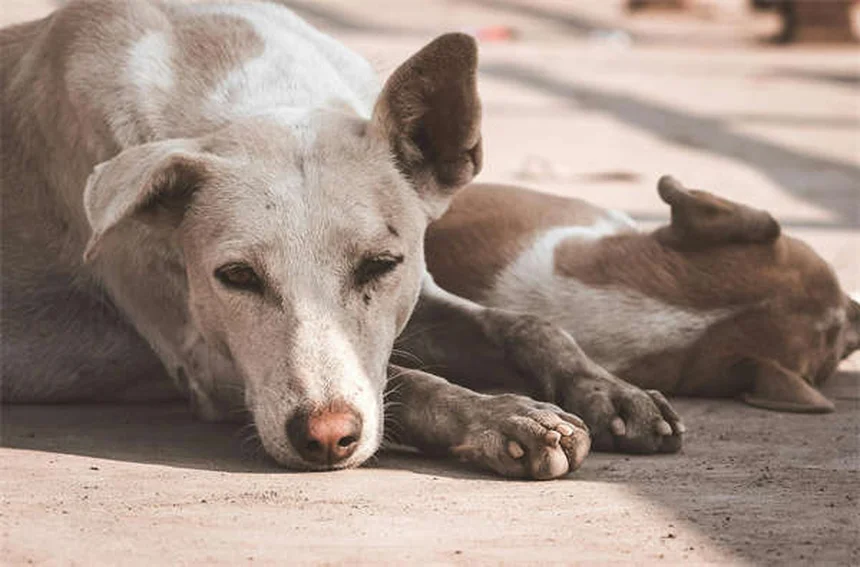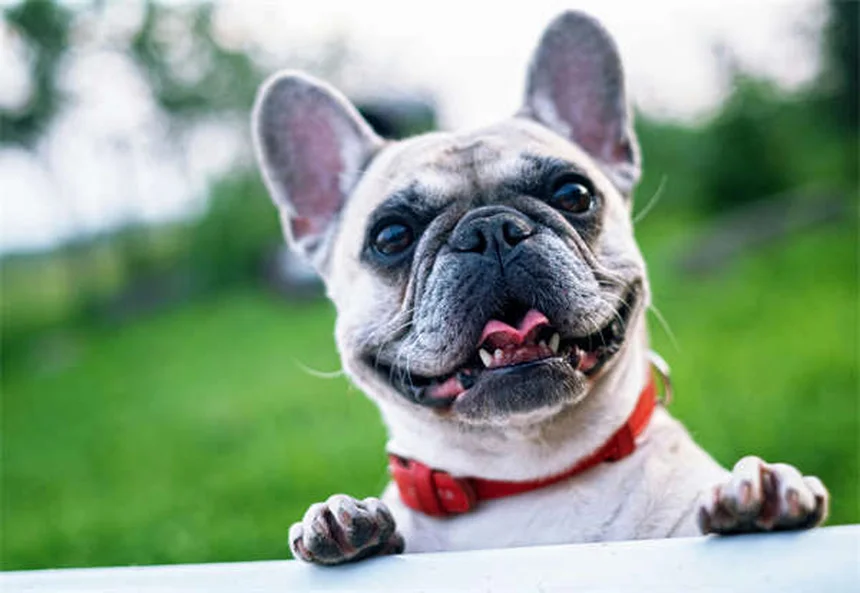
Do small dogs have more health problems? The answer is yes - small breed dogs like French Bulldogs and Boston Terriers face unique health challenges that need special attention. I've worked with hundreds of tiny pups, and let me tell you, their small size means big responsibilities for owners. The good news? Most common small dog health issues are preventable with proper care. From dental disasters to blood sugar crashes, we'll cover everything you need to know to keep your petite pup thriving. Stick with me, and you'll learn how to spot trouble before it starts and give your small dog the healthiest life possible!
E.g. :7 Vet Selection Tips: How to Choose the Best Veterinarian for Your Pet
- 1、Small-Breed Health Problems: Why Tiny Pups Need Extra Care
- 2、Nutrition Needs for Pocket-Sized Pups
- 3、Exercise and Activity Considerations
- 4、Grooming and Skin Care Essentials
- 5、Preventive Care That Makes a Difference
- 6、The Hidden Costs of Small Dog Ownership
- 7、Behavioral Quirks of Small Breeds
- 8、Traveling With Your Petite Pup
- 9、Senior Care for Aging Small Dogs
- 10、Finding the Right Veterinarian
- 11、FAQs
Small-Breed Health Problems: Why Tiny Pups Need Extra Care
Big Health Concerns in Small Packages
You know what's adorable? A tiny French Bulldog trying to carry a stick twice its size. But here's the thing - small dogs like Boston Terriers, Pekingese, and Lhasa Apsos might be cute, but they come with some big health challenges. I've seen too many owners surprised when their petite pup develops issues they never expected.
Let me break it down for you: small breed dogs have faster metabolisms, more delicate bone structures, and often different nutritional needs than their larger cousins. That's why feeding them regular dog food just doesn't cut it - they need specially formulated diets. Ever notice how your Chihuahua seems to vibrate with energy? That's their turbo-charged metabolism at work!
The Top 5 Health Issues You Should Watch For
Dental Problems - Did you know 85% of small dogs over age 3 have periodontal disease? Their tiny mouths mean teeth are crowded, creating perfect conditions for plaque buildup. My neighbor's Yorkie needed $1,200 in dental work last year - ouch!
Here's a quick comparison of common small vs. large breed health issues:
| Health Issue | Small Breeds | Large Breeds |
|---|---|---|
| Dental Problems | 85% affected | 35% affected |
| Luxating Patella | Very common | Rare |
| Hypoglycemia | Frequent issue | Almost never |
But wait - why do small dogs have so many knee problems? Great question! Their shallow knee grooves and active lifestyles make them prone to luxating patellas (that's when the kneecap slips out of place). I once saw a Pomeranian do a handstand when his knee popped - funny until you realize it hurts!
Nutrition Needs for Pocket-Sized Pups
 Photos provided by pixabay
Special Diets for Special Dogs
You wouldn't feed a race car regular gasoline, right? Small breeds need high-quality, nutrient-dense food to fuel their fast metabolisms. Look for kibble specifically sized for tiny jaws - those big chunks in regular food? They're like trying to eat a whole pizza in one bite!
Here's what I recommend for optimal small dog nutrition:
- Small-bite kibble (helps with dental health too!)
- Higher protein content (30% or more)
- Frequent small meals (prevents hypoglycemia)
The Blood Sugar Rollercoaster
Ever seen a small dog get wobbly or even collapse? That's often hypoglycemia - low blood sugar. Their tiny bodies burn through energy so fast that missing a meal can be dangerous. Keep some honey or sugar water handy for emergencies.
Did you know a teacup Chihuahua can develop hypoglycemia in just 4 hours without food? That's why I always tell owners - set phone reminders for feeding times! Better safe than sorry when it comes to these little guys.
Exercise and Activity Considerations
Short Legs, Big Energy
Here's something funny - small dogs often think they're giant. My sister's Dachshund regularly tries to take on Great Danes at the dog park! But their small stature means we need to be careful about exercise.
For most small breeds:
- 20-30 minutes of walking daily is perfect
- Avoid jumping from heights (bye-bye furniture diving!)
- Mental stimulation is just as important as physical
 Photos provided by pixabay
Special Diets for Special Dogs
Small dogs lose body heat fast. In winter, they might need sweaters (yes, really!). In summer, pavement can burn their paws in seconds. I always do the "back of hand test" - if you can't hold your hand on pavement for 5 seconds, it's too hot for paws.
Grooming and Skin Care Essentials
More Than Just Looking Pretty
Many small breeds have sensitive skin under all that fluff. Regular grooming prevents mats that can pull on skin and cause irritation. Pro tip: use a soft brush and go slowly - these little guys can be ticklish!
Common small breed skin issues include:
- Allergies (often food-related)
- Dry skin (especially in winter)
- Hot spots (from excessive licking)
Those Delicate Eyes Need Attention
Bulldogs, Pugs, and other flat-faced breeds often get eye discharge that needs daily cleaning. Use a soft, damp cloth - no harsh chemicals! I learned this the hard way when my friend's Shih Tzu got shampoo in its eyes - not a happy pup!
Preventive Care That Makes a Difference
 Photos provided by pixabay
Special Diets for Special Dogs
Small dogs age faster than large breeds - that yearly checkup is like us going every 4-5 years! Dental cleanings, blood work, and weight checks can catch problems early. Trust me, prevention is cheaper than treatment.
Here's a sobering fact: 80% of small dogs show signs of dental disease by age 2. But with regular care, we can keep those pearly whites healthy for years!
The Power of Pet Insurance
I never used to believe in pet insurance... until my Pomeranian needed $3,000 knee surgery. Now I tell everyone - for small breeds especially, insurance can be a lifesaver. Look for plans that cover hereditary conditions common in your breed.
Remember, caring for a small dog isn't harder - just different. With the right knowledge and preparation, you'll have a happy, healthy companion for years to come. Now go give your little buddy some love (and maybe a dental chew)!
The Hidden Costs of Small Dog Ownership
Budgeting for Your Tiny Companion
Think small dogs mean small expenses? Think again! While they eat less food, their veterinary bills can stack up quickly. I remember when my neighbor's Maltese needed emergency care after swallowing a sock - that $2,500 bill still gives me chills!
Here's the reality: small dogs often require more frequent vet visits than larger breeds. Their delicate systems mean minor issues can become serious fast. That "cheap" $500 puppy might cost you $5,000 in healthcare during its first two years. But don't panic - smart planning makes all the difference.
Comparing Annual Costs
Let's look at some numbers that might surprise you:
| Expense Category | Small Breeds | Large Breeds |
|---|---|---|
| Food (annual) | $200-$400 | $600-$900 |
| Dental Cleanings | Every 6-12 months | Every 1-2 years |
| Common Surgeries | More frequent but smaller scale | Less frequent but more expensive |
Why do small dogs need more dental care? Excellent question! Their crowded teeth create perfect traps for food particles and plaque. I've seen dogs the size of a coffee mug with more dental issues than a Great Dane!
Behavioral Quirks of Small Breeds
Napoleon Complex is Real
Ever noticed how small dogs often act tough? There's science behind that attitude! Small breeds frequently develop what we call "small dog syndrome" - overcompensating for their size with big behaviors. My aunt's Jack Russell once tried to herd a group of German Shepherds - hilarious but not exactly effective!
Here's how to manage these big personalities:
- Consistent training from puppyhood
- Socialization with dogs of all sizes
- Plenty of mental stimulation
The Barking Conundrum
Small dogs tend to be more vocal - it's their way of saying "Hey, I'm here too!" While some barking is normal, excessive noise can strain relationships with neighbors. I solved this with my Chihuahua mix by teaching the "quiet" command using high-value treats.
Traveling With Your Petite Pup
Air Travel Considerations
Many airlines allow small dogs in-cabin - a huge advantage over larger breeds! But those carrier requirements can be tricky. I learned this the hard way when my Shih Tzu's carrier was half an inch too tall at check-in. Pro tip: measure twice, book once!
Essential travel items for small dogs:
- TSA-approved carrier
- Collapsible water bowl
- Recent health certificate
Road Trip Ready
Small dogs make great road trip companions, but they need special consideration. Their tiny bladders mean more frequent potty breaks - plan for stops every 2-3 hours. And never let them ride loose in the car! A secured carrier or dog seatbelt is crucial for safety.
Senior Care for Aging Small Dogs
The Longevity Factor
Here's some good news - small dogs often live longer than large breeds! But with those extra years comes more age-related health concerns. My 14-year-old Pomeranian developed arthritis that required daily medication and special ramps around the house.
Common senior small dog issues include:
- Dental disease progression
- Vision/hearing loss
- Cognitive decline
Quality of Life Adjustments
As small dogs age, simple changes can make a big difference. Raised food bowls help with neck strain, orthopedic beds support aging joints, and night lights help navigate in dim conditions. I installed small pet stairs by my bed for my senior Yorkie - best $40 I ever spent!
Finding the Right Veterinarian
Small Dog Specialists
Not all vets have equal experience with tiny patients. When my Dachshund needed surgery, I sought out a vet who regularly works with small breeds - the difference in care was noticeable! They understood the unique anesthesia risks and recovery needs.
Questions to ask potential vets:
- What percentage of your patients are small breeds?
- Do you have specialized equipment for tiny dogs?
- How do you handle dental procedures?
Emergency Preparedness
Small dogs can go from fine to critical frighteningly fast. Know your nearest 24-hour emergency clinic before you need it. I keep a pet first aid kit with small dog-specific items like pediatric syringes and tiny muzzle (yes, even sweet dogs bite when scared!).
Remember, while small dogs require special attention, the joy they bring is immeasurable. Their larger-than-life personalities make every extra care step worthwhile. Now who's ready for some lap cuddles with their petite pal?
E.g. :The impact of size on the health of small dog breeds | Royal Canin ...
FAQs
Q: Why do small dogs have so many dental problems?
A: Small dogs develop dental issues because their tiny mouths crowd teeth together, creating perfect conditions for plaque buildup. We see about 85% of small breed dogs with periodontal disease by age 3 - that's more than double the rate of larger dogs! The solution? Start dental care early with small-breed toothpaste and finger brushes. I recommend daily brushing and dental chews specifically sized for petite jaws. Trust me, spending 2 minutes daily on teeth can save you thousands in vet bills later!
Q: What's the best food for small breed dogs?
A: The best food for small dogs is high-protein (30%+), small-bite kibble formulated specifically for petite pups. We need to remember these little guys have faster metabolisms - they burn calories like race cars! Look for foods with named meat sources (chicken, beef) as first ingredients. I tell my clients to avoid "one size fits all" dog foods - those big kibble pieces are like asking you to eat a whole steak in one bite! Feed small meals 3-4 times daily to prevent dangerous blood sugar drops too.
Q: How often should small dogs see the vet?
A: Small dogs should visit the vet at least twice yearly for checkups - remember, their shorter lifespans mean time passes faster for them! We recommend more frequent visits because tiny breeds show health changes quickly. Don't wait until your Chihuahua stops eating to call - by then, hypoglycemia may have already set in. Pro tip: schedule visits when vaccines are due to save time. I've saved countless small dogs by catching problems during routine exams that owners didn't even notice yet!
Q: Are small dogs fragile with exercise?
A: While small dogs aren't exactly fragile, we do need to adjust exercise for their size. Their tiny legs work much harder than big dogs' during walks - imagine running double the steps! Keep walks to 20-30 minutes and avoid high-impact activities like jumping off furniture (yes, even if your Dachshund thinks they're Superman). Mental exercise matters too - try puzzle toys to tire out their big brains without straining little bodies. Remember, a tired small dog is a happy small dog!
Q: Is pet insurance worth it for small breeds?
A: Absolutely - pet insurance is especially valuable for small dogs! We see way more claims for luxating patellas, dental work, and hypoglycemia in tiny breeds. A single knee surgery can cost $3,000+, while dental cleanings run $400+ annually. Look for plans covering hereditary conditions common in your breed. I learned this lesson the hard way when my Pomeranian needed emergency care - now I recommend insurance to all small dog owners. Think of it as peace of mind for your pocket-sized pal!