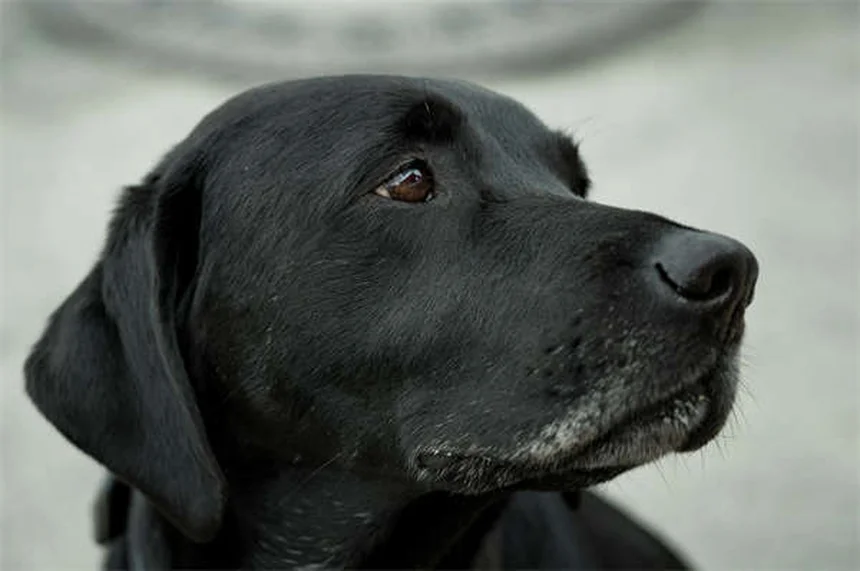
What's the best way to stop your dog from pulling on walks? The answer is simple: a properly fitted no-pull dog harness combined with positive reinforcement training. I've helped countless frustrated dog owners transform their daily walks from stressful tug-of-wars to enjoyable bonding time. These harnesses work by redirecting your dog's pulling energy, protecting their neck and your arms while teaching better leash manners. Whether you've got a tiny terrier or a massive mastiff, I'll show you how to find the perfect no-pull solution that actually works for your furry friend.
E.g. :Rabbit Urinary Incontinence: Causes, Symptoms & Treatment (Vet-Approved)
- 1、Why Every Dog Owner Needs a No-Pull Harness
- 2、Management vs. Training: The Smart Approach
- 3、Finding Your Dog's Perfect Harness Match
- 4、The Fitting Process: Step by Step
- 5、Making the Transition Smooth
- 6、Beyond the Basics: Pro Tips
- 7、The Science Behind No-Pull Harnesses
- 8、Real-Life Success Stories
- 9、Common Myths Debunked
- 10、Seasonal Considerations
- 11、The Cost Factor: Investing Wisely
- 12、Special Cases and Solutions
- 13、FAQs
Why Every Dog Owner Needs a No-Pull Harness
Let me tell you, watching your dog transform from a wild sled-puller to a calm walking companion is pure magic. I've seen it happen dozens of times with my clients' dogs. The right no-pull harness doesn't just make walks easier - it completely changes your relationship with your dog.
The Pulling Problem: More Than Just Annoying
You know that feeling when your arm feels like it's about to pop out of its socket? Yeah, we've all been there. But did you know constant pulling can actually hurt your dog too? Neck injuries, trachea damage, even spine issues - these are real risks with regular collars.
Here's the thing - dogs pull because it works. They want to get somewhere, they pull, and they move forward. It's simple cause and effect. A no-pull harness breaks this cycle by redirecting their momentum, making pulling ineffective while keeping them comfortable.
Management vs. Training: The Smart Approach
Quick Fixes vs. Long-Term Solutions
Think of a no-pull harness like training wheels on a bike. They help immediately, but they're not the end goal. Will a harness stop pulling today? Absolutely. Will your dog learn not to pull without it? Probably not.
That's why I always recommend combining harness use with positive reinforcement training. Here's a simple comparison:
| Approach | Pros | Cons |
|---|---|---|
| Harness Only | Immediate results, no training required | Dog may still try to pull when harness is off |
| Training Only | Long-term behavior change | Takes weeks/months of consistent work |
| Combination | Best of both worlds | Requires some initial effort |
 Photos provided by pixabay
Making Training Work With Your Harness
Here's my favorite trick: Use the harness to prevent pulling while you train. When your dog walks nicely, reward with treats and praise. When they start to pull, the harness gently redirects them. This creates a clear "right way" to walk without any punishment.
Ever wonder why some dogs seem to "get it" faster than others? It's all about consistency. The more you reinforce good behavior while the harness prevents bad habits, the quicker your dog learns.
Finding Your Dog's Perfect Harness Match
Size Matters More Than You Think
I once worked with a Great Dane owner who bought a "large" harness - turns out her puppy needed an XXL! Manufacturer sizes vary wildly, so always check the specific measurements.
Here's what you need to measure:
- Girth: Around the widest part of the ribcage
- Neck: Where a collar normally sits
- Chest width: Across the front of the chest
Pro tip: Use a soft measuring tape, or mark a string and measure it against a ruler. And measure your dog while they're standing normally - no cheating!
Style Options for Different Needs
Not all no-pull harnesses work the same way. Some redirect from the front, others provide gentle pressure points. Here's the breakdown:
Front-clip harnesses (like the Easy Walk) are great for most dogs. When your dog pulls, it gently turns them toward you. Simple and effective.
Head halters work like a horse halter, giving you more control over direction. These take some getting used to but can be great for strong pullers.
Pressure-point harnesses use gentle squeezing when the dog pulls. These are often the best choice for giant breeds or extreme pullers.
The Fitting Process: Step by Step
 Photos provided by pixabay
Making Training Work With Your Harness
First time putting on a harness? Make it fun! I always start by letting dogs sniff the harness while giving treats. This creates positive associations.
For step-in harnesses, place treats on the ground to keep your dog still. For over-the-head styles, hold a treat through the neck opening to encourage cooperation.
Adjusting for Perfect Comfort
Here's where most people go wrong - they don't adjust properly. You should be able to fit two fingers under any strap. Too loose and it won't work; too tight and it's uncomfortable.
Check these key areas:
- Underarms (no rubbing!)
- Chest (shouldn't restrict breathing)
- Back (should lie flat without twisting)
Remember: A well-fitted harness means happy walks for both of you. Take the time to get it right!
Making the Transition Smooth
First Walks With the New Harness
Don't expect perfection on day one. Start with short, positive sessions in familiar areas. Bring high-value treats and be patient.
When your dog walks nicely, reward frequently. If they pull, let the harness do its job - no yelling or jerking needed. The harness is the teacher here.
 Photos provided by pixabay
Making Training Work With Your Harness
Some dogs freeze or scratch at first. This is normal! Try these solutions:
- For freezing: Use extra tasty treats to encourage movement
- For scratching: Check fit and consider a different style
- For refusal to walk: Practice indoors first with lots of rewards
Within a few days, most dogs adjust beautifully. The key is making every experience positive.
Beyond the Basics: Pro Tips
Maintenance and Care
Want your harness to last? Follow these simple steps:
- Check straps weekly for wear
- Hand wash when dirty (machine washing can damage structure)
- Store flat to prevent twisting
When to Upgrade
As your dog grows or their behavior changes, you might need a different harness. Signs it's time for a change:
- Difficulty adjusting straps
- Visible wear or damage
- Behavior changes (more/less pulling)
Remember: The right harness makes all the difference. Invest in quality and your dog (and your arms) will thank you!
The Science Behind No-Pull Harnesses
How Dogs Actually Learn From Harnesses
Ever wonder why no-pull harnesses work so well? It's all about canine psychology. Dogs learn through immediate consequences - when pulling suddenly becomes ineffective, they quickly adapt their behavior.
Traditional collars actually reinforce pulling because the pressure comes from behind, which instinctively makes dogs pull harder (it's called opposition reflex). A front-clip harness turns this instinct upside down - now pulling toward something makes them turn back toward you. It's like magic, but it's really just smart design working with dog nature.
The Comfort Factor You Might Not Consider
Here's something most owners don't realize - a good no-pull harness should feel like a comforting hug to your dog, not a restraint. The best designs distribute pressure evenly across the chest and shoulders.
Think about it this way: Would you rather wear a tight necklace that chokes you when you move, or a well-fitted backpack that moves with you? That's the difference between collars and quality harnesses for your pup.
Real-Life Success Stories
From Neighborhood Menace to Walking Pro
I'll never forget Max, the 90-pound Labrador who used to drag his owner down the street. After switching to a front-clip harness and two weeks of consistent training, they were strolling calmly past squirrels without any pulling. The transformation was incredible - and the owner's shoulder finally healed!
What made the difference? The harness gave Max's owner the control needed to actually train him, rather than just surviving walks. They could finally focus on rewarding good behavior instead of constantly correcting bad behavior.
The Tiny Dog That Could (Finally Walk Nicely)
Small dogs get a bad rap for pulling, but little Bella the Chihuahua proved size doesn't matter. Her harness stopped her from the dangerous "t-rex arms" jumping she used to do on walks. Now she trots proudly beside her owner instead of dangling from the leash.
Here's the funny part - Bella's owner thought harnesses were only for big dogs. But the right small-dog harness made all the difference in preventing injuries to her delicate trachea while giving her the freedom to explore safely.
Common Myths Debunked
"Harnesses Make Dogs Pull More"
This is the biggest misconception I hear! Regular back-clip harnesses can encourage pulling, but no-pull harnesses are specifically designed to do the opposite. The physics are completely different - front attachment points change the whole game.
Think about sled dogs - they wear special harnesses designed for pulling. No-pull harnesses are basically the anti-sled-dog design, redirecting that forward energy instead of channeling it.
"My Dog Will Never Get Used to It"
I get this concern a lot, especially from owners of older dogs. But here's the truth: Dogs adapt to harnesses much faster than you'd expect. Most adjust within 3-5 days, especially when you make it positive with treats and praise.
Remember how weird winter coats feel the first time you wear them each year? That's similar to how a harness feels to your dog initially. But just like you forget you're wearing the coat after a while, your dog will soon forget about the harness too.
Seasonal Considerations
Summer Walking Solutions
Hot weather brings special challenges - you want a harness that's breathable but still effective. Look for mesh designs with wide straps that don't trap heat against your dog's body.
Pro tip: Check for rubbing spots more often in summer when dogs sweat. A little pet-safe lubricant on strap areas can prevent chafing on those extra-long summer walks.
Winter Harness Hacks
Snowy walks mean you'll want a harness that fits comfortably over your dog's winter coat. Measure while they're wearing their usual winter gear, and look for adjustable designs that can accommodate different layers.
Here's a clever trick: Use reflective harnesses or add reflective strips to make those dark winter walks safer. Some harnesses even have pockets for LED lights - perfect for early morning or evening walks in winter.
The Cost Factor: Investing Wisely
Why Cheap Harnesses Often Cost More
That $15 harness might seem like a bargain, but poor-quality materials can wear out quickly or even break when you need them most. I've seen too many "bargain" harnesses fail at critical moments.
Think of it this way: You wouldn't buy a $5 pair of shoes and expect them to last for years of daily use. Your dog's harness gets similar wear and tear - investing in quality means safety and savings in the long run.
Features Worth Paying For
When comparing harnesses, these premium features actually make a difference:
| Feature | Budget Option | Premium Option |
|---|---|---|
| Padding | Thin foam | Memory foam with breathable cover |
| Adjustment Points | 2-3 | 5-6 for perfect fit |
| Materials | Basic nylon | Reinforced aerospace-grade webbing |
Notice how the premium options focus on comfort and durability? That's what actually matters for daily use. The extra $20-30 can mean years of comfortable walks instead of frequent replacements.
Special Cases and Solutions
Harnesses for Rescue Dogs
Many rescue dogs have leash anxiety or bad past experiences. For these pups, I recommend a slow introduction - let them wear the harness indoors for short periods with lots of treats before ever attaching a leash.
The key is making the harness predict good things. Try putting it on right before meals or playtime. Soon your rescue will wag their tail when they see the harness coming!
Senior Dog Considerations
Older dogs often need special harness designs with extra support. Look for handles on top to help them over curbs or into cars. Wider chest plates can distribute pressure better for arthritic pups.
Did you know some harnesses are specifically designed for dogs with mobility issues? These often have belly support straps that let you gently assist your senior dog without straining their back or joints.
E.g. :Best no-pull harness? : r/Dogtraining
FAQs
Q: How does a no-pull harness actually stop my dog from pulling?
A: Here's the inside scoop from my 10 years of dog training experience: No-pull harnesses work through clever engineering rather than force. Most attach the leash at the chest (not the back), so when your dog pulls, their own momentum turns them sideways - making pulling ineffective. Others use gentle pressure points that discourage pulling without discomfort. The beauty is that your dog learns pulling doesn't get them anywhere, while you avoid yanking on their sensitive neck. I always tell my clients, it's like having a built-in trainer that works 24/7!
Q: Can I use a no-pull harness on my puppy?
A: Absolutely! In fact, starting puppies with a no-pull harness is one of my top training tips. Puppies don't know any better than to pull - it's natural instinct. A properly sized harness protects their developing neck and joints while teaching proper leash manners from day one. Look for adjustable harnesses that can grow with your pup, and always pair it with positive reinforcement training. I've seen puppies as young as 10 weeks learn perfect loose-leash walking using this combo approach.
Q: How do I measure my dog for the right harness size?
A: Let me walk you through the foolproof measuring method I teach all my clients: First, grab a soft tape measure (or string and ruler). Measure the girth - around the widest part of the ribcage behind the front legs. Then measure the neck where a collar would sit. For some harnesses, you'll also need the chest width across the front. Pro tip: Measure while your dog is standing naturally, and always check the specific brand's sizing chart - "large" means very different things across manufacturers!
Q: Will my dog still pull when we're not using the harness?
A: Here's the honest truth from my professional experience: A harness alone won't teach your dog not to pull. It's an amazing management tool that makes walks bearable while you train, but for lasting results, you need to combine it with positive reinforcement training. Think of it like training wheels on a bike - helpful at first, but the goal is to ride without them. I recommend using the harness to prevent pulling while rewarding loose-leash walking. Over time, your dog will learn that walking politely gets them what they want!
Q: How do I get my dog comfortable wearing a harness?
A: As someone who's introduced hundreds of dogs to harnesses, here's my proven method: Start by letting your dog sniff the harness while giving treats. For step-in styles, place treats on the ground to keep them still. For over-the-head types, hold a treat through the neck opening. Go slow - first just drape it on, then fasten loosely, gradually tightening over several sessions. Always pair with high-value treats and praise. Most dogs adjust within a week if you make it positive. Remember: patience and chicken bits solve most training challenges!