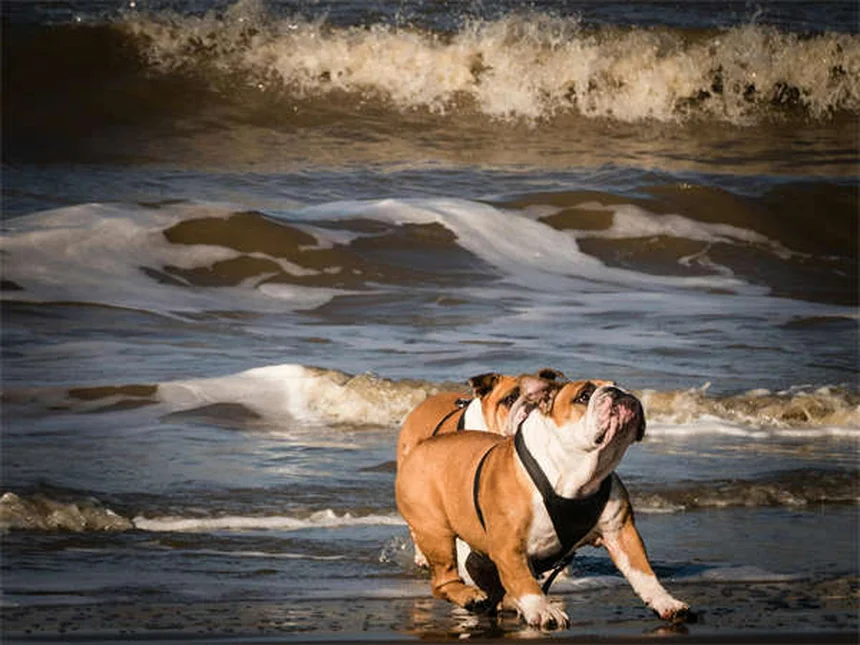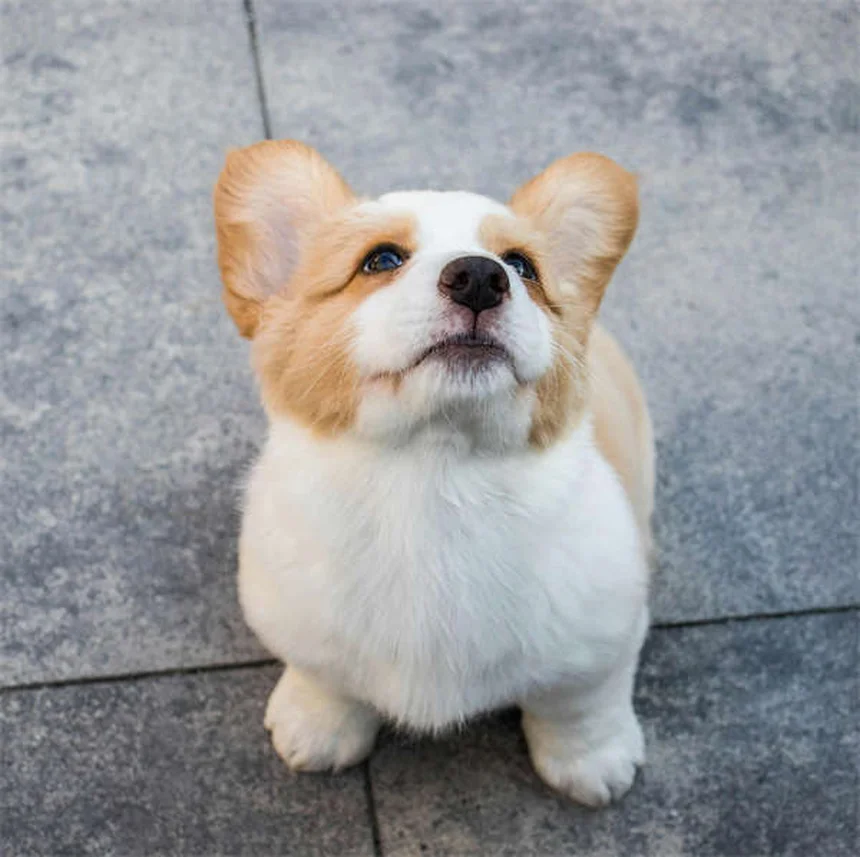
Ever wonder why your dog's nose is always so busy? The answer is simple: your pup's nose is basically a biological supercomputer that puts our human sniffers to shame! Dogs can detect smells 100,000 times better than we can - that's like comparing a candle to a spotlight when it comes to scent detection.I've been studying canine senses for years, and let me tell you - your dog's olfactory abilities will blow your mind. Their noses contain up to 300 million scent receptors (we've got just 6 million), and the part of their brain that processes smells is 40 times larger than ours. That wet nose isn't just cute - it's an evolutionary masterpiece that helps your dog navigate the world in ways we can barely imagine!
E.g. :Why Is My Dog Drinking So Much Water? 7 Possible Causes & When to Worry
- 1、Your Dog's Nose: A Superpower You Never Knew About
- 2、The Secret Weapons in Your Dog's Scent Arsenal
- 3、Mind-Blowing Dog Nose Capabilities
- 4、Just How Powerful Is That Canine Sniffer?
- 5、Fun Facts to Impress Your Friends
- 6、Putting It All Together
- 7、The Science Behind Your Dog's Super Sniffer
- 8、Practical Applications of Dog Noses
- 9、Training Your Dog's Nose
- 10、Common Nose Problems to Watch For
- 11、Fascinating Dog Nose Trivia
- 12、FAQs
Your Dog's Nose: A Superpower You Never Knew About
Let me tell you something amazing - your dog's nose is basically a biological supercomputer. While we humans walk around barely noticing smells, your pup is experiencing the world in high-definition scent-o-vision!
The Incredible Hardware Behind That Wet Nose
Dr. Michael T. Nappier from Virginia Maryland College of Veterinary Medicine explains that dogs have some serious hardware upgrades in their sniffers:
- 300 million olfactory receptors (we've got a measly 6 million)
- A scent-processing brain area 40 times larger than ours
Think of it like comparing a flip phone to the latest smartphone - both can make calls, but one is clearly more advanced!
How Dogs Breathe and Smell Simultaneously
Here's something wild - your dog's nose has separate air channels for breathing and smelling. It's like having two noses in one!
When your dog sniffs, air circulates in a continuous loop, allowing them to breathe in and out at the same time. Meanwhile, we humans have to choose between breathing in OR out - how inconvenient is that?
The Secret Weapons in Your Dog's Scent Arsenal
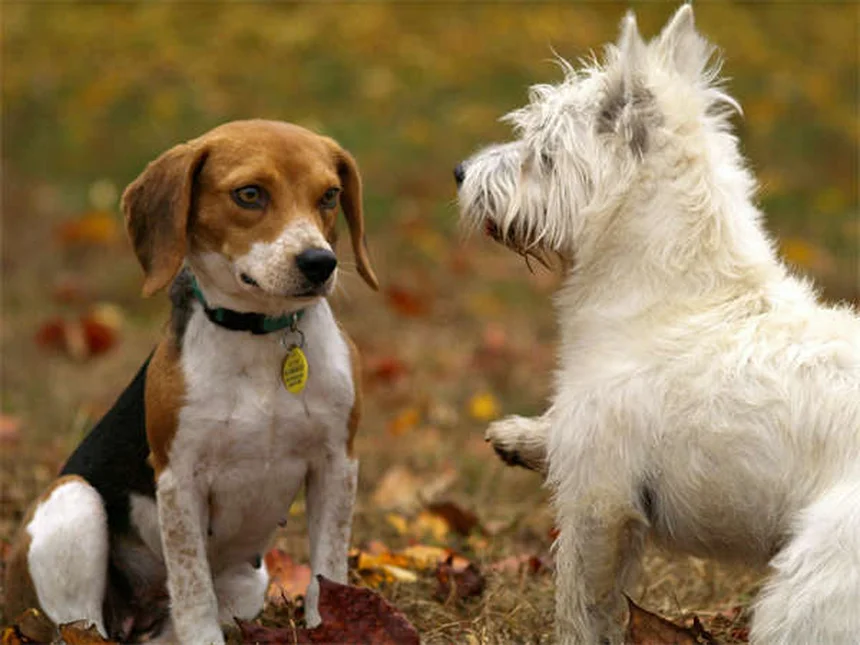 Photos provided by pixabay
The Vomeronasal Organ: Nature's Pheromone Detector
Dogs have a special organ called the vomeronasal organ that detects pheromones. This is like having a built-in mood ring that reads other animals' emotions and intentions!
Ever wonder why dogs sniff each other's butts? They're basically reading each other's biological business cards through this amazing organ.
3D Smelling: The Ultimate Navigation System
Your dog's nostrils work independently, creating a three-dimensional scent map of their environment. It's like having GPS for smells!
Here's how it compares to human smelling:
| Feature | Dogs | Humans |
|---|---|---|
| Nostril Independence | Yes | No |
| Scent Localization | Pinpoint accuracy | General direction |
Mind-Blowing Dog Nose Capabilities
Smelling Time Itself
Did you know dogs can actually smell the passage of time? As scent molecules fade, your dog can tell how long ago something happened. This is why tracking dogs can follow trails so effectively!
Imagine being able to smell that your owner left the house 37 minutes ago - that's your dog's reality every day!
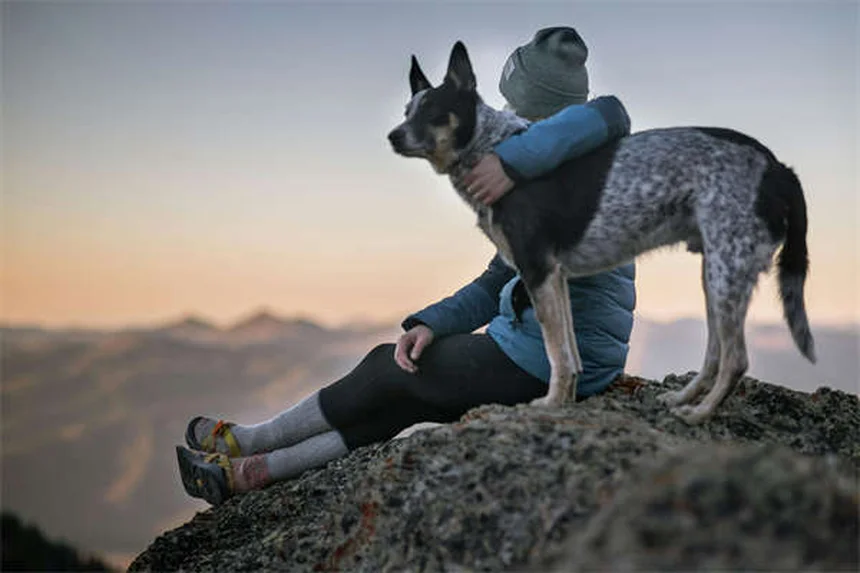 Photos provided by pixabay
The Vomeronasal Organ: Nature's Pheromone Detector
Dr. David Dorman explains that a dog's nose has been crucial for survival throughout evolution. From finding mates to avoiding predators, that wet nose is literally a life-saver.
Think about this: Would you rather have super strength or a super nose? For dogs, the choice was clear - they went with the sniffing superpowers!
Just How Powerful Is That Canine Sniffer?
The Olympic Pool Test
Dr. Nappier puts it in perspective: A dog could detect half a teaspoon of sugar in an Olympic-sized swimming pool. That's like finding one specific grain of sand on an entire beach!
Here's another way to think about it - while you're struggling to smell dinner cooking in the next room, your dog could smell it from three blocks away.
Breed Differences in Smelling Ability
All dogs have great noses, but some breeds are the Michael Jordans of smelling:
- Hound breeds - The scent specialists
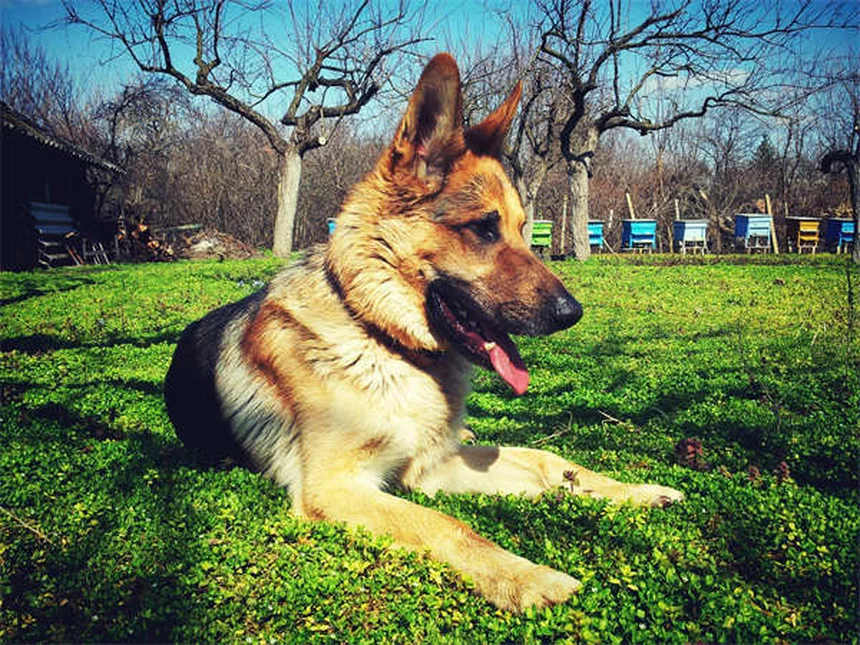
- German Shepherds & Labradors - The working class sniffers
- Pugs - Great at smelling, but their short faces can cause some limitations
So next time your dog is sniffing something you can't detect, remember - they're basically walking around with the world's most advanced scent technology built right into their face!
Fun Facts to Impress Your Friends
 Photos provided by pixabay
The Vomeronasal Organ: Nature's Pheromone Detector
That adorable wet nose actually helps trap scent molecules, making their smelling ability even better. It's like having built-in scent glue!
The Nose Print Identification
Did you know every dog's nose print is as unique as a human fingerprint? Some countries even use nose prints for dog identification.
Who needs DNA testing when you've got nose prints? This is one case where technology still can't beat nature's design!
Putting It All Together
After learning all this, doesn't it make you look at your dog's nose differently? That simple wet snout is actually one of nature's most sophisticated sensory organs.
Next time your dog stops to sniff something for what seems like forever, be patient - they're basically reading an entire novel in scent form!
The Science Behind Your Dog's Super Sniffer
How Dogs Process Smells Differently Than Humans
You know how when you walk into a bakery, you might smell "bread"? Your dog smells the exact type of flour, the yeast strain, and could probably tell you when each loaf came out of the oven! Their brains dedicate 40% more space to analyzing smells compared to ours.
Here's a crazy example - when you open a can of dog food, you just smell "dog food." But your pup can detect each individual ingredient, possibly even identifying which farm the chicken came from. That's why they get so excited about certain brands - they're basically gourmet food critics with wet noses!
The Evolutionary Advantages of Canine Olfaction
Ever wonder why stray dogs survive so well? Their noses give them a massive advantage in the wild. While we'd struggle to find clean water, dogs can literally smell water sources underground. Some can detect water up to 40 feet below the surface!
Think about this - when you take your dog for a walk and they sniff every tree, they're not just being nosy. They're reading the neighborhood news! That tree tells them which dogs passed by, their health status, even their mood. It's like scrolling through Facebook, but with their nose.
Practical Applications of Dog Noses
Medical Detection Dogs Saving Lives
Did you know some dogs can smell cancer before doctors can detect it? There are dogs trained to identify specific cancer types with over 90% accuracy. Their noses are so precise they can detect a single cancerous cell among billions of healthy ones.
Here's an amazing case - a woman's dog kept sniffing at her breast. She got checked and discovered early-stage breast cancer. That dog's nose literally saved her life! Now researchers are studying how we can replicate this ability in medical technology.
Search and Rescue Heroes
After natural disasters, search dogs can find survivors under 30 feet of rubble. How? They detect human scent molecules that rise through tiny cracks in the debris. One search dog can cover an area that would take 20 humans with equipment hours to search.
Remember 9/11? Search dogs worked tirelessly to find survivors. Their dedication was so strong that handlers had to hide in rubble to give the dogs "finds" because the dogs became depressed when they kept finding bodies instead of survivors.
Training Your Dog's Nose
Fun Nose Work Games to Try at Home
You can turn your living room into a scent playground! Hide treats in muffin tins covered with tennis balls. Start with obvious hides, then make it harder. This mental exercise tires dogs out faster than physical exercise!
Here's a simple game - take three identical cups, hide a treat under one, shuffle them, and let your dog find it. As they improve, use more cups or add distractions. It's like canine shell game, and they'll love showing off their natural talent!
Professional Scent Work Training
If your dog really enjoys nose games, consider AKC scent work classes. These teach dogs to identify specific odors like birch, anise, and clove. Any breed can participate - even tiny Chihuahuas often outperform bigger dogs!
I've seen a Dachshund beat German Shepherds in a scent competition. Why? Because scenting isn't about size - it's about determination and focus. Your couch potato pup might have championship potential you never knew about!
Common Nose Problems to Watch For
When That Super Sniffer Isn't Working Right
Dogs can get nosebleeds, sunburn on their noses (especially light-colored dogs), and even lose their sense of smell. If your dog suddenly stops sniffing their food, it's time for a vet visit. That's like us losing our sense of taste - a big red flag!
Fun fact - dogs with flatter faces (like Bulldogs) often have weaker senses of smell because their nasal passages are compressed. But they make up for it with extra determination - and usually louder snoring!
Seasonal Allergy Issues
Just like us, dogs can suffer from seasonal allergies that affect their noses. You might notice excessive sneezing or pawing at their face. Did you know some dogs develop "allergy shiners" - dark circles under their eyes from congestion?
Here's a comparison of common nasal issues:
| Symptom | Possible Cause | When to Worry |
|---|---|---|
| Dry, cracked nose | Weather changes | If bleeding occurs |
| Runny nose | Allergies or excitement | Discolored discharge |
Fascinating Dog Nose Trivia
Why Dogs Lick Their Noses
That constant nose-licking isn't just about keeping it wet. Dogs lick to "taste" smells! Their tongue transfers scent particles to special receptors on the roof of their mouth. It's like having a second nose in their mouth!
Next time you see your dog licking the air, they're probably detecting something interesting you can't perceive. Maybe the neighbor's grilling burgers three houses down!
The Temperature Detection Trick
Your dog's nose can detect temperature changes of less than 1/10th of a degree. This helps them track warm-blooded prey. That's why hunting dogs can follow trails hours after the animal passed by!
Isn't it amazing how much science is packed into that cute, wet nose? From medical detection to finding your lost keys, your dog's sniffer is truly nature's most sophisticated scent machine!
E.g. :8 Dog Nose Facts You Probably Didn't Know | PetMD
FAQs
Q: How do dogs breathe and smell at the same time?
A: Here's something wild about your dog's nose - it has separate air channels for breathing and smelling! Unlike us humans who have to choose between breathing in or out, dogs can do both simultaneously thanks to their unique nasal structure. When your pup sniffs, air circulates in a continuous loop, allowing scent molecules to stay in contact with their scent receptors longer. This is why dogs can detect smells we'd never notice - their noses are basically high-efficiency scent machines that never stop working!
Q: What's the vomeronasal organ in dogs?
A: The vomeronasal organ is your dog's secret pheromone detector that gives them a whole second sense of smell! Located in the roof of their mouth, this special organ detects chemical signals called pheromones that animals use to communicate. When your dog sniffs another dog's rear end (we know it looks weird), they're actually reading important biological information through this organ. It's like having a built-in mood ring that tells them about other animals' emotions, health status, and even reproductive availability!
Q: Can dogs really smell in 3D?
A: Absolutely! Your dog's nostrils work independently of each other, creating what we call "3D smelling." Just like our eyes give us depth perception, your dog's separate nostrils allow their brain to triangulate scent sources with pinpoint accuracy. This is why search-and-rescue dogs can locate people in disaster zones - they're essentially creating a scent map of their environment. While we humans might smell "food somewhere in the kitchen," your dog knows exactly which cabinet the treats are in and how fresh they are!
Q: How do tracking dogs follow scent trails?
A: Tracking dogs have an incredible ability to smell the passage of time through scent molecules! As odors fade at different rates, your dog can detect these tiny changes to determine which direction a person or animal traveled. Think of it like reading footprints in the sand, but with smells instead. Their noses are so sensitive that they can follow trails days old, and distinguish between identical twins by scent alone. That's why bloodhounds can track missing persons through crowded cities - they're basically walking forensic laboratories!
Q: Which dog breeds have the best sense of smell?
A: While all dogs have excellent sniffers, hound breeds like Bloodhounds and Basset Hounds are the undisputed scent champions. Working dogs like German Shepherds and Labradors also rank high, thanks to generations of breeding for detection work. Interestingly, short-faced breeds (brachycephalic dogs) like Pugs may have slightly reduced smelling ability due to their compressed airways. But don't worry - even the "worst" canine sniffer is still thousands of times better than our human noses! The next time your dog alerts to something you can't smell, remember - you're living with a four-legged scent genius!